The Plumber’s Role in Safe and Proper Wastewater Management

The Plumber’s Role in Safe and Proper Wastewater Management
When we flush the toilet, run the dishwasher, or take a shower, few of us stop to think about where that water goes next. Yet behind every home, business, and public facility lies a complex network of pipes, drains, and treatment systems that must function flawlessly to protect both public health and the environment. At the heart of this system stands the plumber. Without their expertise, our communities would quickly face serious issues with contamination, flooding, and sanitation.
What Does a Plumber Actually Do?
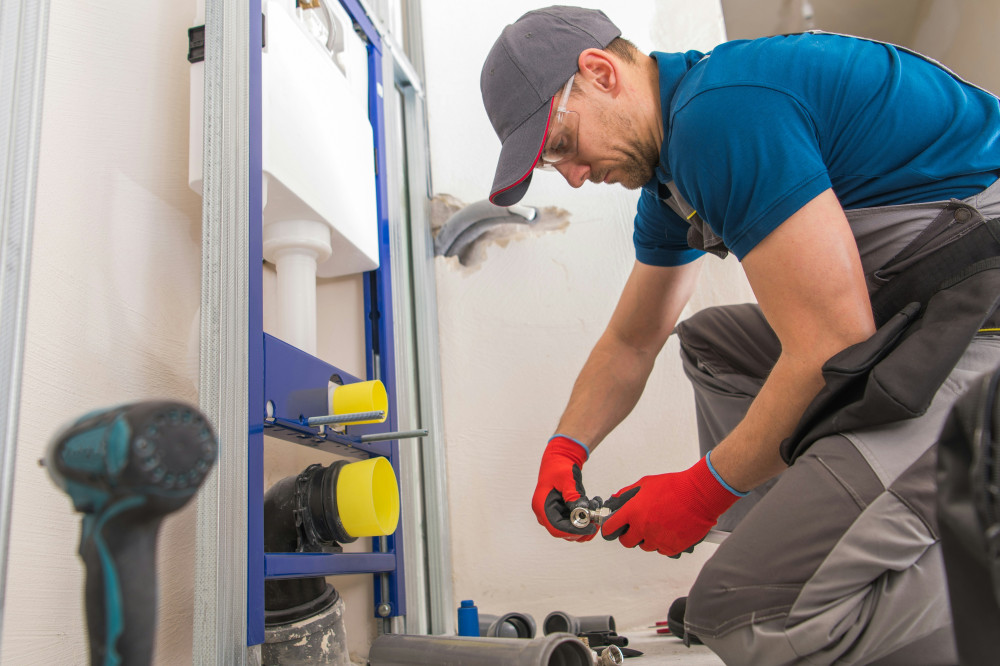
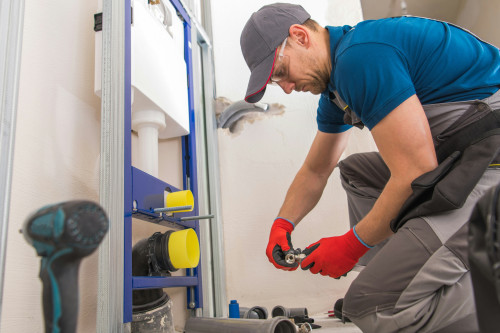
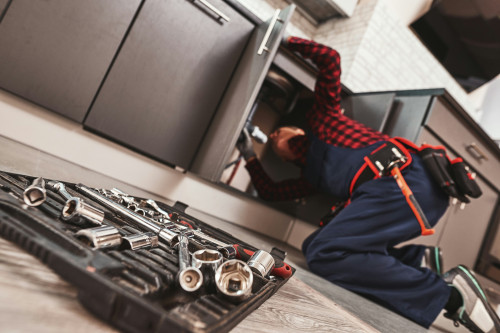
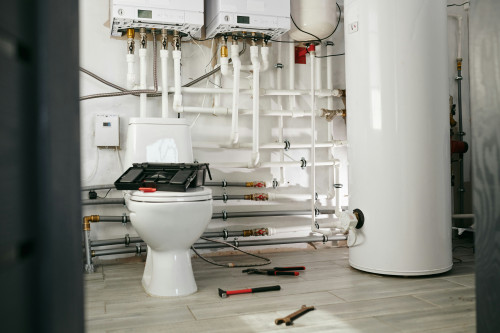
A licensed plumber is a skilled professional who installs, repairs, and maintains water supply and wastewater systems. Their work covers everything from residential plumbing and septic systems to large-scale commercial and municipal infrastructure. Whether connecting a home to a city sewer line or ensuring a septic tank functions properly, plumbers make sure wastewater is safely carried away and treated according to local and federal regulations.
In the United States, plumbing work must comply with building codes and environmental standards that vary by state and municipality. Plumbers must understand these codes, as well as the local soil conditions, groundwater levels, and rainfall patterns that affect how wastewater systems perform.
Safety and Environmental Protection
Proper plumbing is not just about convenience—it’s about safety. Faulty wastewater systems can lead to contamination of drinking water, structural damage to buildings, and the spread of harmful bacteria and viruses. That’s why many types of plumbing and sewer work can only be performed by licensed professionals who are trained to meet strict safety and environmental standards.
Plumbers play a key role in preventing pollution by ensuring that wastewater is directed to treatment facilities or properly managed on-site. They also help design systems that handle stormwater responsibly, reducing the risk of sewer overflows during heavy rain and protecting local waterways from contamination.
Prevention Over Repair
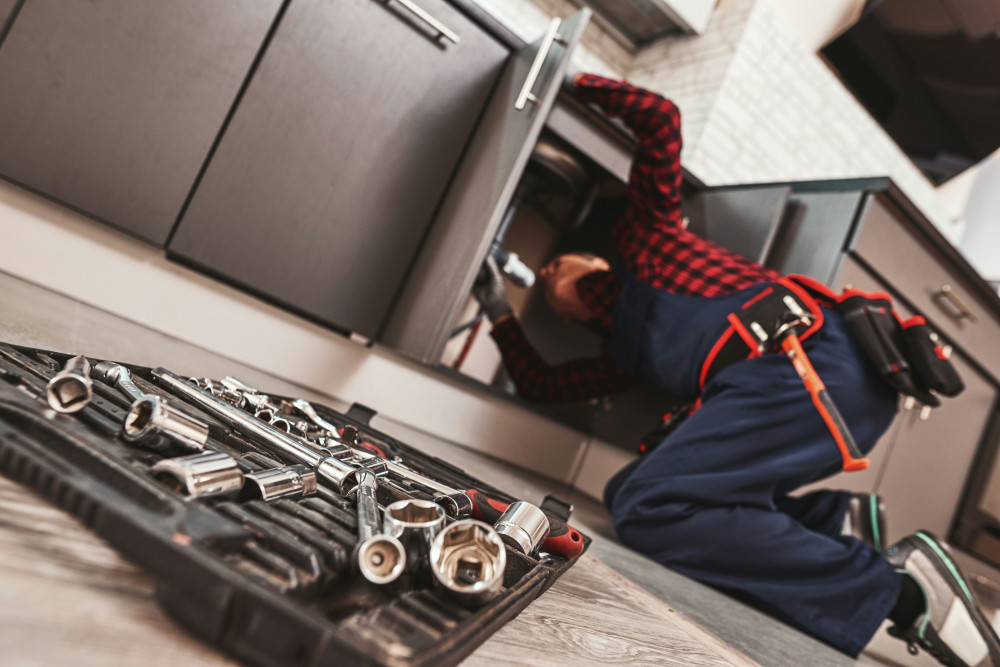
Much of a plumber’s work focuses on preventing problems before they occur. Regular inspection and maintenance of pipes, drains, and septic systems can save homeowners and businesses from costly repairs and environmental damage. Modern tools such as video pipe inspection allow plumbers to detect cracks, blockages, or root intrusion early—before they turn into major issues.
Plumbers can also recommend upgrades that make systems more resilient, such as backflow preventers that stop wastewater from backing up into homes during floods, or separate drainage systems for stormwater and sewage to reduce strain on municipal infrastructure.
Læs også:
The Plumber as an Advisor
Beyond hands-on work, plumbers often serve as advisors to homeowners, builders, and property managers. They provide guidance on system design, material selection, and compliance with local codes. In new construction or renovation projects, a plumber’s input can ensure that wastewater systems are both efficient and environmentally responsible.
Sustainability is becoming an increasingly important part of plumbing. Many U.S. communities encourage or require on-site stormwater management through solutions like rain gardens, permeable pavements, or green roofs. Plumbers and plumbing contractors are essential in implementing these systems, helping property owners reduce runoff and support local ecosystems.
An Essential Part of Modern Infrastructure
Although plumbing work often goes unnoticed, it is one of the most vital services in our society. A well-functioning wastewater system protects public health, prevents flooding, and ensures that our homes and cities operate smoothly—even as climate change brings new challenges.
The plumber is not just a tradesperson but a guardian of public health and environmental safety. Their work may take place out of sight, beneath our floors and streets, but its impact is felt everywhere—in the cleanliness of our water, the safety of our homes, and the sustainability of our communities.
Læs også: