Materials in Sewer Pipes – Their Durability and Maintenance

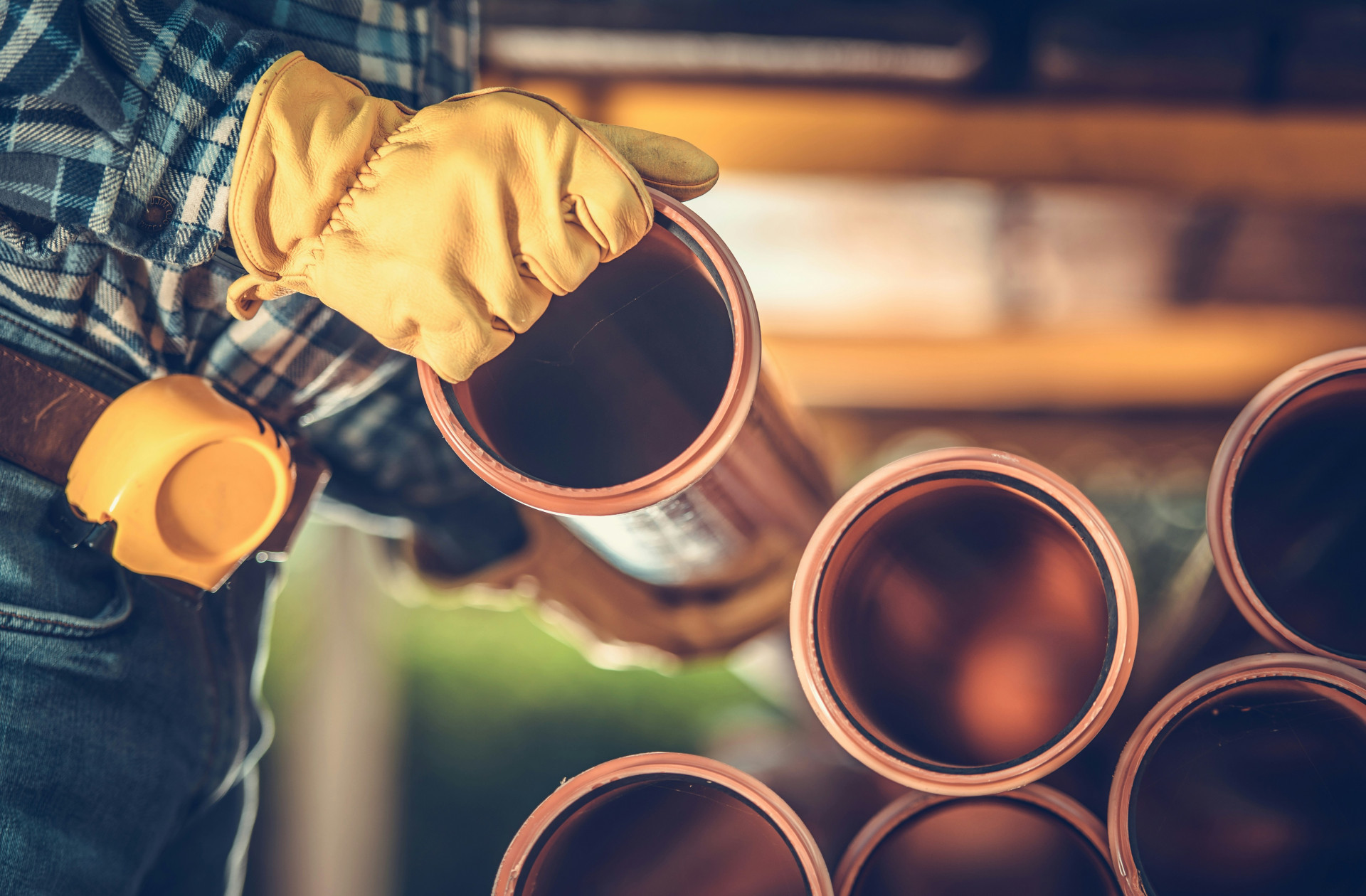
Materials in Sewer Pipes – Their Durability and Maintenance
Sewer pipes are one of the most essential yet overlooked parts of a home’s infrastructure. They ensure that wastewater is safely carried away and that the system functions smoothly for decades. But not all sewer pipes are created equal—the material they’re made from has a major impact on durability, maintenance needs, and lifespan. This article looks at the most common materials used in sewer pipes in the United States, their advantages and drawbacks, and how to keep them in good condition.
The Most Common Materials in Sewer Pipes
PVC – The Modern Standard
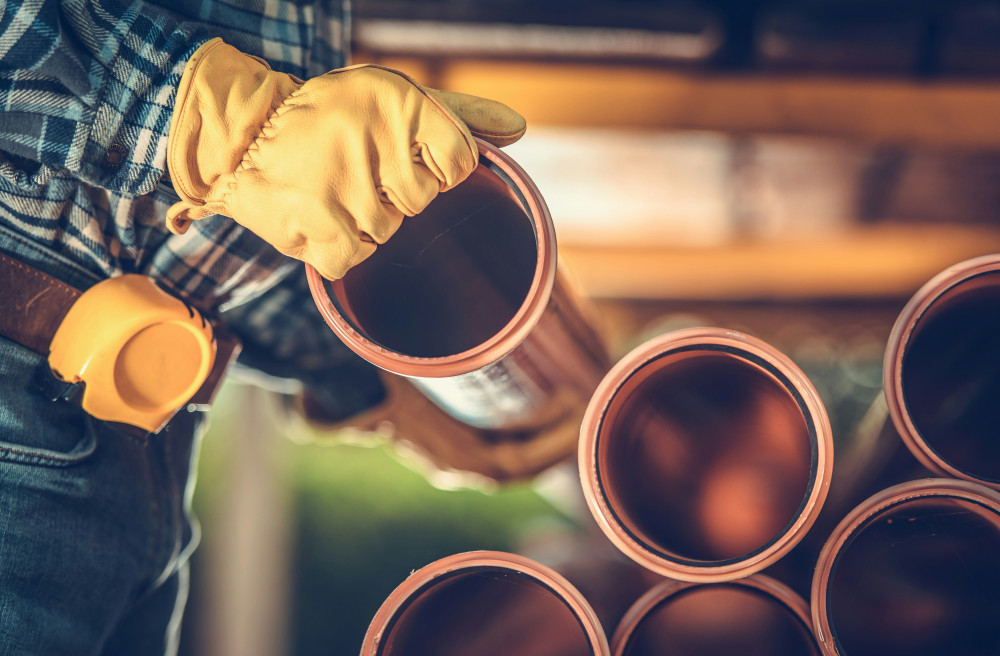
PVC (polyvinyl chloride) is the most widely used material for residential sewer lines in the U.S. It’s lightweight, affordable, and easy to install, making it a popular choice for both new construction and replacement projects. PVC pipes resist corrosion and most household chemicals, and their smooth interior surface helps prevent clogs.
Durability: 50–100 years, depending on soil conditions and installation quality. Maintenance: Minimal—avoid pouring grease or oil down drains, as buildup can still occur over time.
Clay – Traditional and Long-Lasting
Vitrified clay pipes have been used for over a century and are still found in many older American cities. They are highly resistant to chemical corrosion and can last for decades. However, clay is brittle and prone to cracking or root intrusion if joints are not properly sealed.
Durability: 50–100 years, though root damage can shorten lifespan. Maintenance: Regular inspection for cracks and root infiltration is recommended.
Cast Iron – Strong and Quiet
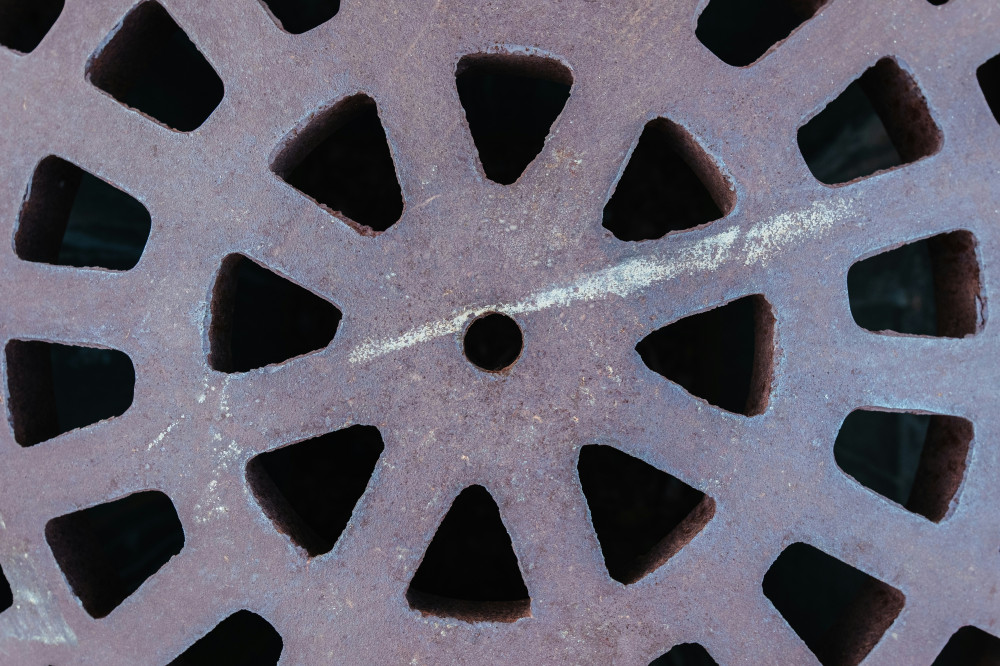
Cast iron pipes were once the standard in mid-20th-century homes. They are extremely durable and provide excellent sound insulation, reducing noise from flowing water. However, cast iron can corrode over time, especially in humid or coastal environments.
Durability: 50–80 years. Maintenance: Periodic inspection for rust, corrosion, and scaling inside the pipe.
HDPE (High-Density Polyethylene) – Flexible and Leak-Resistant
HDPE is a modern alternative increasingly used in both residential and municipal systems. It’s flexible, resistant to chemicals, and can be heat-fused into continuous lengths without joints, minimizing the risk of leaks. It’s especially useful in areas with shifting soil or seismic activity.
Durability: 100 years or more. Maintenance: Very low—proper installation is key to prevent deformation.
Concrete – Heavy-Duty for Large Systems
Reinforced concrete pipes are common in municipal and industrial sewer systems. They can handle high loads and large volumes of wastewater. However, they are heavy, expensive to install, and can deteriorate if exposed to acidic conditions.
Durability: 70–100 years, depending on environmental exposure. Maintenance: Periodic inspection for cracks, leaks, and chemical erosion.
What Affects a Sewer Pipe’s Lifespan?
Even the best materials can fail if installation or maintenance is poor. Factors such as soil movement, tree roots, freeze-thaw cycles, and chemical exposure can all shorten a pipe’s life. Proper grading, tight joints, and correct bedding are essential for long-term performance.
Homeowners should consider a video inspection every 10–15 years, especially in older homes. Early detection of cracks, corrosion, or blockages can prevent costly repairs later.
Læs også:
Maintenance and Prevention
While sewer pipes are designed to operate quietly in the background, a few simple habits can help extend their life:
- Avoid pouring grease, oil, or food scraps down the drain. These can solidify and cause blockages.
- Use only approved cleaning products. Harsh chemicals can damage certain pipe materials.
- Watch for warning signs. Slow drains, foul odors, or damp spots in the yard may indicate leaks.
- Schedule professional cleaning when needed. Hydro-jetting or mechanical cleaning can remove buildup and prevent clogs.
If your home is several decades old, a professional inspection can reveal whether your pipes are nearing the end of their service life.
When to Replace Sewer Pipes
Replacement becomes necessary when pipes are cracked, leaking, or structurally compromised. In many cases, trenchless repair methods—such as pipe lining or pipe bursting—can restore function without extensive digging. However, if the damage is severe, full replacement may be the best long-term solution.
A licensed plumber or sewer specialist can assess the condition of your system and recommend the most cost-effective and durable repair method.
A System Worth Caring For
Though hidden underground, sewer pipes play a vital role in protecting your home’s health and value. By understanding the materials they’re made from and following good maintenance practices, you can extend their lifespan and avoid unpleasant surprises. A well-maintained sewer system isn’t just a technical necessity—it’s an investment in your home’s comfort, safety, and long-term reliability.
Læs også: