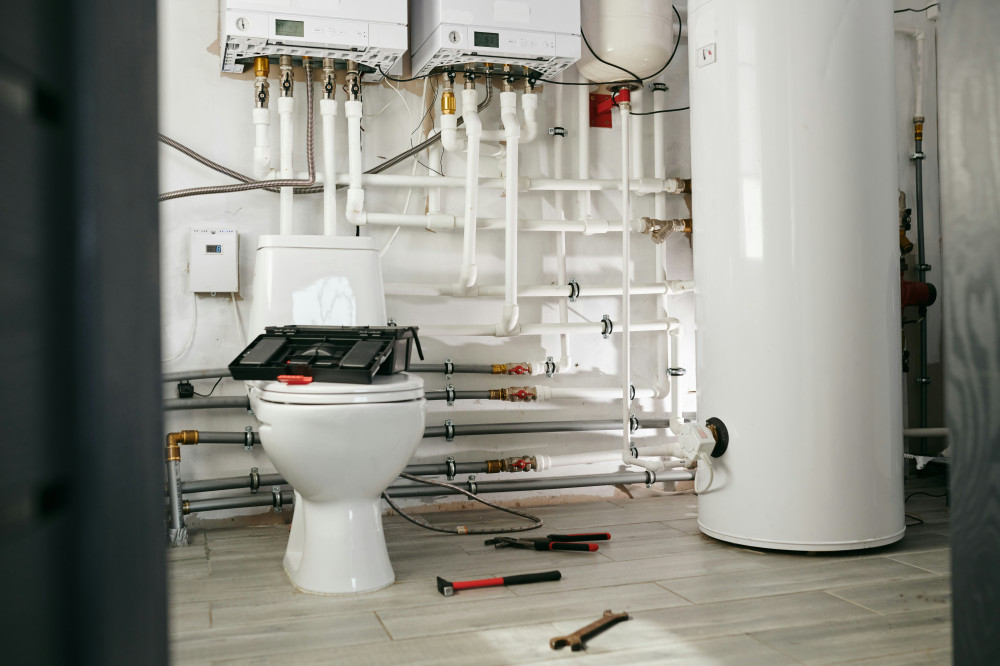
Proper Sewer Work for Home Additions – How to Make Sure Everything Is Up to Code

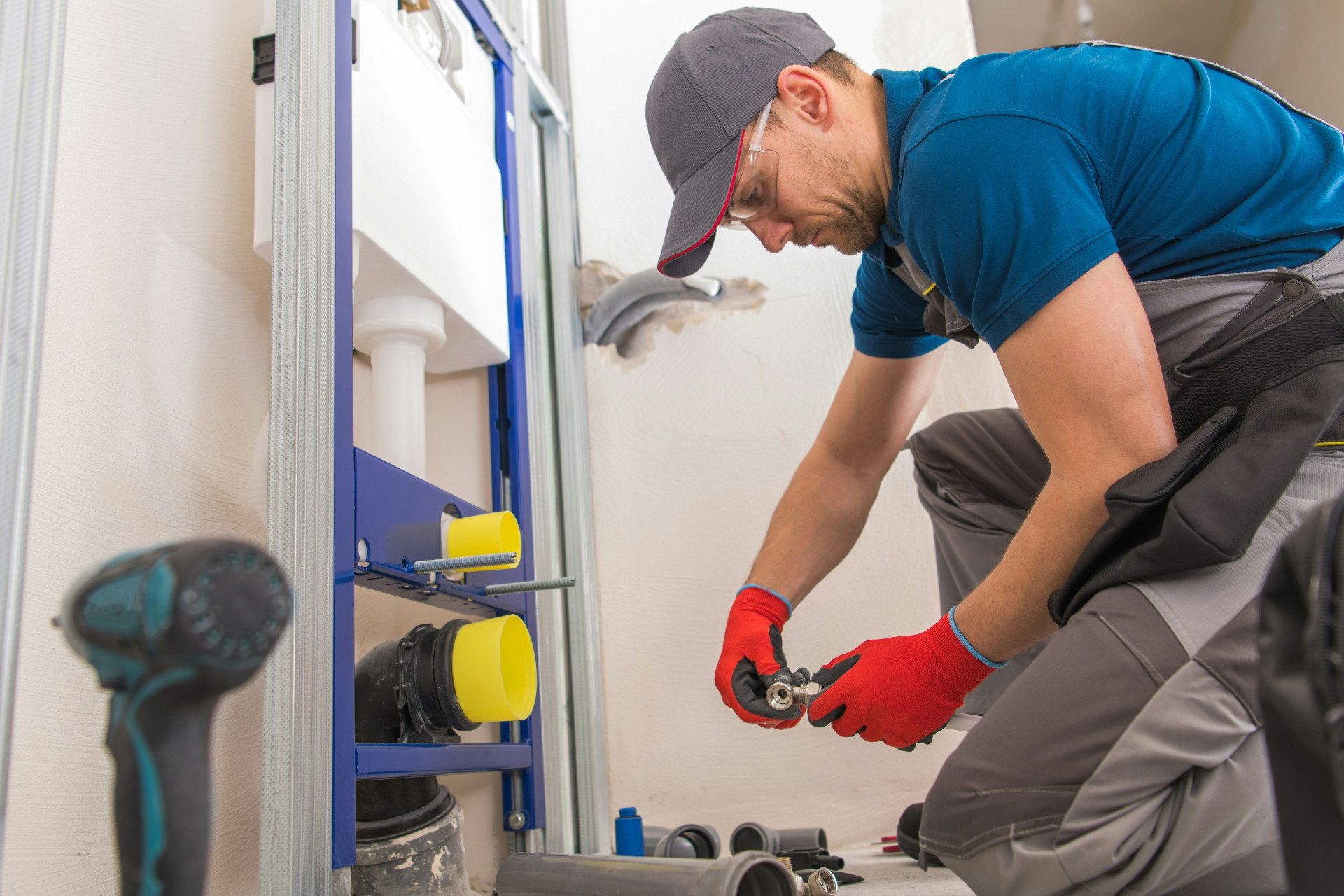
Proper Sewer Work for Home Additions – How to Make Sure Everything Is Up to Code
When you’re adding on to your home—whether it’s a new bathroom, a finished basement, or an entire extension—proper sewer and drainage work is one of the most critical, yet often overlooked, parts of the project. Mistakes in sewer connections or drainage can lead to leaks, foul odors, water damage, and even code violations that are expensive to fix later. Here’s how to make sure your sewer work is done correctly and meets all local building codes in the United States.
Sewer Work Requires Licensed Professionals
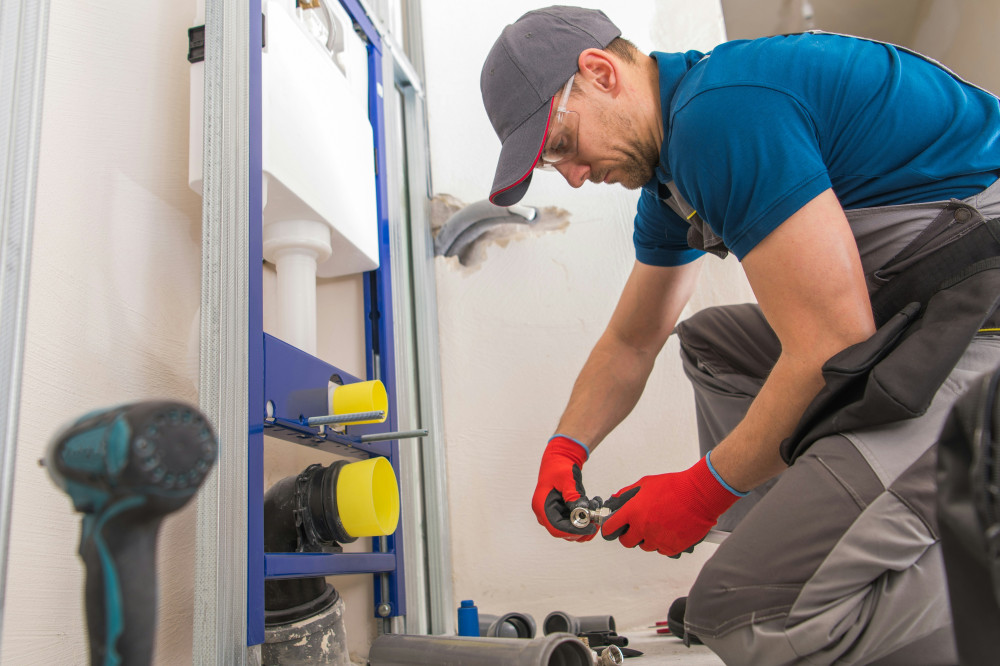
The first thing to understand is that sewer work is not a DIY job. In most states, only licensed plumbers or sewer contractors are allowed to install, repair, or modify sewer lines that connect to a public sewer system. This includes any new drains, cleanouts, or connections required for your home addition.
Even small changes—like moving a floor drain or adding a new toilet—must be done by a licensed professional. Sewer systems must be installed correctly to prevent contamination, backflow, and structural damage to your home.
Before you start your project, contact a licensed plumber or sewer contractor. They can help you design a compliant system, choose the right materials, and ensure that all work meets local and state plumbing codes.
Permits and Inspections
In the U.S., sewer work for home additions almost always requires a building or plumbing permit. Your local building department will want to review plans showing how wastewater and stormwater will be handled and how the new system ties into the existing one.
Once the work is complete, a final inspection is typically required. The inspector will verify that the installation meets code and that all connections are watertight and properly vented. Only after passing inspection can the work be officially approved.
Keep copies of all permits, inspection reports, and as-built drawings. These documents are essential for future maintenance, resale, and insurance purposes.
Common Sewer Tasks for Home Additions
The type of sewer work needed depends on the nature of your addition. Here are some of the most common tasks:
- Installing new drains for bathrooms or kitchens – Requires proper slope, venting, and connection to the main sewer line.
- Relocating existing sewer lines – If your addition sits over existing pipes, they may need to be rerouted.
- Stormwater management – Roof drains and downspouts from the new structure must be directed to a storm sewer, dry well, or approved drainage system.
- Adding cleanouts and access points – These allow for future maintenance and inspection.
- Backflow prevention – Especially important for basements or lower-level additions that sit below the main sewer line.
A licensed contractor can assess your property and determine the best solutions for your site conditions and local regulations.
Læs også:
Avoiding Common Mistakes
Improper sewer work can cause serious problems down the road. Here are some of the most frequent mistakes—and how to avoid them:
- Incorrect pipe slope – Without the right pitch, wastewater won’t flow properly, leading to clogs and backups.
- Using the wrong materials – Pipes not rated for underground use can crack or collapse under soil pressure.
- Poor venting – Inadequate venting can cause slow drains and sewer gas odors.
- Unpermitted work – Doing sewer work without a permit can result in fines, forced removal, and loss of insurance coverage.
By hiring a licensed professional and insisting on proper documentation, you can avoid these costly errors.
Plan for Long-Term Maintenance
A properly installed sewer system should require minimal maintenance, but it’s still wise to plan ahead. Make sure there’s easy access to cleanouts and inspection points so blockages can be cleared if needed. After installation, consider having a camera inspection performed to verify that all connections are sound and properly sloped.
If your home is in an area prone to heavy rain or flooding, you may also want to install backwater valves or sump pumps to protect your addition from sewer backups.
Coordination Among Contractors
Sewer work is closely tied to other parts of your construction project—such as the foundation, grading, and plumbing. Good communication between your plumber, general contractor, and other trades is essential. Proper coordination ensures that pipe routes, elevations, and connections align with the rest of the build and that the work is completed in the correct sequence.
If possible, hire a general contractor who can oversee all aspects of the project or make sure there’s a clear schedule and division of responsibilities among the trades.
Code-Compliant Sewer Work Pays Off
While hiring a licensed sewer contractor and obtaining permits may seem like extra hassle and expense, it’s an investment in your home’s safety and value. Unpermitted or substandard sewer work can lead to major repair costs, code enforcement issues, and even health hazards.
By ensuring that your sewer system is properly designed, installed, and documented, you’ll have peace of mind—and a home addition that functions flawlessly for years to come.
Læs også: