How Often Should the Sewer Be Cleaned?

How Often Should the Sewer Be Cleaned?
Most homeowners rarely think about their sewer system—until something goes wrong. A clogged or poorly maintained sewer line can quickly lead to unpleasant odors, slow drains, or even costly water damage. Knowing how often to have your sewer cleaned and how to maintain it properly can save you a lot of trouble down the road. Here’s a practical guide for U.S. homeowners on when and how to keep your sewer system in good shape.
Why Sewer Cleaning Matters
Your home’s sewer line carries wastewater away from sinks, showers, and toilets to the municipal system or a septic tank. Over time, grease, soap residue, hair, and debris can build up inside the pipes. Tree roots may also infiltrate older lines, causing blockages or cracks. If left unchecked, these issues can lead to:
- Slow drains – water takes longer to empty from sinks, tubs, or toilets.
- Unpleasant odors – buildup and bacteria can cause foul smells.
- Backups and flooding – especially during heavy rain or when the line is partially blocked.
- Pipe damage – pressure from clogs or roots can cause leaks or breaks.
Regular cleaning helps prevent these problems and protects your home from expensive repairs.
Læs også:
How Often Should the Sewer Be Cleaned?
There’s no one-size-fits-all answer, as the right frequency depends on your home’s age, plumbing materials, number of occupants, and whether you’re connected to a city sewer or a septic system. However, general guidelines for U.S. homeowners are:
- Single-family homes: every 18–24 months.
- Older homes or properties with large trees nearby: every 12–18 months.
- Vacation homes or seasonal properties: every 3–5 years, depending on use.
- Restaurants or commercial kitchens: at least once or twice a year due to grease buildup.
If you experience frequent clogs, gurgling sounds, or recurring odors, it may be time to schedule a cleaning sooner. A licensed plumber can inspect your system and recommend an appropriate maintenance schedule.
Signs Your Sewer Needs Cleaning
You don’t have to wait for a major backup to take action. Watch for these early warning signs:
- Water drains slowly from sinks, tubs, or toilets.
- You hear bubbling or gurgling noises from drains.
- There’s a persistent sewer smell indoors or near floor drains.
- Water pools in your yard or around cleanout caps.
Catching these symptoms early can prevent more serious—and expensive—damage.
Preventive Maintenance: What You Can Do
While professional cleaning is essential every few years, good daily habits can help keep your sewer line clear:
- Avoid pouring grease or oil down the drain. It solidifies and sticks to pipe walls.
- Use drain strainers. They catch hair, food scraps, and debris before they enter the pipes.
- Flush only toilet paper. Items like wipes, cotton swabs, and feminine products belong in the trash.
- Keep an eye on outdoor drains and cleanouts. Remove leaves and dirt to ensure proper flow.
- Maintain gutters and downspouts. Direct rainwater away from your foundation to reduce strain on the sewer line.
These small steps can extend the life of your plumbing and reduce the need for frequent cleanings.
What to Expect from Professional Sewer Cleaning
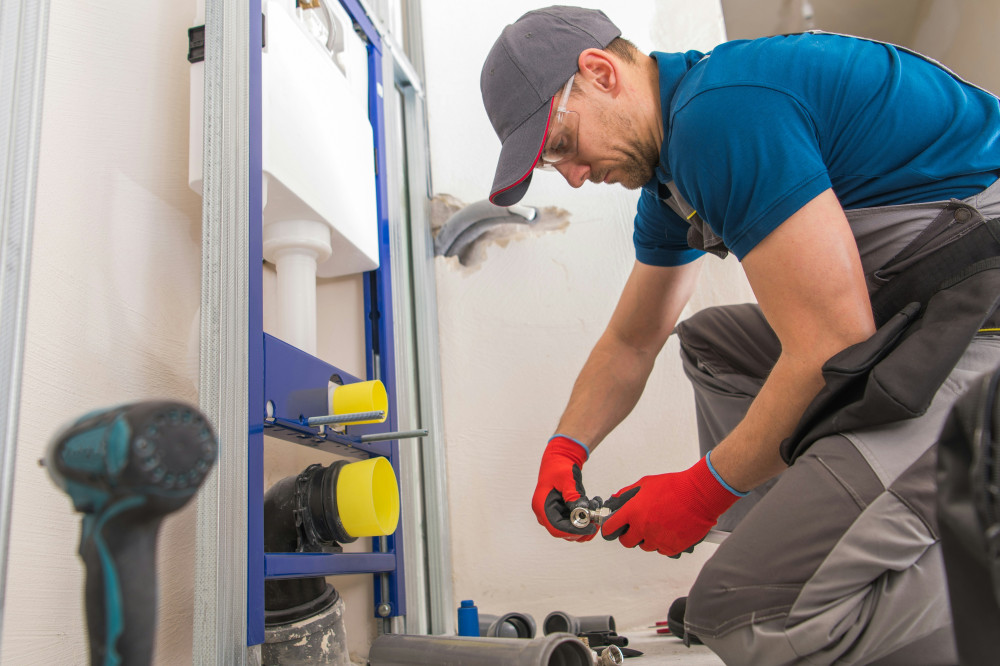
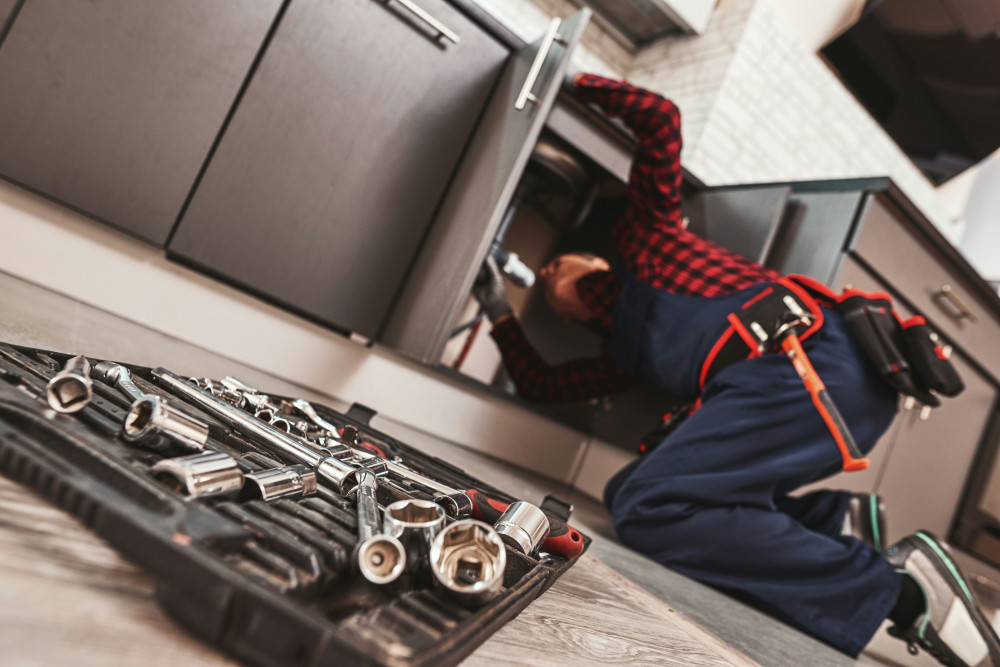
When you hire a plumber or drain specialist, they typically use high-pressure water jetting to clear out buildup and blockages. This method blasts water through the pipes to remove grease, sludge, and roots. Many professionals also perform a video camera inspection to check for cracks, misaligned joints, or other issues inside the line.
After the cleaning, you may receive a report or video footage showing the condition of your sewer line. This helps you plan future maintenance and catch potential problems early.
A Smart Investment in Your Home
Routine sewer cleaning might seem like an unnecessary expense, but it’s a smart investment in your home’s health and safety. Preventive maintenance costs far less than emergency repairs caused by backups or broken pipes.
By combining good habits with professional cleaning every couple of years, you can keep your sewer system running smoothly—and avoid the stress and expense of unexpected plumbing disasters.
Læs også: