Work Safely on the Roof – Tips for Roof Repair

Work Safely on the Roof – Tips for Roof Repair
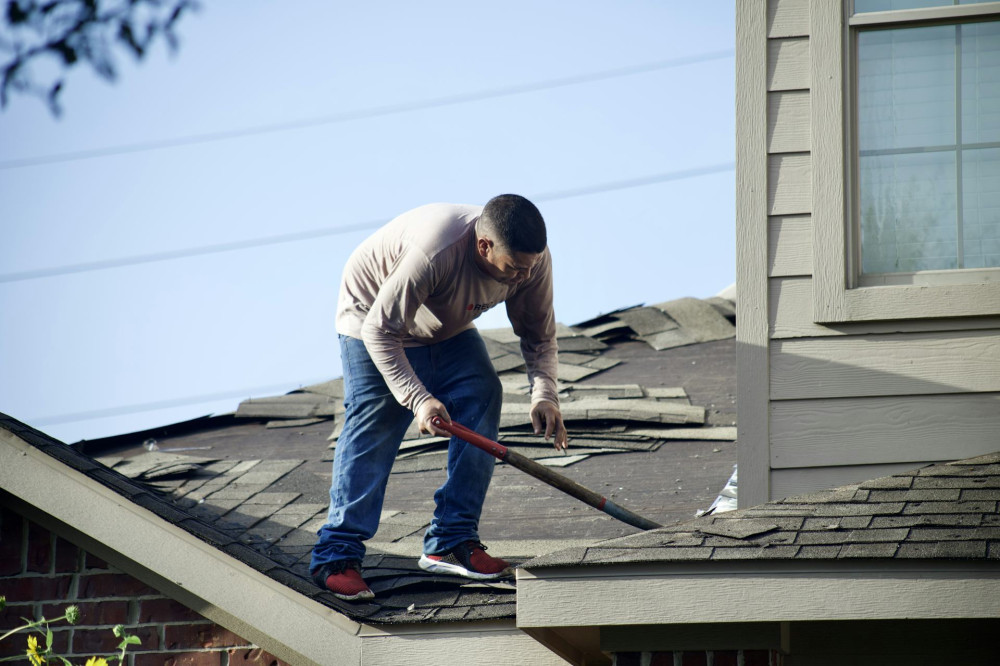
Working on your roof can be both necessary and rewarding—but it’s also one of the most dangerous home repair tasks you can take on. A single misstep, a slippery surface, or missing safety gear can lead to serious injury. Whether you’re replacing a few shingles or tackling a larger repair, safety should always come first. Here are some practical tips to help you work safely and efficiently on your roof.
Preparation Is the Key to Safety
Before you set foot on the roof, take time to plan your project carefully. Assess what needs to be done and how extensive the job is. Are you cleaning gutters, replacing shingles, or repairing flashing around a chimney?
Make a checklist of all the tools and materials you’ll need, and gather them before you start. This reduces the number of trips up and down the ladder—each trip increases the risk of an accident.
Always check the weather forecast. Avoid working on the roof in rain, snow, strong wind, or extreme heat. Wet or icy surfaces are slippery, and high winds can make it difficult to keep your balance.
Use the Right Safety Equipment
Safety gear isn’t just for professional roofers—it’s essential for anyone working at height. The most important items include:
- Non-slip shoes or boots with good traction to prevent slipping.
- A safety harness and lifeline securely anchored to a stable point on the roof or building structure.
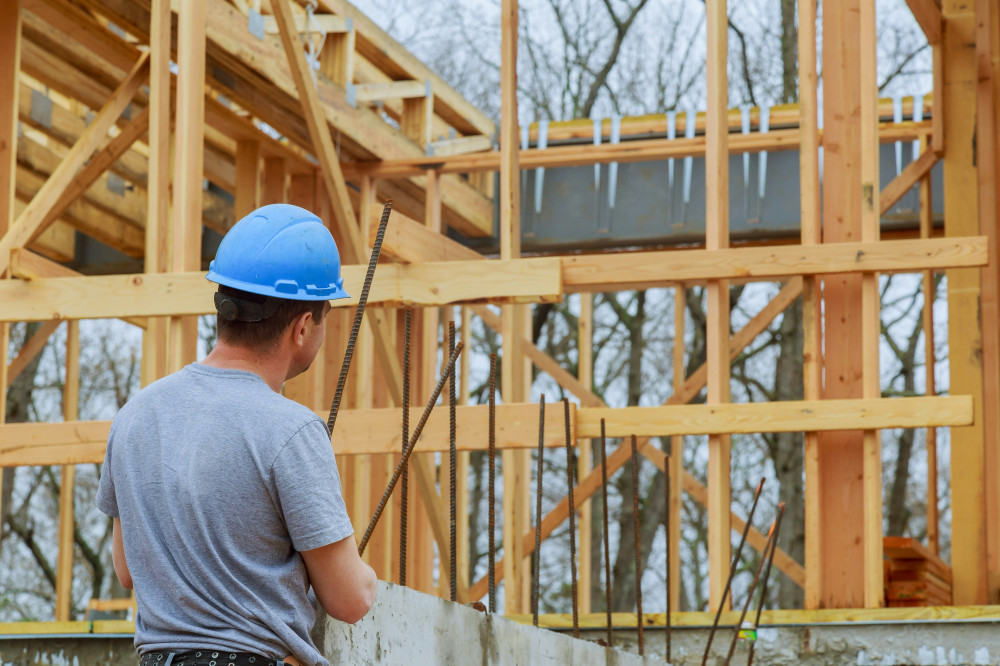
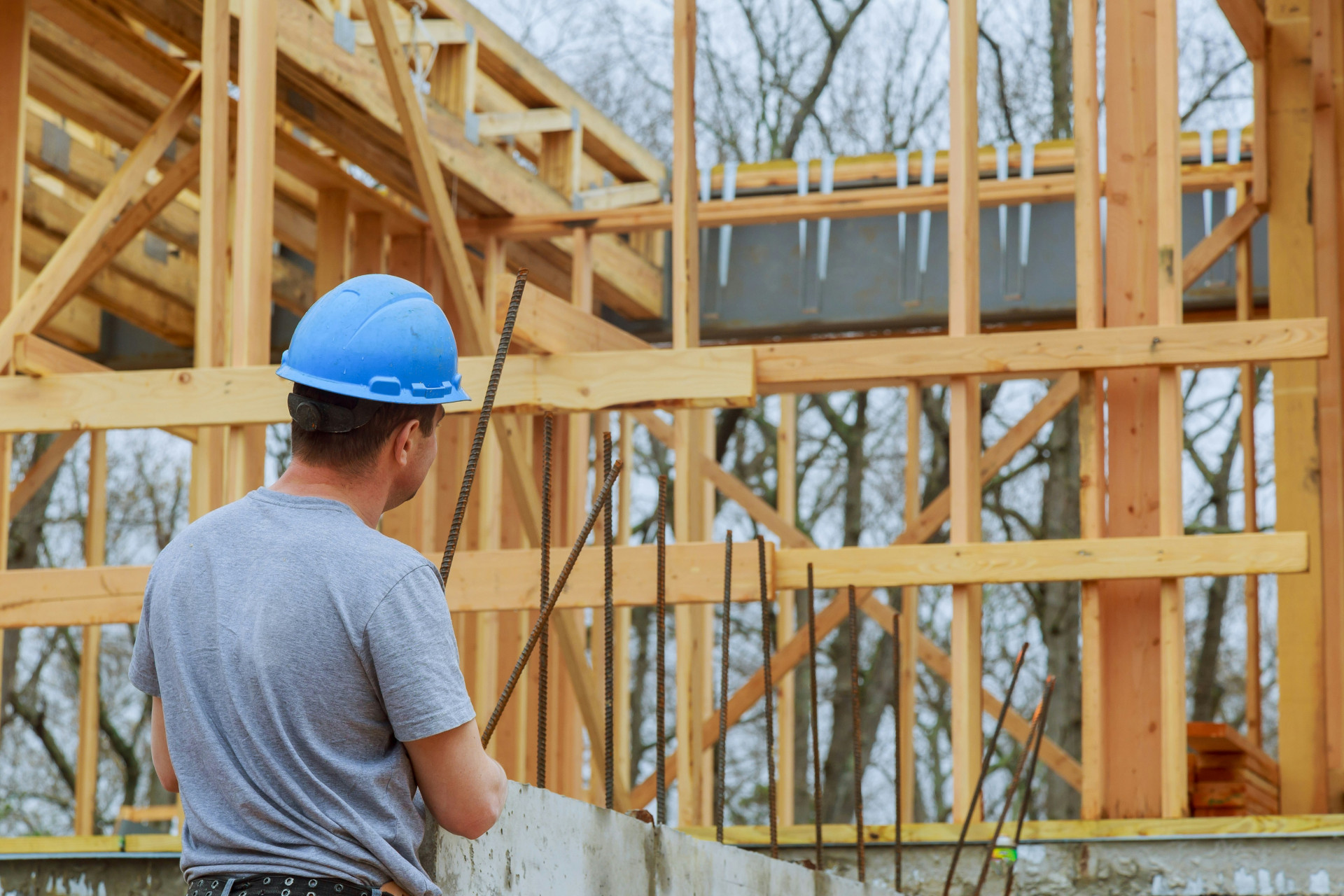
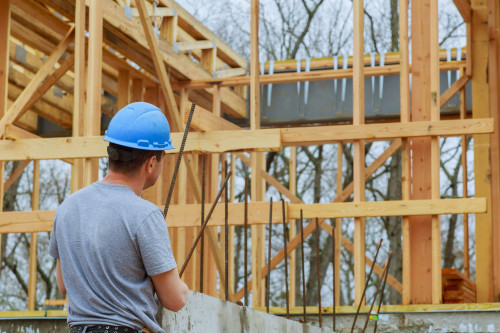
- A hard hat to protect your head from falling tools or debris.
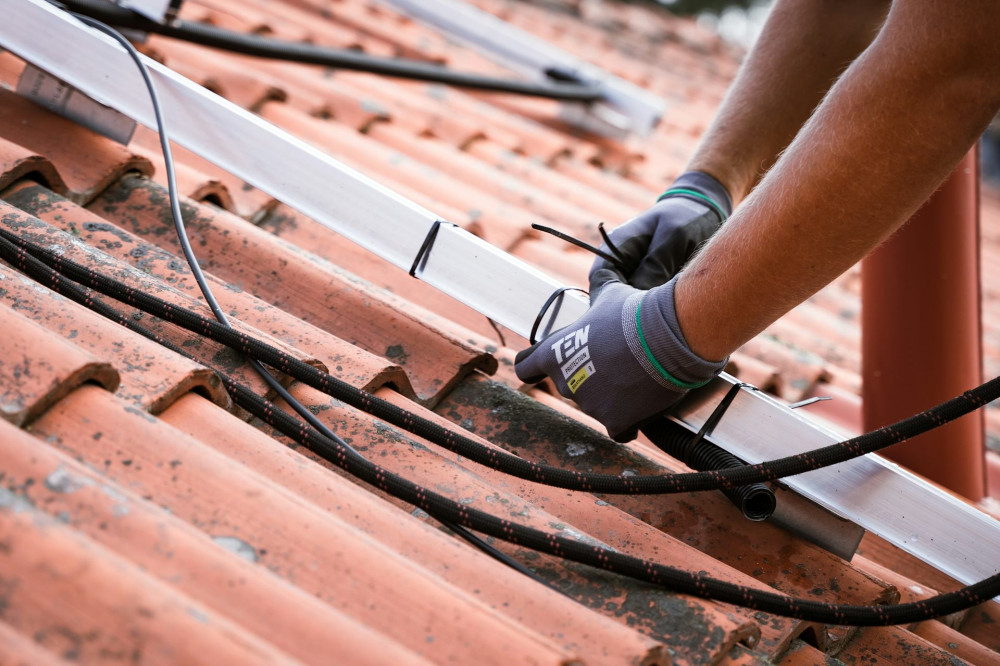
- Work gloves to improve grip and protect your hands from sharp edges or rough materials.
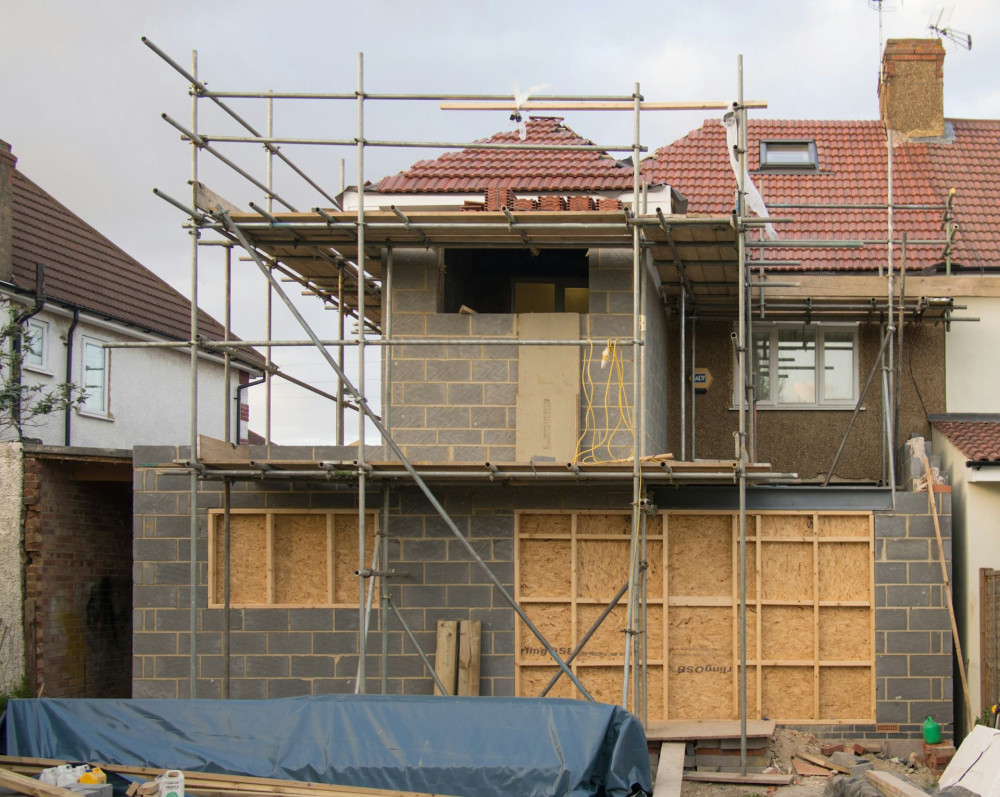
If you’re working on a steep roof, consider using a roof bracket system, roof ladder, or scaffolding to create a stable work surface. It may seem like an extra expense, but it’s an investment in your safety.
Ensure a Stable Access Point
A sturdy, properly positioned ladder is essential. Place the ladder on firm, level ground and at a 75-degree angle. It should extend at least three feet above the roof edge so you have something to hold onto when climbing on or off.
Use a ladder stabilizer or ladder footing to prevent slipping. If you’ll be on the roof for an extended period, a mobile scaffold can provide a safer and more comfortable platform.
Know Your Roof Type and Condition
Different roofing materials require different approaches. Asphalt shingles, metal panels, and tile roofs each have unique characteristics. For example, tile roofs can be fragile, while metal roofs can be extremely slippery.
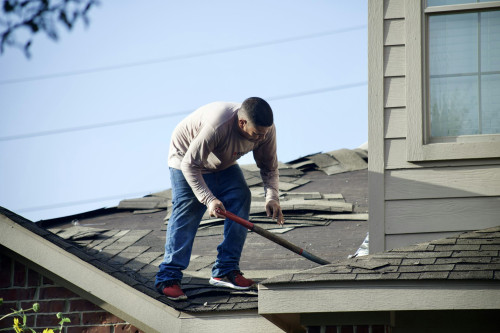
Inspect the roof before starting work. Look for loose shingles, soft spots, or rotted decking that could give way under your weight. Move carefully and distribute your weight evenly to avoid damaging the roof or losing your balance.
Work Slowly and Systematically
Once you’re on the roof, move deliberately and avoid sudden motions. Always maintain three points of contact—two feet and one hand, or two hands and one foot.
Keep your tools and materials in a tool belt or bucket with a rope so you don’t have to carry loose items while climbing. If you’re working with someone else, establish clear communication signals to avoid surprises or dropped tools.
Watch the Weather—and Yourself
Even on a sunny day, roof work can be physically demanding. Take regular breaks, stay hydrated, and protect yourself from the sun with sunscreen and a hat. Fatigue and dehydration can lead to mistakes and accidents.
If the weather changes—especially if the wind picks up or rain starts—stop working and get down safely. It’s always better to postpone the job than to risk a fall.
When to Call a Professional
Some roofing jobs are simply too risky or complex for DIY repair. If your roof is very steep, high, or damaged near power lines or chimneys, it’s best to hire a licensed roofing contractor.
A professional has the right equipment, training, and insurance to complete the job safely. In the long run, it can save you time, money, and unnecessary risk.
Læs også:
Safe Roof Work Starts on the Ground
Roof safety begins long before you climb the ladder. With proper planning, the right equipment, and a realistic understanding of your own abilities, you can handle many small repairs yourself—without putting your safety on the line.
Remember: the best roof repair isn’t just one that keeps the rain out—it’s the one that ensures you make it safely back down.
Læs også: