The Evolution of Solar Roofs – From Niche Solution to Mainstream Roofing Technology

The Evolution of Solar Roofs – From Niche Solution to Mainstream Roofing Technology
Just a decade ago, solar roofs were seen as an expensive and experimental option for a small group of eco-conscious homeowners. Today, they are becoming a realistic choice for many Americans who want to combine aesthetics, energy savings, and sustainability. This transformation has been driven by rapid technological progress, falling costs, and a growing national focus on clean energy. But how did solar roofs evolve from a niche innovation to a mainstream roofing technology?
The Early Years – Innovation with Limitations
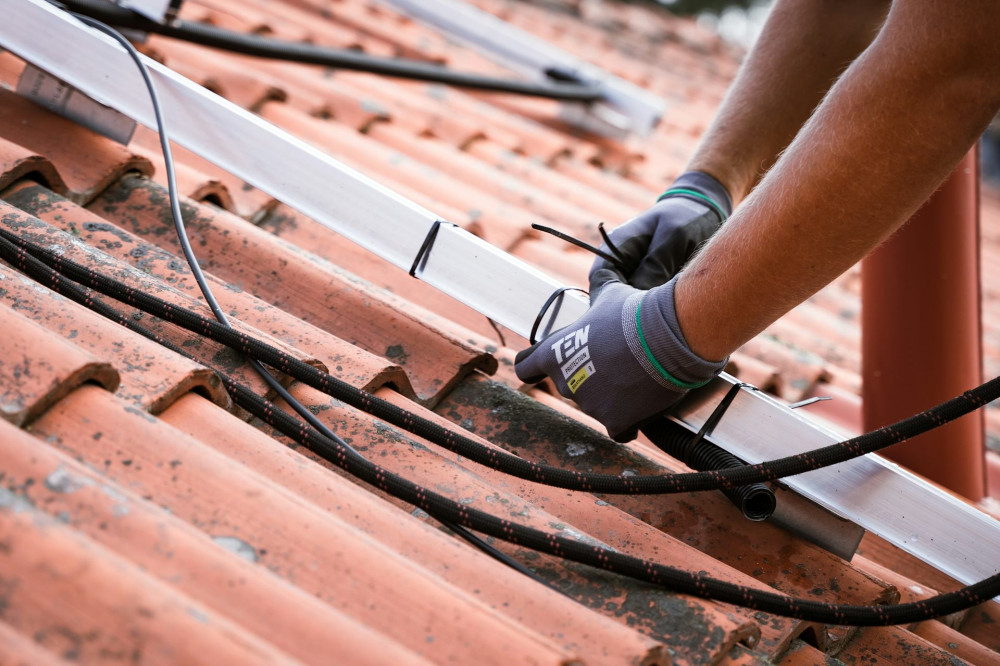
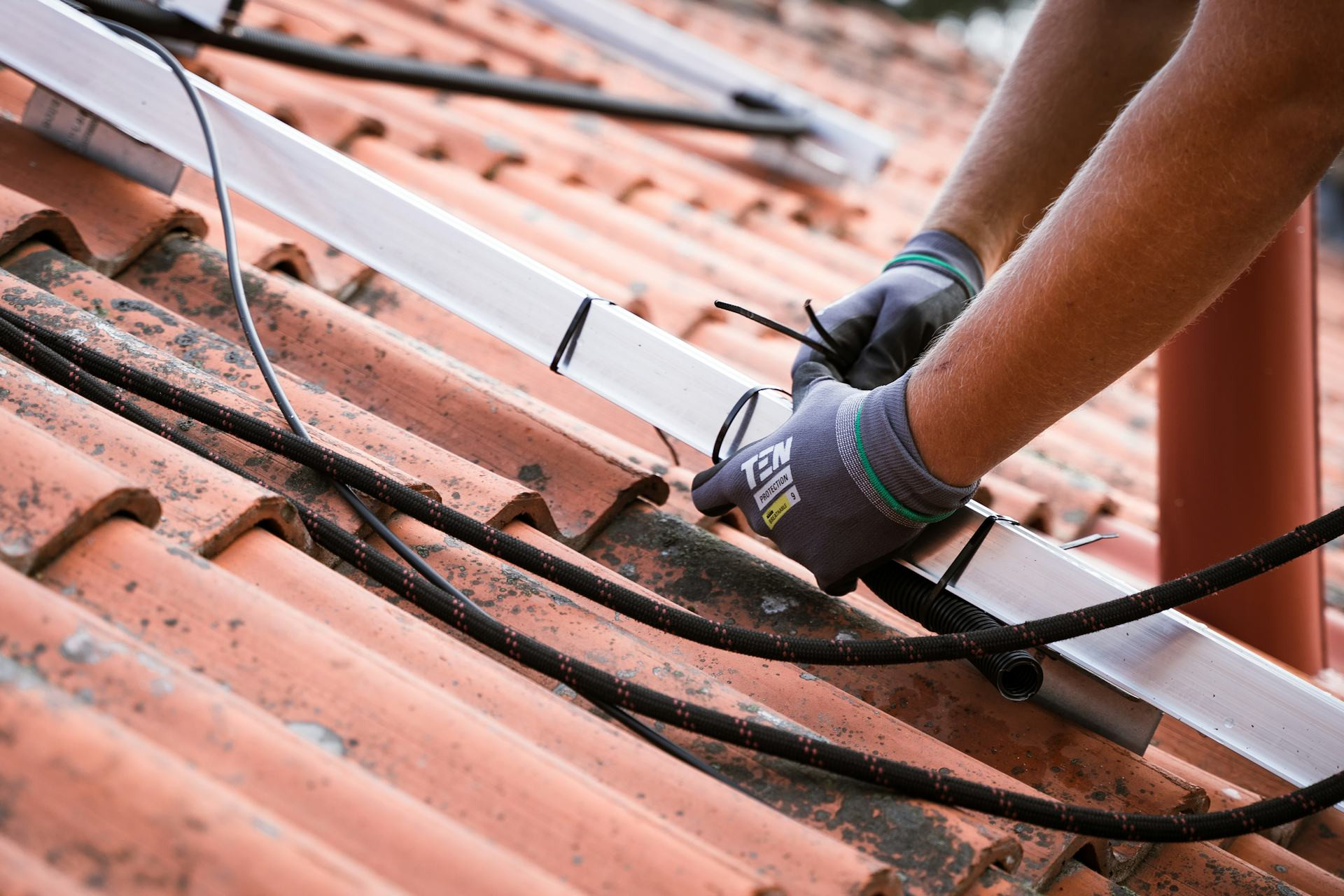
The first solar roof systems began appearing in the United States in the early 2010s. At that time, most solar installations consisted of traditional panels mounted on top of existing roofs. These systems were effective but often bulky and visually intrusive. Fully integrated solar roofing—where the solar cells are built directly into the roofing material—was still in its infancy.
Early versions of solar roofs came with trade-offs. They were less efficient than conventional solar panels, offered limited design options, and came with high installation costs. As a result, many homeowners chose to wait until the technology matured and prices dropped.
Læs også:
Technological Advances and Falling Costs
Throughout the 2010s, innovation accelerated. Manufacturers began embedding photovoltaic cells into materials like asphalt shingles, metal panels, and tiles, creating products that looked and functioned like traditional roofs while generating electricity. Companies such as Tesla, GAF Energy, and CertainTeed helped bring solar roofing into the public eye, offering systems that blended performance with curb appeal.
At the same time, the cost of solar technology plummeted. According to the U.S. Department of Energy, the price of solar modules has dropped by more than 80% since 2010. Improved efficiency, better manufacturing processes, and increased competition have made solar roofs more accessible to average homeowners.
Modern solar roofs are not only more efficient but also easier to install and maintain. Many systems can connect directly to home energy storage units, allowing homeowners to store excess power for nighttime use or during outages. This combination of functionality and independence has made solar roofs an increasingly attractive investment.
Design and Aesthetics Take Center Stage
One of the biggest barriers to solar adoption has always been appearance. Many homeowners were reluctant to install large, dark panels that disrupted the look of their homes. The new generation of solar roofs has changed that perception. Today’s solar shingles and tiles come in various colors and finishes, often indistinguishable from traditional roofing materials.
Architects and builders now view solar roofs as an integral part of home design rather than an add-on. This shift has been especially significant in new construction, where energy efficiency standards are tightening and design harmony is a priority. In many modern developments, solar roofs are becoming a default feature rather than a luxury upgrade.
From Incentives to Standard Practice
As technology advanced, policy and incentives followed. Federal tax credits, state rebates, and utility programs have all played a role in making solar roofs more affordable. The federal Investment Tax Credit (ITC), for example, allows homeowners to deduct a significant portion of installation costs from their taxes, while some states offer additional rebates or net metering programs that credit homeowners for the energy they produce.
These incentives, combined with rising electricity prices and growing environmental awareness, have helped solar roofs move from a niche market to a mainstream option. For many homeowners, installing a solar roof is no longer just an environmental statement—it’s a sound financial decision.
The Future: Smart Roofs and Energy Networks
The evolution of solar roofs is far from over. The latest systems are equipped with smart monitoring technology that optimizes energy production in real time. Some can communicate with electric vehicles, home batteries, and smart appliances to balance energy use throughout the day.
In the near future, solar roofs may become key components of local energy networks, where homes share and store electricity across neighborhoods. This vision aligns with the broader shift toward decentralized, resilient energy systems—where every rooftop contributes to a cleaner, more reliable grid.
From Niche to Norm
In just a few years, solar roofs have evolved from a futuristic concept to a practical solution for millions of Americans. They represent the intersection of technology, design, and sustainability—proof that the roof over our heads can do more than protect us from the elements. It can also power our homes, reduce our carbon footprint, and shape a more sustainable future for generations to come.
Læs også: