Fix Uneven Gutters and Prevent Water Damage

Fix Uneven Gutters and Prevent Water Damage
A sagging or uneven gutter might seem like a small issue, but it can lead to serious water damage over time. When rainwater doesn’t flow properly toward the downspout, it can overflow, seep into your siding or foundation, and cause rot, mold, or structural problems. The good news is that with a little maintenance and attention, you can keep your gutters working efficiently and protect your home from costly repairs. Here’s how to fix uneven gutters and prevent water damage.
Why Gutters Become Uneven
Gutters endure a lot throughout the year—heavy rain, snow, ice, and debris can all take a toll. Over time, these factors can cause gutters to sag or pull away from the fascia. Common causes include:
- Built-up debris and standing water that weigh down the gutter.
- Ice dams and freezing temperatures, which expand and push brackets out of alignment.
- Loose or corroded hangers, which weaken and fail to hold the gutter in place.
- Improper installation, where the slope wasn’t set correctly from the start.
When gutters lose their proper slope, water pools instead of draining, or worse, spills over the edge and runs down your home’s exterior.
How to Check the Slope of Your Gutters
A properly installed gutter should have a slight downward slope toward the downspout—about 1/4 inch for every 10 feet of gutter. You can check this by using a level or by running water through the gutter and observing how it flows.
If water stands still or flows away from the downspout, it’s time for an adjustment. While you’re inspecting, look for cracks, rust, or loose joints that could cause leaks.
Step-by-Step: How to Fix Uneven Gutters
You don’t always need a professional to fix uneven gutters, but safety and precision are key.
- Ensure safe access. Use a sturdy ladder on level ground, and never overreach.
- Clean the gutters. Remove leaves, twigs, and dirt so you can clearly see how water moves.
- Loosen the hangers or brackets. Most gutters are attached with metal hangers that can be adjusted.
- Adjust the slope. Use a level to create a consistent downward angle toward the downspout.
- Tighten the hangers. Make sure the gutter is secure and doesn’t shift under pressure.
- Test with water. Pour a bucket of water into the gutter to confirm that it drains properly.
If the hangers are rusted, bent, or broken, replace them. It’s a small expense that can extend the life of your gutter system.
Prevent Water Damage with Regular Maintenance
Even perfectly aligned gutters need regular care. A simple maintenance routine can save you from major headaches later:
- Clean gutters at least twice a year—typically in spring and fall.
- Check downspouts for clogs, especially after storms or heavy rain.
- Inspect for water stains or peeling paint on siding or fascia, which can signal overflow issues.
- Install gutter guards or screens if you have trees near your home.
- Inspect gutters after winter, since ice and snow can shift or damage them.
Catching small issues early prevents them from turning into expensive repairs.
Læs også:


When to Call a Professional
If your gutters are high, difficult to reach, or show signs of severe damage—such as cracks, leaks, or rotted fascia boards—it’s best to call a professional. A roofing or gutter specialist can realign the system, replace damaged sections, and ensure proper drainage.
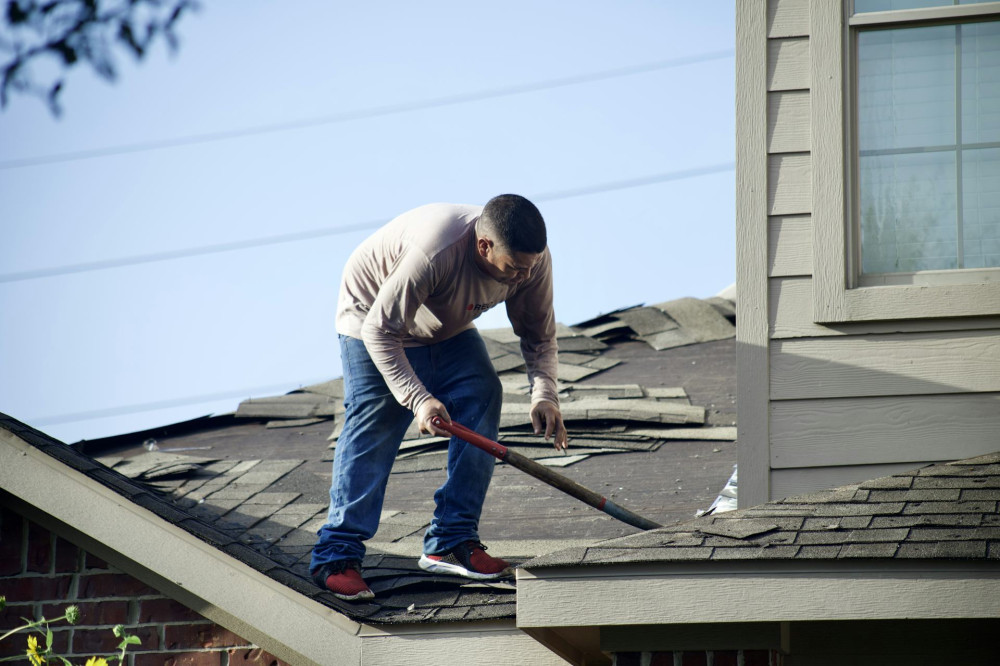
It’s also smart to have your gutters inspected whenever you’re having roof work done, such as cleaning, sealing, or replacing shingles.
A Small Effort with Big Results
Gutters may not be the most glamorous part of your home, but they play a vital role in protecting it from water damage. A little time spent maintaining and adjusting them can prevent costly repairs, extend your roof’s lifespan, and keep your home dry and secure.
So the next time it rains, you can rest easy knowing the water is flowing exactly where it should—away from your home and safely into the drain.
Læs også: