White Flower Beds – How to Create a Calm Look


White Flower Beds – How to Create a Calm Look
A white flower bed can turn your garden into a peaceful and elegant retreat. The soft tones reflect light beautifully, create a sense of calm, and make even small spaces feel larger. White flowers suit nearly any garden style—from a romantic cottage garden to a sleek, modern landscape. Here’s how to design a serene and timeless look with white blooms.
Why Choose White Flowers?
White flowers have a unique ability to bring balance and tranquility to a garden. They look clean, classic, and effortlessly sophisticated. Their brightness highlights the greens of foliage and the textures of surrounding plants. At dusk, white petals seem to glow, and under moonlight, they take on a magical shimmer.
A white bed can also serve as a visual rest in a colorful garden—a quiet space where the eye can pause. And if you ever want to change the mood, white pairs easily with other colors. A touch of pale lavender or blush pink can add interest without disturbing the calm atmosphere.
Læs også:

Choosing the Right Plants
When planning a white flower bed, think beyond color. Vary the shapes, heights, and bloom times of your plants to create depth and ensure beauty throughout the growing season.
Here are some reliable choices for U.S. gardens:
- Perennials: Shasta daisy, white coneflower, phlox ‘David,’ white echinacea, and white astilbe.
- Shrubs: Hydrangea ‘Annabelle,’ white lilac, and viburnum.
- Bulbs: White tulips, daffodils, and alliums for spring brightness.
- Annuals: White cosmos, petunias, and zinnias fill in gaps during summer.
Don’t forget about foliage. Silvery or gray-green leaves—like those of lamb’s ear, dusty miller, or artemisia—add contrast and enhance the light, airy feel.
Create Structure and Rhythm
A calm garden design depends on structure. Repeating the same plants in several spots helps create rhythm and unity. Use evergreen shrubs such as boxwood or holly as a backdrop—they provide form and keep the garden attractive year-round.
Place taller plants toward the back and shorter ones in front so every bloom can be seen. If your bed is visible from all sides, position the tallest plants in the center and let the shorter ones cascade outward for a soft, rounded look.
Light and Placement
White flowers shine brightest in good light, but they can also brighten shady corners. In partial shade, their reflective petals make dark areas feel more open and inviting.
Observe how sunlight moves through your yard during the day. A white flower bed near a patio or walkway can create a beautiful evening glow as the blooms catch the last rays of sunlight or reflect soft outdoor lighting.
Care and Maintenance
A white flower bed doesn’t require more care than any other, but because pale blooms can show dirt or fading more easily, it’s worth deadheading regularly. This keeps the plants tidy and encourages new blooms.
Feed your plants in spring and make sure the soil drains well. Most white perennials prefer moist but not soggy soil with good structure. A layer of mulch or fine gravel helps retain moisture and gives the bed a clean, finished look.
Add Finishing Touches
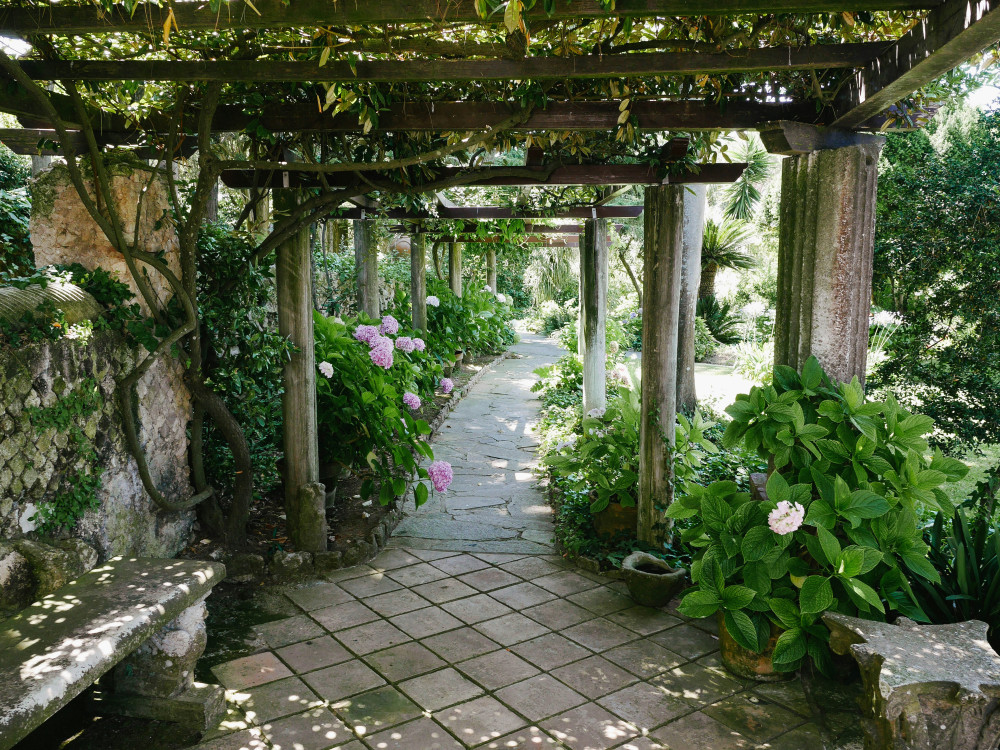
To complete the tranquil atmosphere, coordinate your garden accessories with the white theme. A white bench, light-colored gravel path, or natural stone pots can enhance the sense of harmony. Avoid too many bold contrasts—simplicity is key to serenity.
If you want a hint of color, introduce a few soft pastels. A pale pink rose or a light blue bellflower can add depth without breaking the calm mood.
A Garden That Brings Peace Year-Round
A white flower bed is more than a color choice—it’s a feeling. It invites stillness, reflection, and a slower pace. With the right mix of plants, structure, and light, you can create a space that feels like a breath of fresh air—a peaceful corner of your garden where you can unwind and simply enjoy the beauty of simplicity.
Læs også: