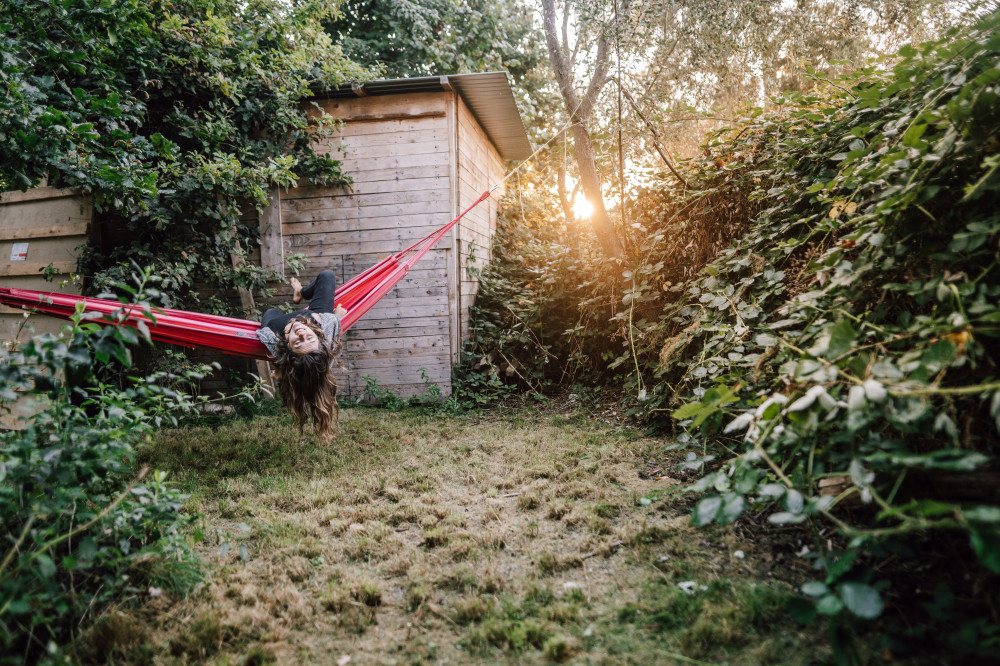
Create a Dynamic Patio with Varying Levels

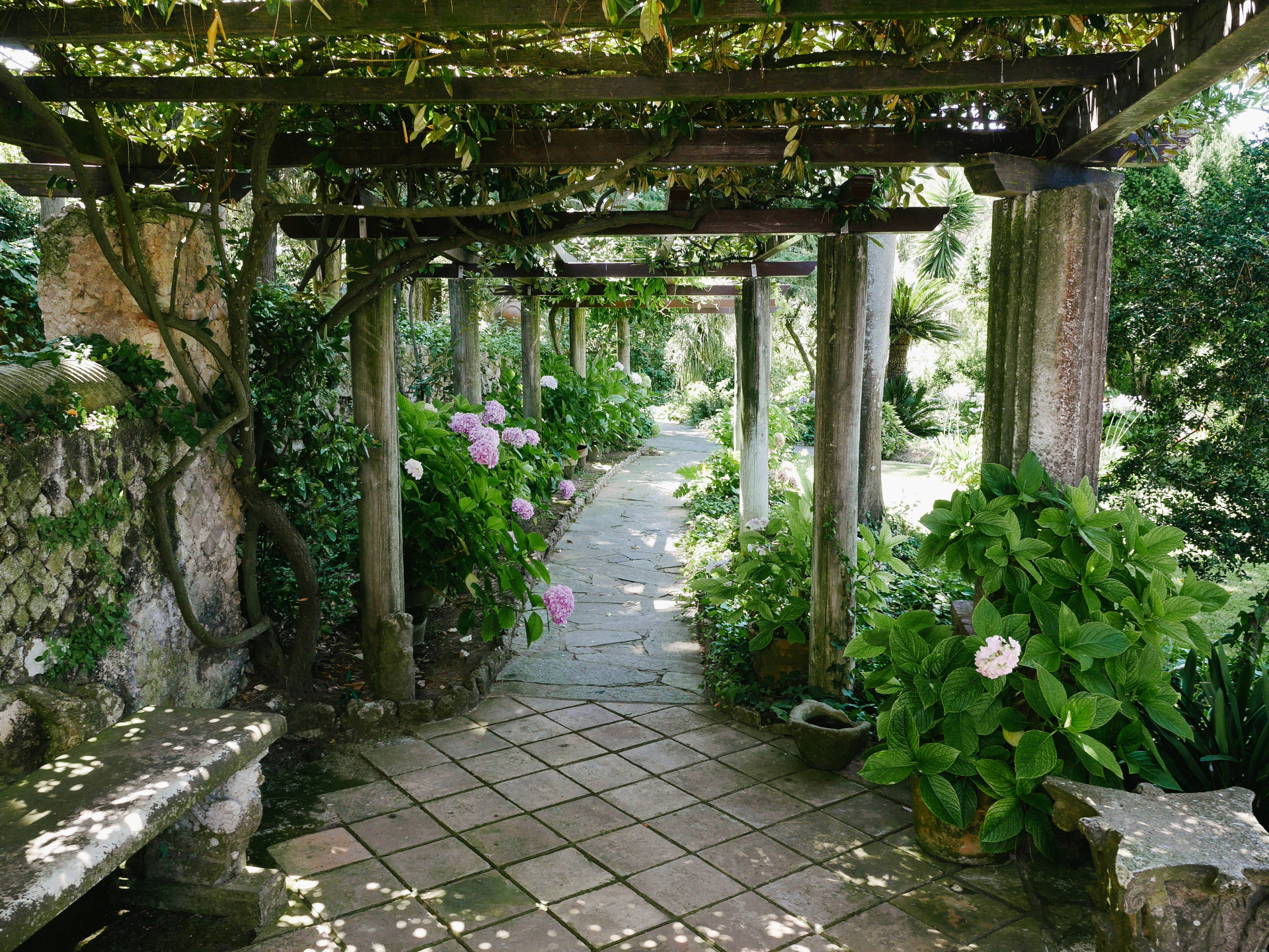
Create a Dynamic Patio with Varying Levels
A patio doesn’t have to be a flat, uniform surface to be inviting. In fact, incorporating different levels can bring energy, depth, and a sense of structure to your outdoor space. By playing with height, steps, and platforms, you can give your patio character and make it more engaging—whether you have a compact backyard in the suburbs or a spacious property with a view. Here’s how to use varying levels to create a dynamic and functional patio.
Why Work with Different Levels?
Varying levels add architectural interest to your patio. They break up flat lines and naturally define zones for different activities—like dining, lounging, or gardening. They also allow you to make the most of your yard’s natural slope, creating a design that feels integrated with the landscape rather than imposed on it.
From a practical standpoint, levels can help manage uneven terrain. Instead of grading the entire yard, you can use steps and terraces to create stable, usable areas. This approach saves on materials and labor while giving your patio a more organic, layered look.
Define Zones for Different Purposes
A multi-level patio can be divided into zones, each with its own atmosphere and function. This makes your outdoor space more versatile and enjoyable.
- Dining Area – Place it on the upper level to catch the sun and enjoy the view. A raised deck made of wood or composite materials creates a perfect setting for outdoor meals.
- Lounge Area – Design a lower level with comfortable seating, planters, and perhaps a fire pit. This creates a cozy, sheltered retreat for relaxing evenings.
- Garden Zone – Use level changes to incorporate planting beds or raised planters. The greenery softens the hardscape and connects the patio to the surrounding yard.
By varying materials and heights, you can emphasize the differences between zones while maintaining a cohesive overall design.
Materials That Tie the Levels Together
When working with multiple levels, it’s important that your materials complement each other. Wood, stone, and concrete can be combined in many ways, but aim for a consistent color palette or texture to keep the design harmonious.
- Wood adds warmth and a natural feel, ideal for both modern and traditional homes.
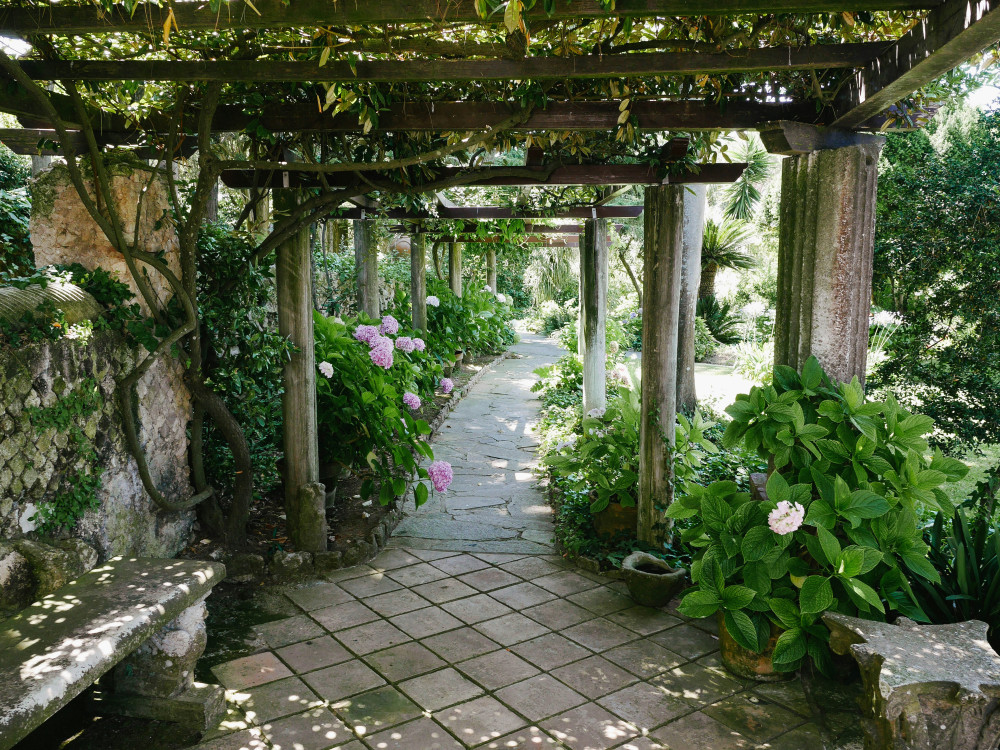
- Natural stone brings texture and character—especially if you use stone that reflects your region’s landscape.
- Concrete pavers or poured concrete offer a sleek, contemporary look and are easy to maintain.
Steps and edges can be built from the same material as the patio or in a contrasting one to highlight the level change. Consider adding lighting along the steps for both safety and ambiance after dark.
Work with the Natural Terrain
If your yard already has a slope, use it to your advantage instead of fighting it. A patio that follows the natural contours of the land feels more integrated and visually appealing. For example, you can have one section at the same level as your home and let it flow down into the garden with a few wide steps or a low deck.
This approach creates a smooth transition between indoor and outdoor spaces and makes the patio feel like a natural extension of your home.
Læs også:


Simple Ways to Add Depth and Variation
Even on a flat lot, you can create the illusion of levels with a few clever design tricks:
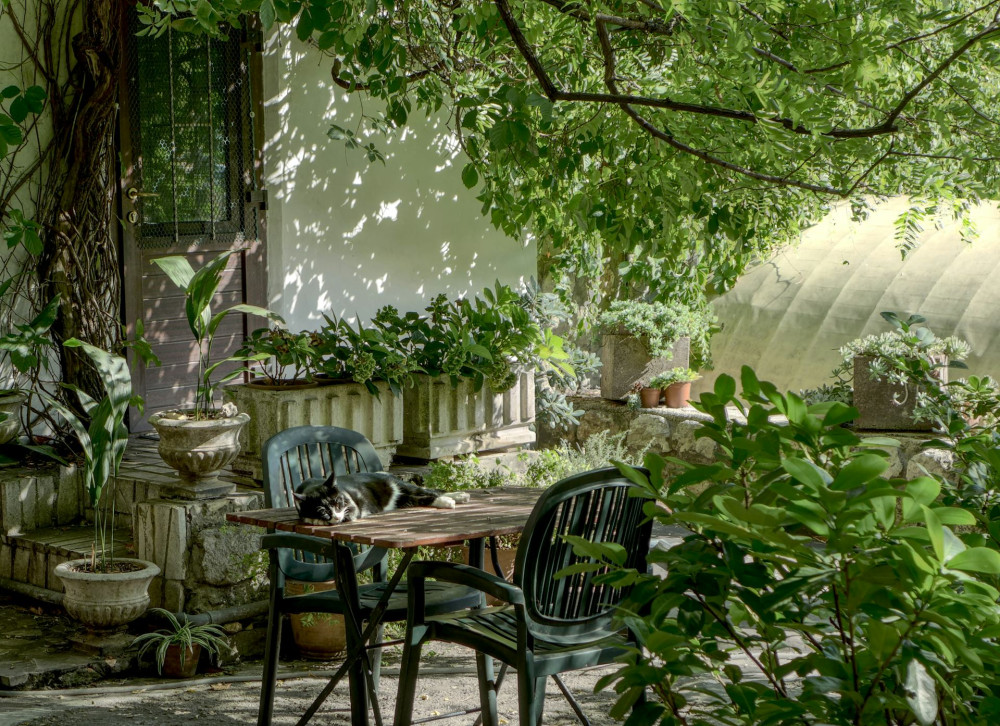
- Build a low bench or raised planter to introduce height variation.
- Use planters of different sizes to add vertical interest.
- Add stepping stones or a small step between surfaces to mark transitions.
- Layer lighting at different heights—such as ground-level lights and wall-mounted fixtures—to create depth and atmosphere.
These small details bring life and dimension to your patio, making it more visually engaging.
A Patio with Personality
Varying levels aren’t just about aesthetics—they’re about creating an outdoor space that fits your lifestyle. Maybe you want a play area for kids on one level and a quiet spot for evening drinks on another. Or perhaps you’d like a patio that feels like a natural continuation of your living room.
Whatever your vision, thoughtful use of height and transitions can help you design a patio that’s functional, beautiful, and full of personality.
Læs også: