Soil improvement that brings your garden to life

Soil improvement that brings your garden to life
A thriving garden begins beneath the surface. The quality of your soil determines how well your plants grow and how resilient they are to drought, disease, and cold. Improving soil isn’t just about adding fertilizer—it’s about creating a living ecosystem where microorganisms, earthworms, and plants work together. Here’s a guide to bringing your garden soil to life, from compost and cover crops to structure and moisture balance.
Know your soil
Before you start improving your soil, it’s important to understand what kind you have. Most soils fall into three main categories:
- Clay soil – rich in nutrients but heavy, compact, and slow to drain.
- Sandy soil – light and well-drained but low in nutrients and quick to dry out.
- Loam soil – the ideal balance of clay and sand, with good structure and moisture retention.
You can test your soil by taking a handful of moist soil and squeezing it. If it forms a firm ball, it’s likely clay. If it crumbles easily, it’s sandy. Loam falls somewhere in between.
Once you know your soil type, you can tailor your improvement efforts for the best results.
Organic matter – the lifeblood of healthy soil
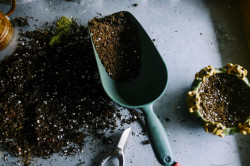
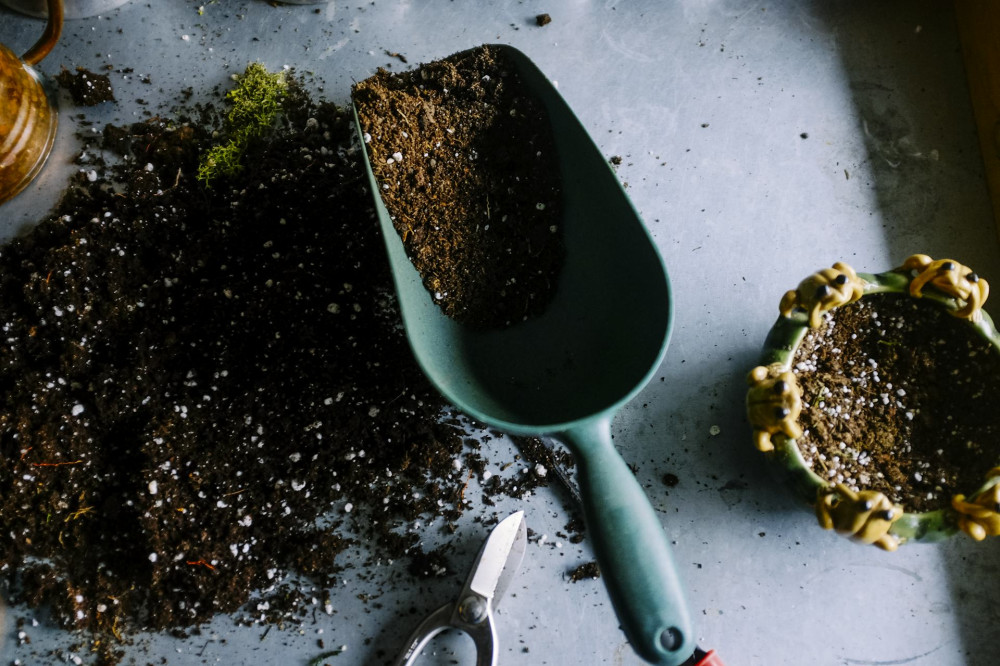
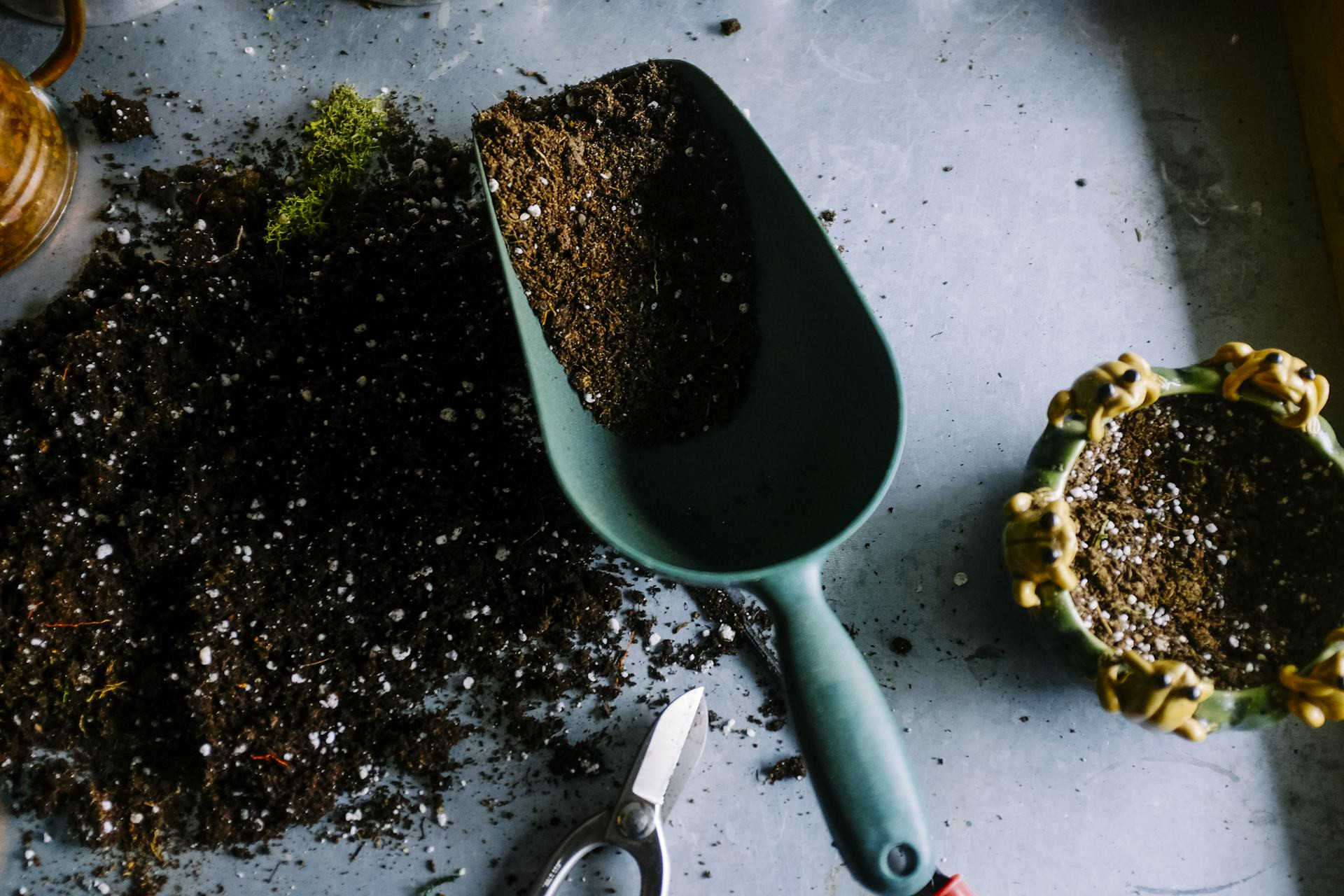
The most important step toward healthy soil is adding organic matter. This can include compost, well-aged manure, shredded leaves, grass clippings, or finely chopped plant material. Organic matter improves soil structure, increases its ability to hold water and nutrients, and feeds the microorganisms that make soil come alive.
- Compost is garden gold. It adds nutrients and beneficial microbes that break down organic material.
- Leaves and grass clippings make excellent mulch, protecting the soil from drying out while slowly releasing nutrients.
- Manure should be well-aged to avoid burning plants. It’s especially useful in vegetable gardens and around shrubs.
By adding organic matter each year, you’ll gradually build dark, crumbly soil that smells rich and full of life.
Cover crops and green manures
Cover crops—also known as green manures—are plants grown to improve the soil rather than to harvest. They capture nutrients, loosen compacted soil, and add organic matter when turned under. Common choices in the U.S. include clover, vetch, buckwheat, and rye.
After your summer harvest, sowing a cover crop in late summer or early fall helps protect the soil from erosion, keeps nutrients in place, and provides a lush green cover through the cooler months. When the plants die back, you can lightly till them in or leave them as mulch.
Structure and drainage
Healthy soil should hold moisture—but not too much. In heavy clay soils, improve drainage by adding coarse sand, fine gravel, or compost. Avoid working the soil when it’s wet, as this can destroy its structure and create hard clumps.
In sandy soils, the goal is the opposite: to increase water retention. Compost and a bit of clay soil can help. Mulching with bark, straw, or shredded leaves also reduces evaporation and keeps roots cool.
Earthworms are nature’s own soil improvers. Their tunnels aerate the soil and help distribute nutrients. A healthy worm population is a sure sign of living, fertile soil.
pH balance and liming
Most garden plants prefer a soil pH between 6 and 7, though some—like blueberries, azaleas, and rhododendrons—thrive in more acidic conditions. You can test your soil’s pH with an inexpensive kit from a garden center or your local cooperative extension office. If your soil is too acidic, adding lime can raise the pH and make nutrients more available to plants.
However, lime should be used sparingly. Too much can make the soil too alkaline and block certain nutrients. A light application every few years is usually enough.
Læs også:

Mulching – nature’s own protection
Keeping your soil covered year-round is one of the best ways to maintain its health. A layer of organic mulch—such as leaves, straw, wood chips, or compost—protects against drying, frost, and weeds. As it breaks down, it adds nutrients back into the soil.
In vegetable gardens, use grass clippings or straw between rows. In ornamental beds, bark mulch is a popular choice, especially around trees and shrubs. Mulching not only reduces maintenance but also supports a thriving soil ecosystem.
Patience and consistency
Soil improvement isn’t a one-time project—it’s an ongoing process. It takes time to build living soil, but the results are lasting. Plants become healthier, weeds are easier to manage, and your garden needs less watering and fertilizer.
By working with nature instead of against it, you’ll create a garden that’s full of life—a place where the soil isn’t just a base for plants, but the foundation of a vibrant, sustainable ecosystem.
Læs også: