Water Use and Energy – Understanding Their Connection in Home Heating

Water Use and Energy – Understanding Their Connection in Home Heating
When we think about energy use at home, electricity, heating, and insulation often come to mind. But water use plays a much bigger role than many realize. Every time you turn on the hot water, you’re not just using water—you’re also using energy to heat it. Understanding how water and energy are connected can help you save money and reduce your environmental impact.
Why Hot Water Uses Energy
Whenever you take a shower, wash dishes, or run the washing machine, the water has to be heated first. In most U.S. homes, this happens through a water heater powered by electricity, natural gas, propane, or sometimes solar energy. The more hot water you use, the more energy your water heater consumes.
According to the U.S. Department of Energy, heating water accounts for about 18% of a typical household’s energy use. That means even small changes—like shorter showers or washing clothes in cold water—can make a noticeable difference on your utility bills.
How Water Moves Through Your Home
To understand the link between water and energy, it helps to look at how water travels through your home:
- Cold water enters from the municipal supply or a private well, usually at a temperature between 50–60°F.
- Heating occurs in a water heater, where the temperature is raised to around 120°F.
- Use happens at faucets, showers, dishwashers, and washing machines.
- Drainage sends the warm water down the drain—along with the energy used to heat it.
So, when hot water runs out of the tap, both water and energy are literally going down the drain.
Læs også:

Small Changes, Big Impact
There are many ways to reduce both water and energy use without sacrificing comfort.
- Take shorter showers: A 10-minute shower can use 20–25 gallons of water. Cutting just a few minutes can save gallons of water and the energy to heat it.
- Install low-flow showerheads and faucets: These can reduce water use by up to 40% while maintaining good pressure.
- Lower your water heater temperature: Setting it to 120°F is usually sufficient for comfort and safety, and it prevents unnecessary energy use.
- Insulate pipes and the water heater tank: This reduces heat loss, especially if your water heater is in a basement or garage.
- Use energy-efficient appliances: ENERGY STAR® dishwashers and washing machines use less water and heat it more efficiently.
The Role of Technology and Smart Systems
Smart home technology makes it easier than ever to monitor and manage water and energy use. Smart water heaters can adjust heating schedules based on your habits, and leak detection systems can alert you to wasted water before it becomes a problem. Some systems even recover heat from drain water, reusing it to preheat incoming cold water—a technology that’s gaining popularity in new, energy-efficient homes.
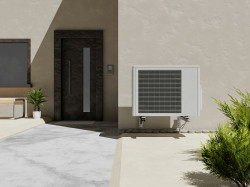
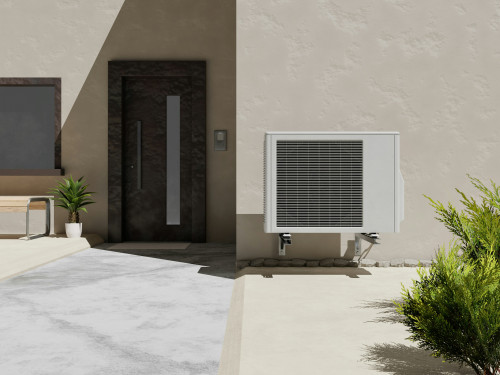
Heat pump water heaters are another innovation. They use electricity to move heat rather than generate it directly, making them two to three times more efficient than conventional electric models. For homes with solar panels, pairing a heat pump water heater with solar energy can further reduce costs and emissions.
Environmental Benefits of Using Less Hot Water
Reducing hot water use doesn’t just lower your bills—it also cuts greenhouse gas emissions. Heating water with natural gas or electricity from fossil fuels produces carbon dioxide. Even if your electricity comes from renewable sources, using less energy still helps reduce demand on the grid.
A typical U.S. household can save hundreds of pounds of CO₂ each year by combining water-saving fixtures with mindful habits. It’s a simple, effective way to contribute to a more sustainable future—starting right at home.
Seeing the Home as a Whole System
Thinking about water and energy together means viewing your home as an interconnected system. Reducing hot water use lowers energy demand, and improving insulation or upgrading appliances amplifies those savings.
By understanding this connection, you can make smarter choices—whether you’re adjusting daily routines or investing in new equipment. The result is a home that’s more efficient, more comfortable, and better for both your wallet and the planet.
Læs også: