Prepare Your Home for District Heating

Prepare Your Home for District Heating
As more U.S. communities explore sustainable energy solutions, district heating is emerging as a reliable and eco-friendly way to keep homes warm. This system, common in parts of Europe, is now gaining traction in American cities and campuses. If your neighborhood is planning to connect to a district heating network, preparing your home in advance will help ensure a smooth transition and long-term efficiency.
What Is District Heating and Why Choose It?
District heating delivers hot water or steam from a central energy plant through underground pipes to multiple buildings. The heat can come from renewable sources, waste heat from industry, or combined heat and power (CHP) plants that generate both electricity and heat.
For homeowners, district heating offers several advantages:
- Lower carbon footprint: It uses energy more efficiently and can integrate renewable sources.
- Stable and predictable heating costs: Prices are less affected by fluctuations in oil or gas markets.
- Low maintenance: Once connected, you no longer need to service a furnace or manage fuel deliveries.
Switching to district heating can also increase your property’s value and align your home with future energy standards.
Check Availability in Your Area
The first step is to find out whether district heating is available—or planned—in your community. Some cities, such as Boston, Seattle, and St. Paul, already have established networks, while others are developing pilot projects.
Contact your local utility, city energy office, or housing authority to learn about connection options and timelines. If your area is not yet connected, you may be able to register your interest, which helps planners gauge demand and prioritize expansion.
Assess Your Current Heating System
Before installation, take stock of your existing heating setup. If you currently use natural gas, oil, or propane, those systems will need to be disconnected when you switch to district heating.
A licensed HVAC contractor can evaluate whether your home’s radiators, baseboards, or in-floor heating can be reused. In many cases, existing systems can stay in place, but older or inefficient components may need upgrading to ensure optimal performance with the new heat source.
Læs også:

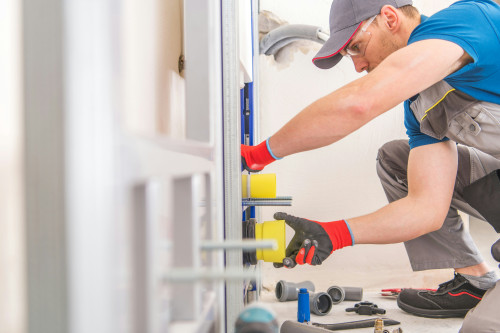
Prepare the Utility Room
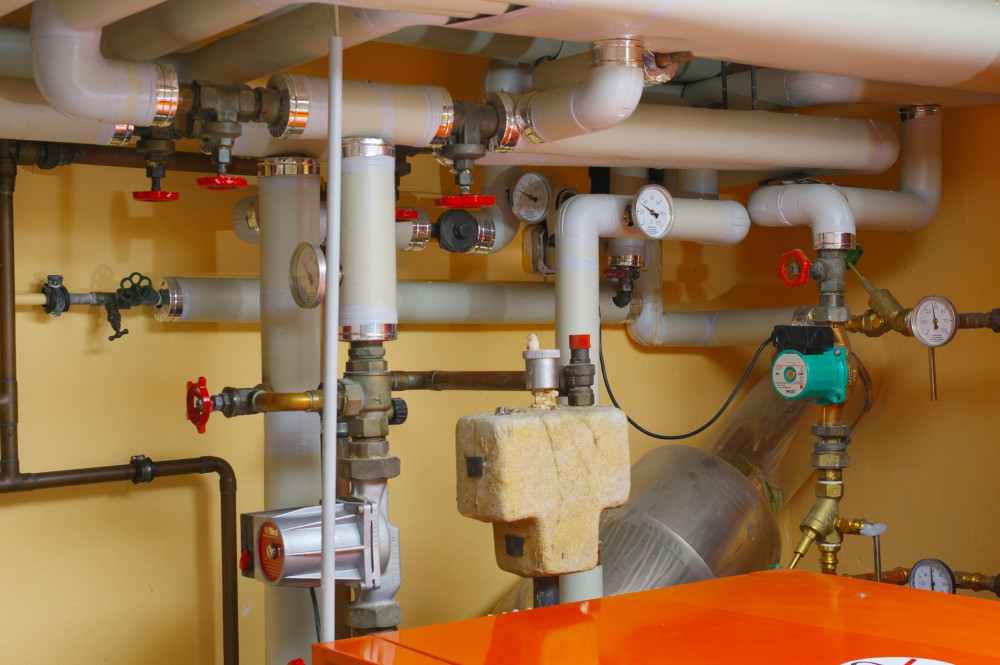
District heating systems typically require a heat exchanger unit, which transfers heat from the network to your home’s internal system. This unit is usually installed in a basement, utility room, or mechanical space.
Make sure the area is clean, accessible, and has adequate ventilation. Clear away old equipment and ensure there’s enough room for technicians to work safely. If possible, check that the floor can handle minor moisture and that there’s a nearby drain for maintenance purposes.
Improve Your Home’s Insulation
Even with an efficient heating source, good insulation is key to keeping energy costs low. Heat loss through poorly insulated walls, roofs, or windows can waste a significant portion of your energy.
Focus on:
- Attic and roof insulation
- Exterior walls and basement walls
- Windows and doors (consider double or triple glazing)
An energy audit can help identify where upgrades will have the biggest impact. Simple improvements like sealing air leaks or adding weatherstripping can make a noticeable difference.
Plan the Installation
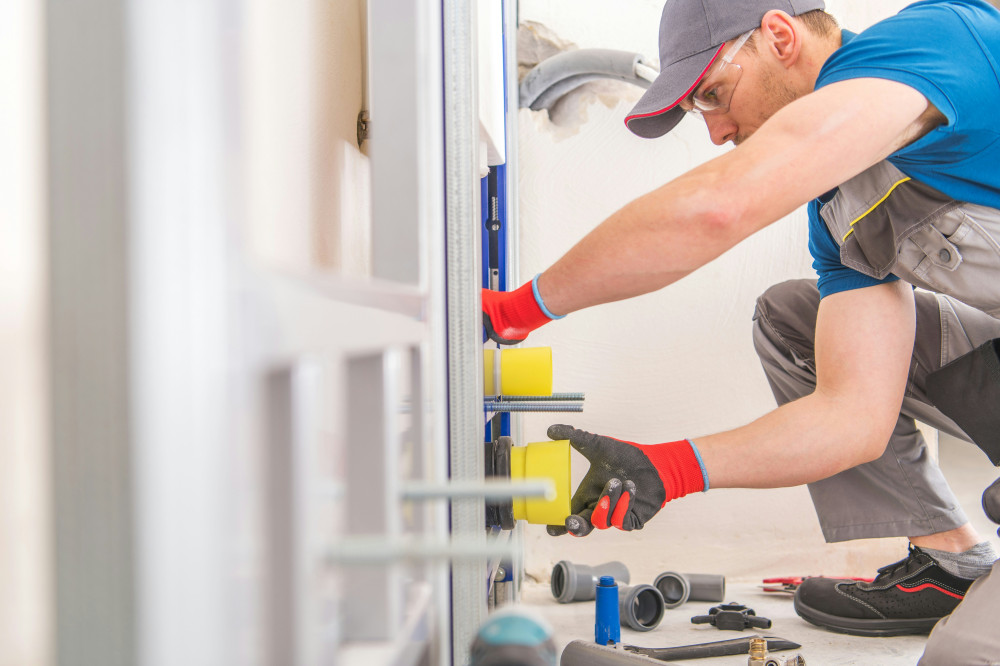
Once you’ve confirmed availability and prepared your home, coordinate with your local district heating provider and a certified installer. They will handle the connection to the main network and the installation of the heat exchanger.
It’s best to schedule the work outside the heating season—spring or summer—so you won’t be without heat during cold months. Ask your provider about potential rebates or incentives for switching to district heating; some state and federal programs support energy-efficient home upgrades.
After Installation: Getting the Most from District Heating
When your system is up and running, have it properly balanced and adjusted to ensure even heat distribution. Efficient operation depends on maintaining a low return temperature to the network, which helps conserve energy and reduce costs.
You can maximize efficiency by:
- Keeping indoor temperatures steady (around 68–70°F)
- Ventilating rooms briefly but effectively
- Avoiding furniture or curtains that block radiators
District heating systems require minimal maintenance, but it’s wise to have a professional inspection every few years to confirm everything is working as intended.
A Step Toward a Sustainable Future
Transitioning to district heating is more than a home improvement—it’s a commitment to cleaner, more efficient energy use. With proper preparation, you’ll enjoy reliable warmth, lower emissions, and potentially reduced heating bills for years to come.
By getting your home ready today, you’re helping build a more sustainable energy future for your community and the planet.
Læs også: