Stay Warm with Textiles and Furniture at Home

Stay Warm with Textiles and Furniture at Home
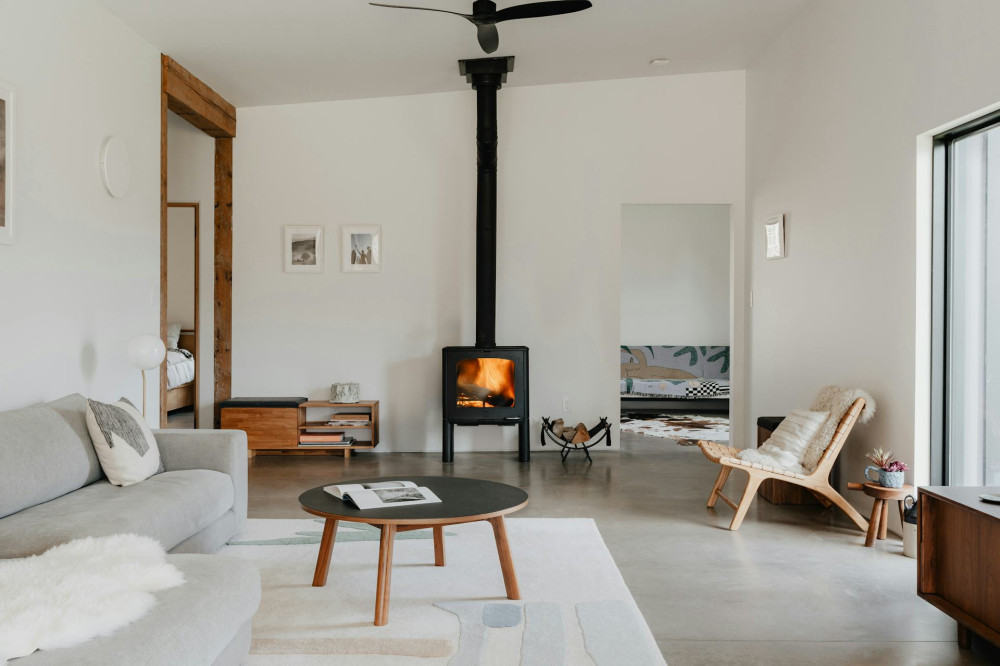
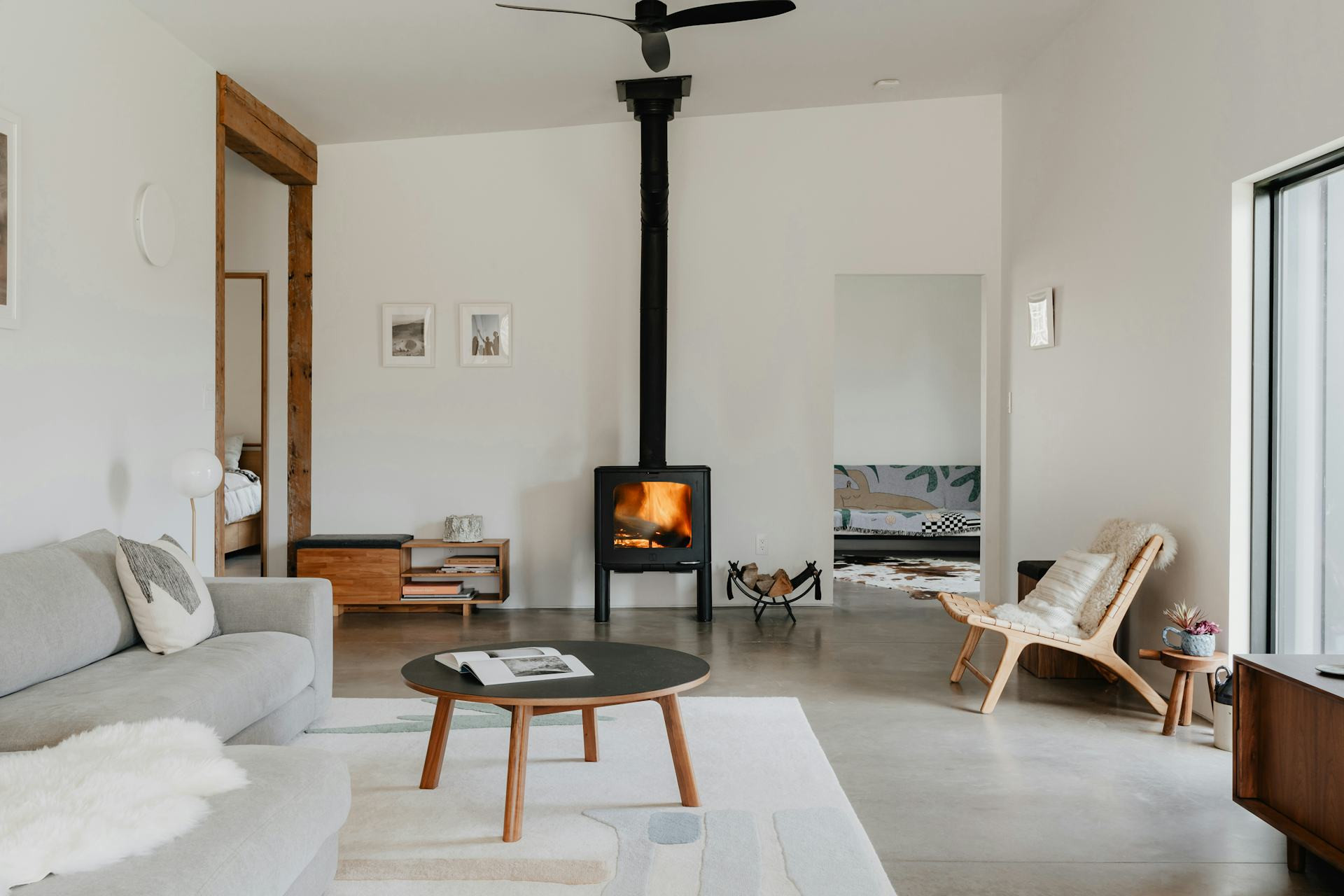
When winter sets in and heating bills start to climb, it’s worth thinking about how your home can stay warm—not just through the thermostat, but through the way you furnish and decorate it. Textiles and furniture play a bigger role in home comfort than many people realize. They can help insulate, reduce drafts, and create a cozy atmosphere that feels warm even when the temperature is turned down a notch. Here’s how you can use your home’s interior to stay comfortable all season long.
Textiles That Keep the Warmth In
Textiles are your home’s natural insulation. They trap heat, soften hard surfaces, and make rooms feel more inviting.
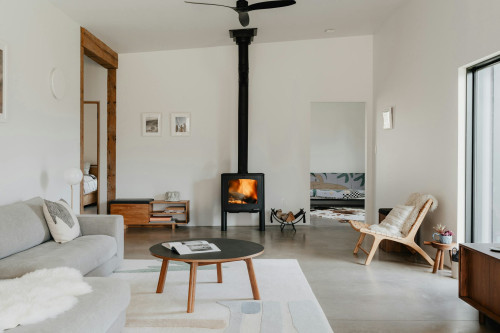
- Area rugs – A thick rug under the coffee table or beside the bed can make a noticeable difference. It keeps your feet off cold floors and adds a layer of warmth to the room.
- Heavy curtains – Lined or thermal curtains made of wool, velvet, or heavy cotton can reduce heat loss through windows. Close them at night to keep the warmth in, and open them during the day to let the sun’s rays naturally heat your space.
- Throws and pillows – Keep a few cozy throws on the sofa or in your favorite chair. Wool, fleece, and cotton are great options that provide warmth while still allowing the fabric to breathe.
Even small changes—like layering fabrics or adding a blanket to a chair—can make a big difference in how warm and comfortable your home feels.
Furniture Placement Matters
The way you arrange your furniture can help or hinder how heat circulates through your home. A well-thought-out layout can make your heating system more efficient.
- Keep space around heat sources – Avoid placing large furniture directly in front of radiators, vents, or baseboard heaters. A sofa or cabinet blocking a heat source can prevent warm air from spreading evenly.
- Avoid cold exterior walls – In older homes, exterior walls can feel chilly. Try pulling your bed or couch a few inches away from those walls to reduce the feeling of cold.
- Create cozy zones – Set up small, inviting corners with rugs, pillows, and soft lighting. These warm zones make it easier to stay comfortable without heating the entire house to the same temperature.
By paying attention to how your furniture interacts with your heating, you can make the most of the warmth you already have.
Materials That Feel Warm
Some materials naturally feel warmer and more inviting than others. Wood, wool, and fabric-covered surfaces tend to create a sense of comfort, while metal, glass, and stone can feel cool to the touch.
- Wood furniture – A solid wood dining table or bookshelf adds warmth to a room and retains heat better than metal or glass.
- Upholstered seating – Fabric-covered chairs and sofas feel cozier than leather, which can be cold in winter months.
- Natural textiles – Wool, linen, and cotton are excellent choices for cushions, blankets, and curtains. They help regulate temperature and contribute to a pleasant indoor climate.
Choosing materials that look and feel warm helps create a home that’s both stylish and comfortable.
Lighting and Colors That Add Warmth
While lighting and color don’t change the actual temperature, they strongly influence how warm a room feels. Warm tones like terracotta, gold, rust, and soft beige create a sense of comfort and coziness. Combine these with gentle, warm lighting—such as lamps with soft white or amber bulbs—to make your space feel more inviting.
Candles, string lights, and small lamps in corners can also enhance the feeling of warmth and make your home glow on dark winter evenings.
Læs også:

Simple Habits That Make a Big Difference
Staying warm isn’t just about décor—it’s also about daily habits. Close curtains at night, keep doors shut between warm and cool rooms, and wear slippers or thick socks indoors. These small actions, combined with thoughtful use of textiles and furniture, can make your home both warmer and more energy-efficient.
A Warm Home Is About Comfort
In the end, staying warm is about more than just the number on the thermostat. A warm home is one that feels comfortable and welcoming—a place where soft fabrics, natural materials, and thoughtful design come together to create a sense of well-being. With a few simple adjustments, you can make your home feel cozy and inviting, no matter how cold it gets outside.
Læs også: