Plan a Kitchen That Supports Sustainable Habits

Plan a Kitchen That Supports Sustainable Habits
A kitchen is more than a place to cook—it’s the heart of the home, where many of our daily habits take shape. That’s why the way you design and organize your kitchen can make a big difference in how easy it is to live sustainably. A well-planned kitchen can help you save resources, reduce food waste, and make greener choices part of your everyday routine. Here’s how to plan a kitchen that supports sustainable habits—through design, materials, and daily use.
Think Functionally—and Avoid Overconsumption
When planning a new kitchen, it’s tempting to go big and include every gadget imaginable. But sustainability often means choosing only what you truly need. A compact, well-organized kitchen can be both efficient and environmentally friendly.
Start by thinking about how you actually use your kitchen. How much storage do you really need? How many appliances sit unused in your cabinets? Designing around your real habits helps you avoid unnecessary materials and energy use—both during construction and in daily life.
Læs også:
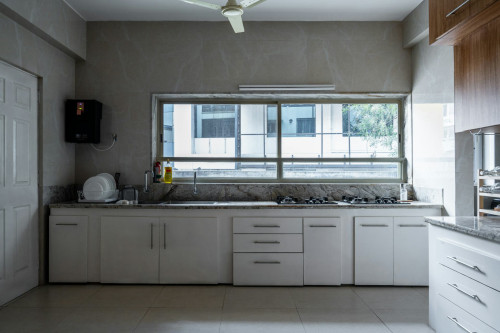
Choose Durable and Eco-Friendly Materials
The materials you choose have a major impact on your kitchen’s environmental footprint. Look for options that are responsibly produced and built to last. Solid wood, bamboo, recycled steel, and natural stone are durable choices that age beautifully and can be repaired instead of replaced.
If you prefer laminate or veneer, look for products certified by environmental standards such as FSC (Forest Stewardship Council). You can also give existing elements new life—refinish or repaint cabinets, replace hardware, or reuse countertops instead of starting from scratch.
Make Waste Sorting Simple
Recycling and composting are among the most tangible ways to live sustainably, but they only work if the system is easy to use. Plan space for multiple bins—ideally built into a pull-out cabinet under the sink or in a convenient drawer—so sorting becomes second nature.
Think about where you’ll store recyclables, compost, and items like batteries or light bulbs that need special disposal. The easier it is to manage waste, the more likely everyone in the household will stick with it.
Create Space for Food Storage and Planning
A sustainable kitchen also helps you cut down on food waste. Design your storage so you can easily see what you have. Clear containers, shallow shelves, and labeled jars make it easier to keep track of ingredients and avoid buying duplicates.
Consider adding a small planning area—a chalkboard, whiteboard, or digital screen—for meal planning and grocery lists. Planning ahead helps you use what you already have and shop more intentionally.
Choose Energy- and Water-Efficient Solutions
Modern appliances are far more efficient than older models, but there’s still a range of performance. When buying a refrigerator, dishwasher, or oven, look for the ENERGY STAR label. These appliances use less electricity and water, saving you money over time.
Install low-flow faucets and LED lighting to further reduce resource use. Small daily habits—like boiling only the water you need, covering pots while cooking, or air-drying dishes—can add up to meaningful savings.
Make Sustainability Part of Everyday Life
A sustainable kitchen isn’t just about design—it’s about habits. Build routines that make eco-friendly choices easy: use reusable shopping bags, store leftovers in glass containers, and compost food scraps. If you have space, grow herbs or microgreens on a windowsill—they add freshness to your meals and remind you of where your food comes from.
When sustainability becomes part of your kitchen’s rhythm, it feels natural rather than like an obligation.
A Kitchen That Lasts—for You and the Planet
Designing a sustainable kitchen doesn’t mean sacrificing style or comfort. In fact, it often results in a space that feels more personal, thoughtful, and timeless. By choosing durable materials, efficient appliances, and a layout that supports good habits, you create a kitchen that works for your lifestyle today—and helps protect the planet for tomorrow.
Læs også: