Kitchen for All Generations – How to Design a Functional and Sustainable Space

Kitchen for All Generations – How to Design a Functional and Sustainable Space
A kitchen is more than a place to cook. It’s the heart of the home — a space for connection, learning, and shared experiences across generations. A modern kitchen should therefore be not only beautiful and practical but also accessible, flexible, and environmentally responsible. Here’s how to design a kitchen that works for children, adults, and seniors alike — while keeping sustainability in mind.
Think in Zones and Flexibility
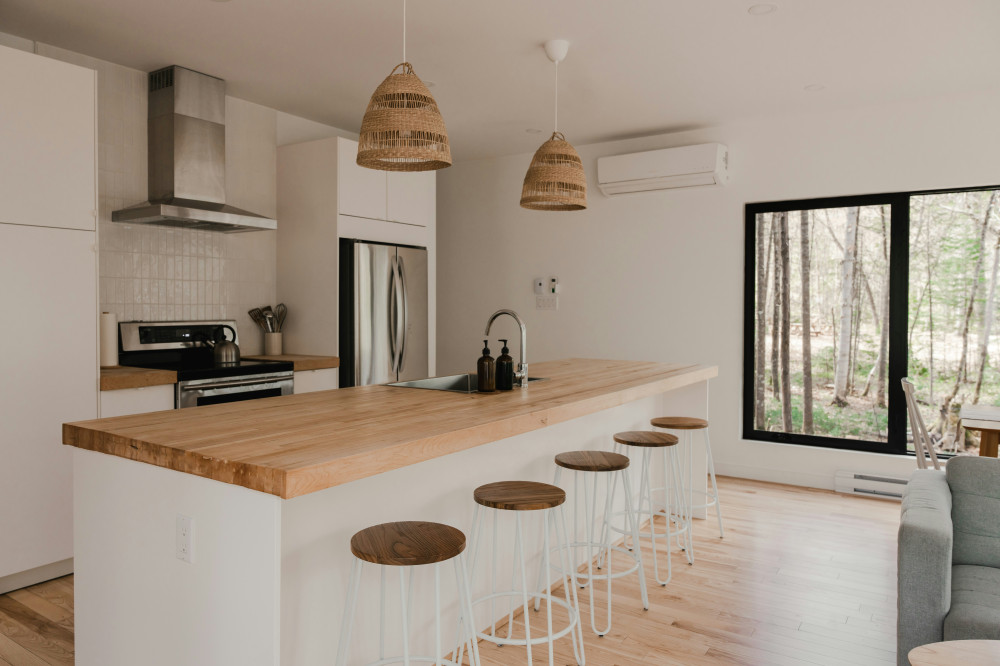
A multigenerational kitchen requires thoughtful planning. Instead of one central workspace, divide the kitchen into zones: one for cooking, one for prep, one for cleanup, and one for gathering. This layout allows several people to use the kitchen at once without getting in each other’s way.
Flexibility is key. Consider movable islands, pull-out counters, or adjustable-height work surfaces. These features make it easier for everyone to participate — from kids learning to chop vegetables to grandparents preparing family recipes. A lower counter can serve as a baking station for children, while taller surfaces suit adults.
Make It Safe and Accessible
When people of all ages use the kitchen, safety and accessibility are essential. Choose slip-resistant flooring, bright and even lighting, and storage that’s easy to reach. Instead of high overhead cabinets, opt for deep drawers with full extension so contents are visible and accessible.
For older adults, details like easy-grip handles, lever faucets, and rounded countertop edges can make a big difference. For children, safety means keeping sharp tools and cleaning products out of reach and providing sturdy step stools for supervised participation.
Sustainability in Materials and Choices
A sustainable kitchen goes beyond energy-efficient appliances. It’s also about choosing durable, eco-friendly materials that stand the test of time. Look for countertops made from recycled materials, responsibly sourced wood, or bamboo. Avoid finishes that require harsh chemicals to maintain.
Energy Star–rated appliances, LED lighting, and water-saving faucets are smart investments that reduce both environmental impact and utility bills. Include a well-organized recycling and composting station to make waste sorting easy for the whole family.
Create Space for Togetherness
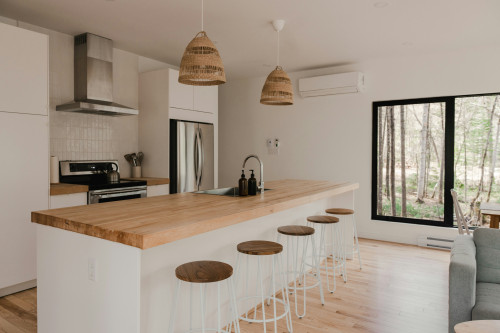
A kitchen for all generations should encourage connection. Incorporate a dining nook or seating area near the main workspace so family members can chat, do homework, or simply keep the cook company. It’s a place where kids can learn family recipes, grandparents can share stories, and friends can gather over coffee.
Pay attention to acoustics, especially in open-concept homes. Sound-absorbing materials like cork, fabric, or wood panels can reduce noise and make the space more comfortable for conversation.
Læs også:
Light, Color, and Atmosphere
Lighting and color influence both function and mood. Combine task lighting with ambient lighting to create a balanced environment. Use bright, focused light over work areas and warmer tones over dining spaces. Natural light from windows or skylights not only saves energy but also makes the kitchen feel more inviting.
Color can set the tone of the room. Neutral shades create a timeless look, while bold accents add personality. Let children help choose a color for a small area — it gives them a sense of ownership and joy in the space.
A Kitchen That Grows with Your Family
A functional and sustainable kitchen should evolve with your household. As children grow or older relatives move in, you can adjust zones, add assistive features, or modify counter heights. By designing with flexibility in mind from the start, your kitchen can adapt to changing needs for years to come.
Ultimately, a kitchen for all generations is about creating a welcoming space where everyone feels included — a place where food, conversation, and daily life come together in a sustainable and lasting way.
Læs også: