Choose Colors That Match Your Kitchen’s Style and Size

Choose Colors That Match Your Kitchen’s Style and Size
Color plays a powerful role in shaping the atmosphere of your kitchen. It influences how large or cozy the space feels and sets the tone for your daily routines. Whether you’re planning a full remodel or just refreshing cabinets and walls, choosing colors that fit both your kitchen’s style and size is key. Here’s how to find the right palette for your space.
Start with Your Kitchen’s Style
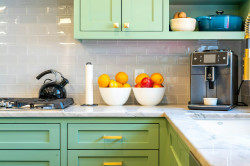
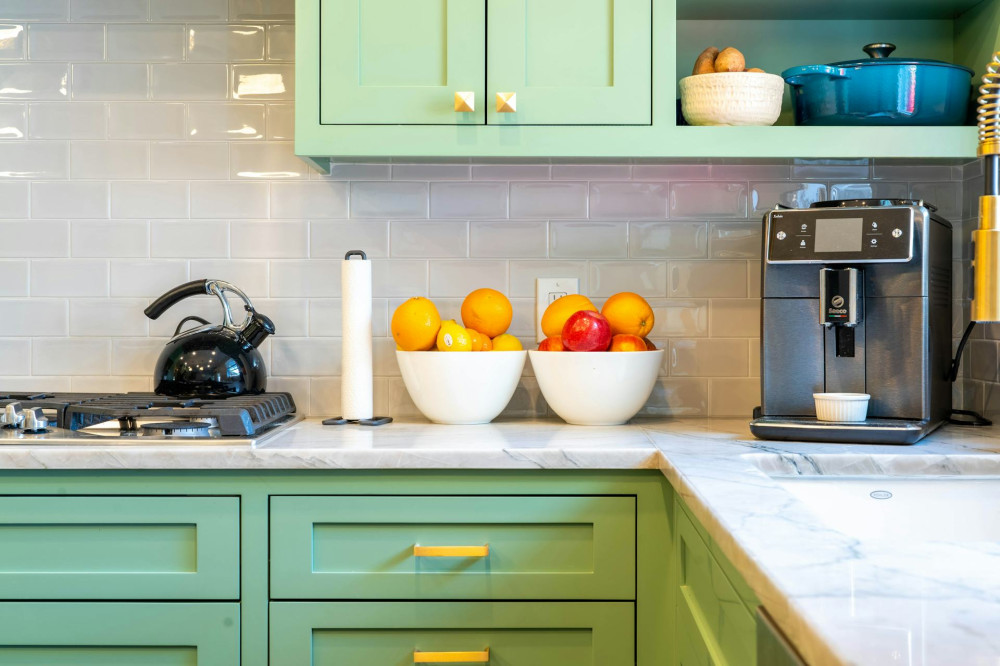
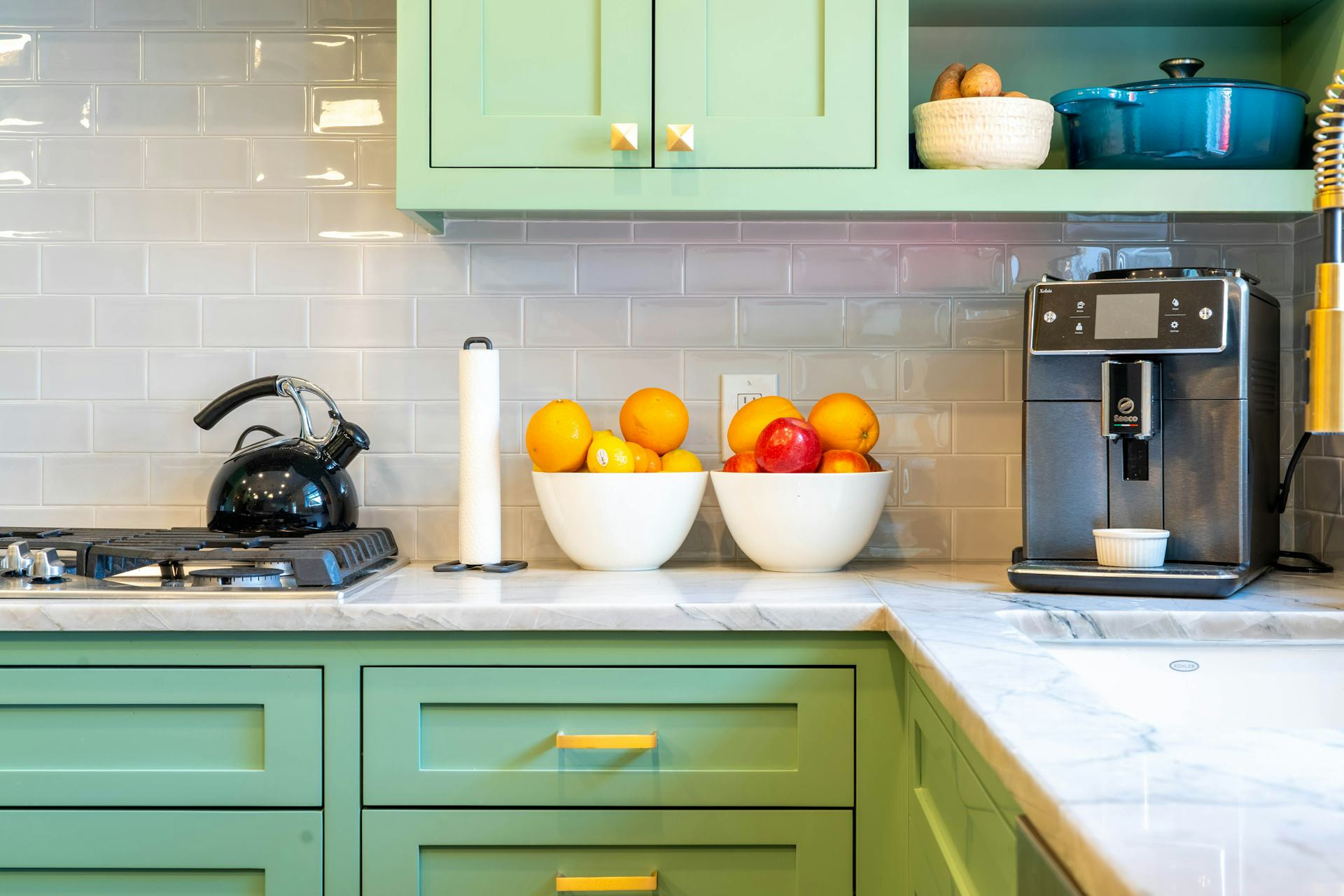
Your kitchen’s design style provides the foundation for your color choices. A traditional kitchen with shaker cabinets, crown molding, and natural wood details often looks best in warm, timeless shades—think creamy whites, soft greens, or muted blues. These colors highlight the inviting, classic feel of the space.
In a modern or contemporary kitchen with sleek surfaces and minimal hardware, you can be bolder. Deep charcoal, navy, or even matte black can create a dramatic, sophisticated look. If you prefer a lighter, more open feel, crisp whites and cool grays emphasize clean lines and simplicity. Decide whether you want a calm, unified look or a striking contrast—perhaps a colorful island or accent wall to add personality.
Consider the Size and Light of the Room
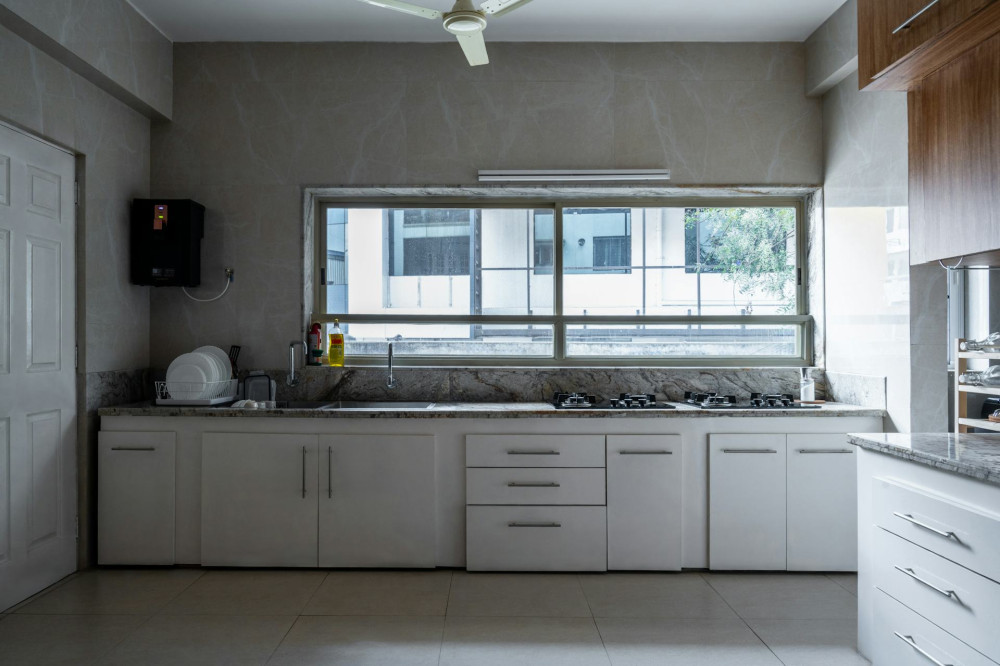
Color can dramatically change how big or small your kitchen feels. In compact kitchens, light colors help open up the space. Shades like white, pale gray, or soft beige reflect light and make the room feel airy. If you want color without overwhelming the space, try gentle pastels or light earth tones that add warmth without heaviness.
In larger kitchens, darker hues can make the space feel more intimate and grounded. Deep greens, navy blues, or graphite grays add depth and character. If your kitchen gets plenty of natural light—especially from large windows or skylights—you can confidently use darker tones without losing brightness.
Balance Walls, Cabinets, and Floors
A cohesive kitchen design depends on how colors interact across surfaces. If your cabinets are colorful, keep walls and floors more neutral so the cabinetry stands out. Conversely, a neutral kitchen can benefit from a bold wall color or patterned backsplash to add interest.
A helpful approach is to use tone-on-tone colors—different shades of the same hue—to create a calm, coordinated look. Or, for more energy, use complementary colors (opposites on the color wheel), such as blue cabinets paired with warm copper or terracotta accents.
Use Materials and Textures as Part of the Palette
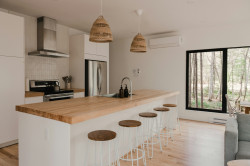
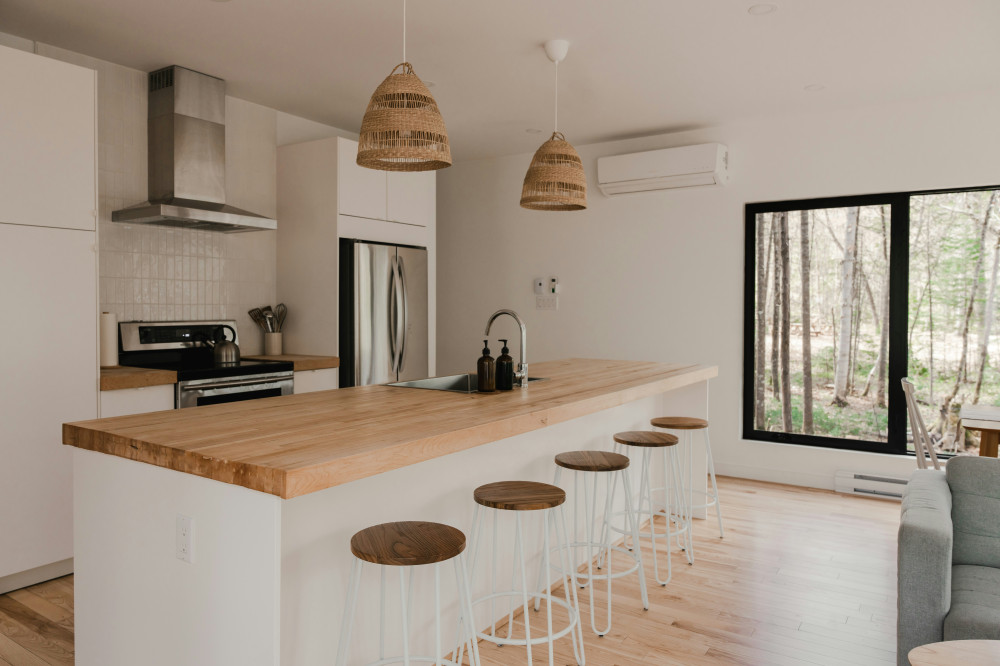
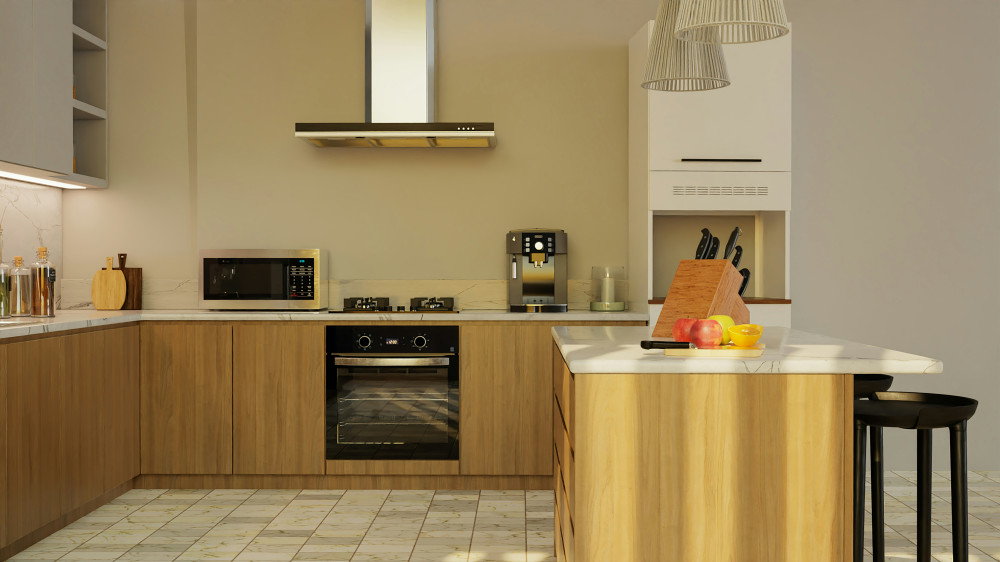
Color isn’t just about paint. Wood, stone, metal, and tile all contribute to your kitchen’s overall color story. A butcher-block countertop adds warmth to a white kitchen, while marble or stainless steel surfaces lend a sleek, modern edge.
Think about how these materials work together. Light cabinetry can gain depth from dark hardware or fixtures, while darker kitchens can be softened with light wood shelves or brass accents. Mixing textures—matte, glossy, rough, and smooth—adds visual interest and balance.
Let Lighting Bring It All Together
Even the perfect color can look off under the wrong lighting. Natural daylight, LED bulbs, and warm incandescent light all affect how colors appear. Always test paint samples in your kitchen’s actual lighting—both during the day and at night. Warm light enhances reds and yellows, while cool light emphasizes blues and grays.
Layered lighting also helps highlight your color choices. Under-cabinet lights, pendant fixtures over an island, and soft ambient lighting can all enhance depth and mood.
Make It Personal
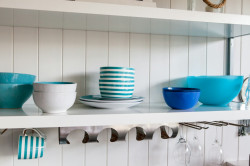
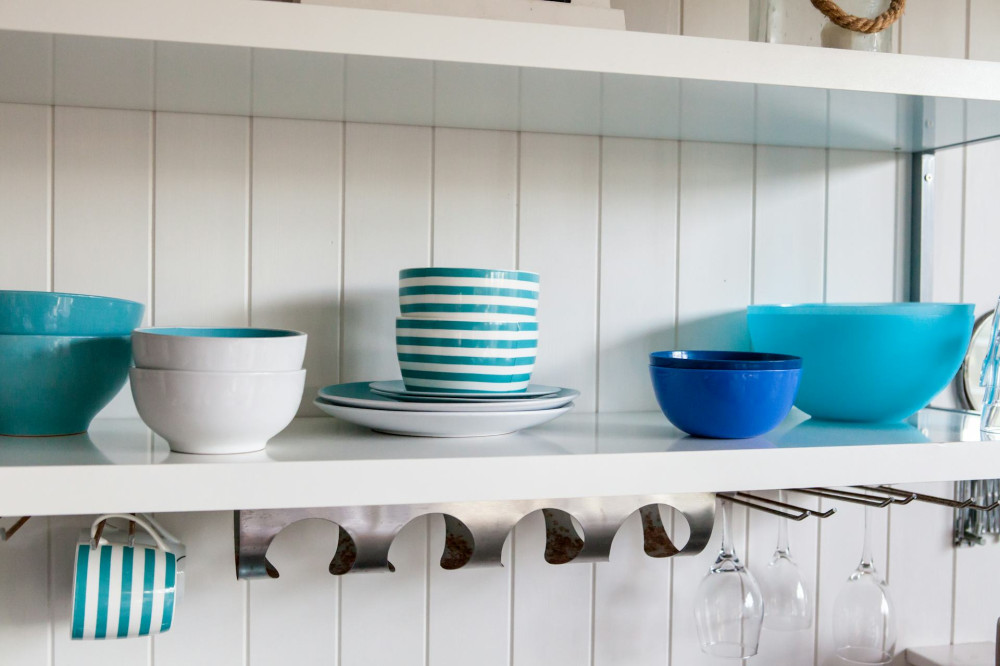
Trends come and go, but your kitchen should reflect your personality. Choose colors that make you feel comfortable and inspired. Maybe you love calm, coastal tones—or perhaps you’re drawn to bold, energetic hues. The goal is to create a space you enjoy spending time in every day.
If you’re unsure, start small: paint one wall, change cabinet hardware, or add colorful textiles. These simple updates let you experiment before committing to a full color overhaul.
Læs også:
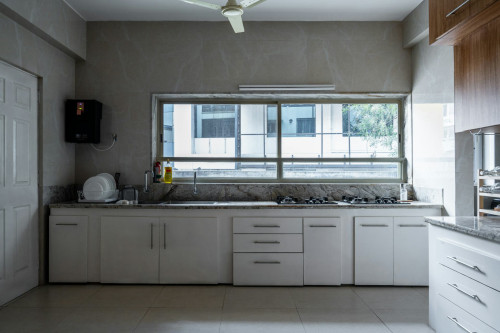
A Kitchen in Harmony
When color, materials, and light work together, your kitchen feels balanced and inviting. The right palette doesn’t just follow design rules—it enhances how you live in the space. With thoughtful color choices, even a small kitchen can feel open and bright, while a large one can feel warm and welcoming.
Læs også: