Paint Your Balcony to Withstand the Elements

Paint Your Balcony to Withstand the Elements
A balcony is a wonderful extension of your home — a small outdoor retreat where you can enjoy your morning coffee, read a book, or grow a few plants. But because it’s constantly exposed to sun, rain, snow, and wind, it needs regular maintenance to stay in good shape. A fresh coat of paint or protective finish can make a big difference, helping your balcony resist the elements and look great for years. Here’s a step-by-step guide to painting your balcony so it can handle the American climate, from humid summers to icy winters.
Start with a Thorough Cleaning
Before you even open a paint can, make sure your balcony is completely clean and dry. Dirt, mildew, and old paint can prevent new paint from adhering properly.
- Sweep and wash the surface with water and a mild detergent. Use a stiff brush to remove grime and debris.
- Remove mildew or algae with a cleaner designed for outdoor surfaces if you notice green or dark patches.
- Let it dry completely — ideally for a full day or two. Moisture trapped in the surface can cause bubbling or peeling later.
If your balcony is made of metal, use a wire brush or sandpaper to remove rust and flaking paint before you start.
Inspect for Damage
Once the surface is clean, check for any damage that needs repair. Cracks, loose boards, or rust spots should be fixed before painting.
- Wood balconies: Replace any rotted boards and fill small cracks with exterior wood filler.
- Metal balconies: Remove rust and apply a rust-inhibiting primer.
- Concrete balconies: Patch cracks with concrete repair compound and smooth the surface.
Good preparation is key to a long-lasting finish — this is where you set the foundation for years of protection.
Choose the Right Paint or Coating
The type of paint you choose depends on the material of your balcony and the local weather conditions.
- For wood: Use an exterior-grade paint or wood stain designed for horizontal surfaces. Look for a breathable formula that allows moisture to escape.
- For metal: Choose a rust-resistant metal paint. A primer is often necessary to ensure proper adhesion.
- For concrete: Use a weatherproof masonry or concrete paint that can handle moisture and temperature changes.
Always check the manufacturer’s recommendations for temperature and drying time — these can vary widely between products.
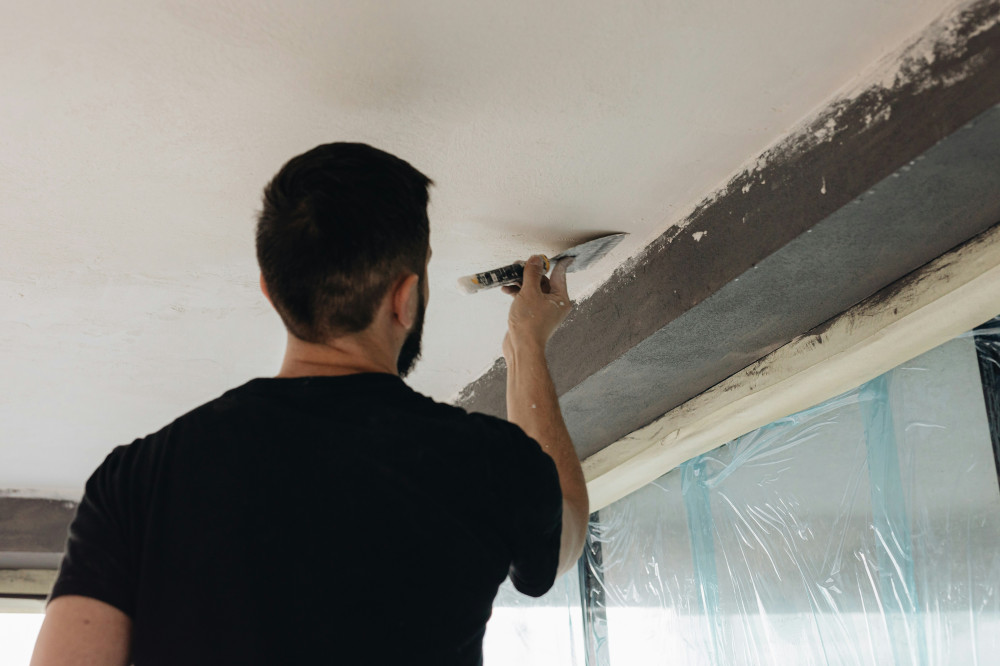
How to Paint Step by Step
When everything is ready, it’s time to paint. Work in dry weather, ideally when temperatures are between 50°F and 80°F.
- Lightly sand the surface to help the paint grip better.
- Apply primer if recommended for your material. This step improves durability.
- Paint the first coat using a brush or roller, making sure to reach corners and joints.
- Allow it to dry for the time specified on the label.
- Apply a second coat for even coverage and extra protection.
Avoid painting in direct sunlight or when rain is expected — both can affect how the paint dries and adheres.
Maintenance Tips to Keep It Looking Great
Even the best paint job needs a little upkeep. Inspect your balcony every spring and fall for signs of wear, peeling, or discoloration.
- Clean regularly to prevent dirt and mildew buildup.
- Touch up small areas as soon as you notice damage.
- Repaint every 3–5 years, depending on exposure to sun and moisture.
A well-maintained balcony not only looks better but also lasts longer and stays safer to use.
Læs også:

Make It a Fun Project
Painting your balcony doesn’t have to be just maintenance — it can also be a creative refresh. Try a bold color for the railing or a warm tone for the floorboards. Small design choices can completely change the atmosphere of your outdoor space.
Once the paint is dry, decorate with planters, string lights, or cozy furniture, and enjoy your renewed balcony. With the right preparation and care, your balcony will stand strong against the elements and remain a favorite spot year-round.
Læs også: