Eco-Friendly Disposal of Paint Waste and Cleaning Water

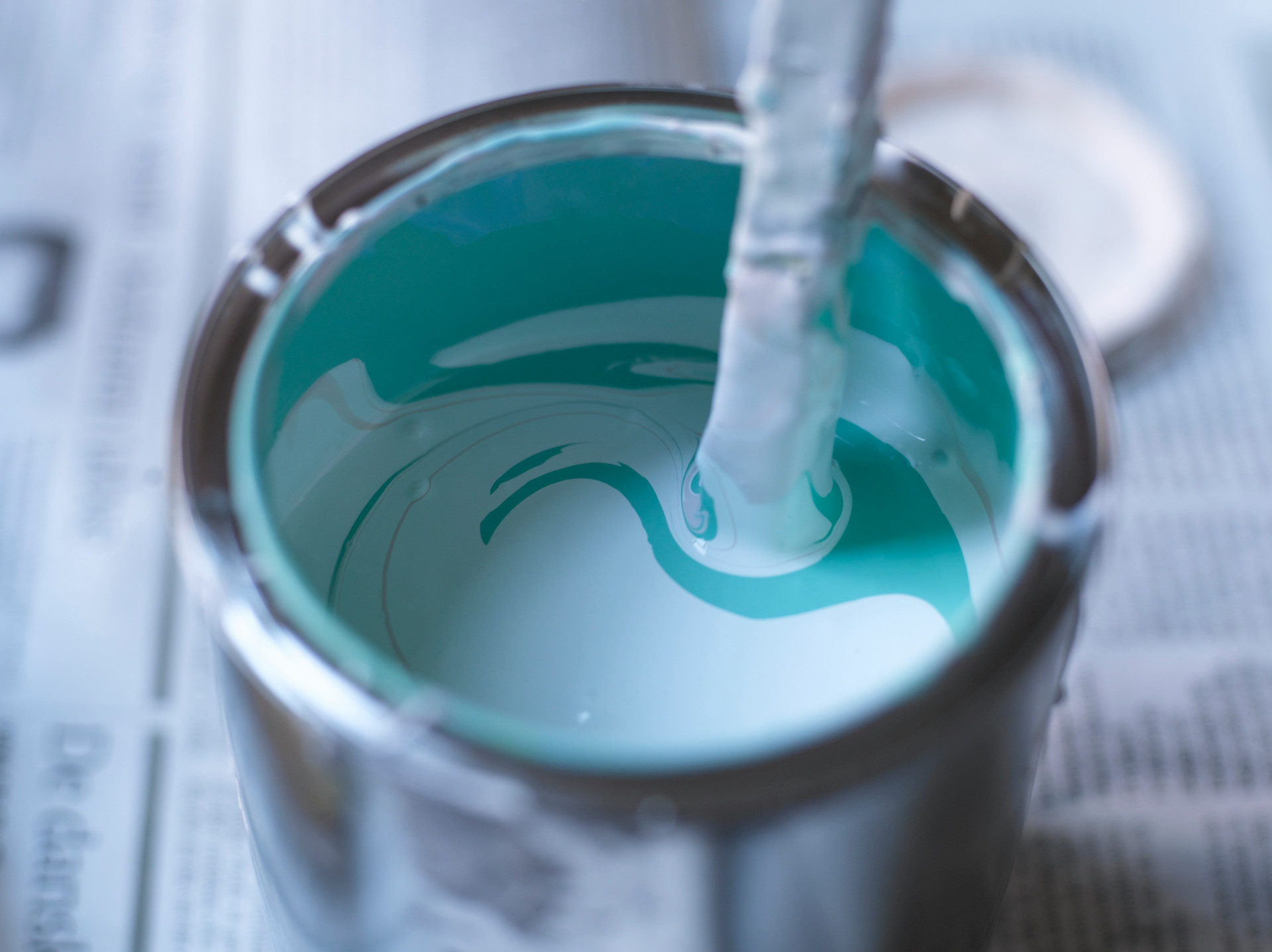
Eco-Friendly Disposal of Paint Waste and Cleaning Water
When you take on a painting project at home, you probably focus on colors, finishes, and getting that perfect look on your walls. But what happens afterward—when it’s time to clean brushes and deal with leftover paint—can have a big impact on the environment. Many people don’t realize that even small amounts of paint or rinse water can contaminate soil and waterways if poured down the drain. Fortunately, there are simple, eco-friendly ways to handle paint waste responsibly.
Why Paint Requires Careful Disposal
Paint contains chemicals that can harm the environment, even if labeled “water-based” or “eco-friendly.” Pigments, binders, and preservatives can be toxic to aquatic life and pollute drinking water sources. That’s why leftover paint, solvents, and rinse water should never be poured into sinks, toilets, or storm drains.
Just one gallon of paint-contaminated water can pollute thousands of gallons of clean water. Proper disposal isn’t just about following regulations—it’s about protecting your community and the planet.
How to Handle Leftover Paint
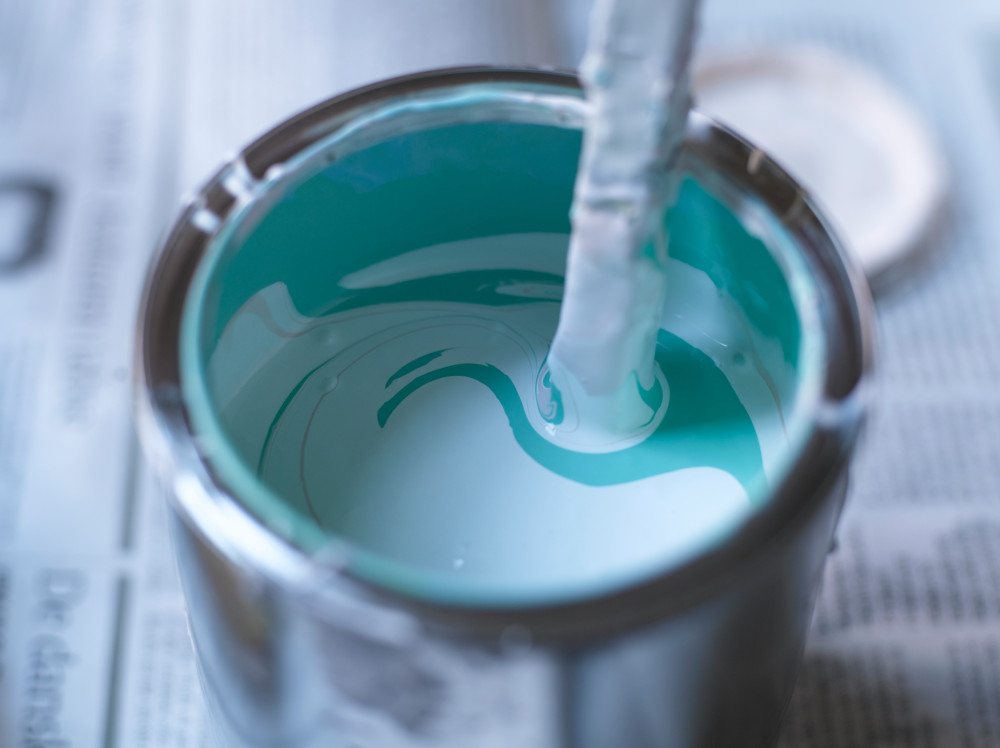
When your painting project is done, you may have some paint left in the can. Instead of throwing it away, consider these options:
- Save it for touch-ups. Transfer leftover paint into a smaller, airtight container and label it with the color and date. It’ll come in handy for future repairs.
- Share or donate. If you have more than you need, offer it to friends, neighbors, or local community projects. Many Habitat for Humanity ReStores and similar organizations accept usable paint donations.
- Take it to a paint recycling program. In many states, you can drop off leftover paint at participating retailers through the PaintCare program or at your local household hazardous waste (HHW) facility. These programs ensure that paint is reused, recycled, or disposed of safely.
Completely dried-out latex paint (with no liquid left) can often be disposed of with regular household trash, but check your local waste management guidelines first.
Cleaning Brushes and Rollers the Right Way
Cleaning tools is one of the biggest sources of paint-related pollution. When you rinse brushes under running water, paint residue goes straight into the wastewater system. Instead, try this:
- Wipe off excess paint. Use old newspaper or rags to remove as much paint as possible before washing.
- Use a cleaning bucket. Rinse brushes and rollers in a bucket of water instead of under the tap. Let the water sit until the paint solids settle to the bottom.
- Reuse the clear water. Once the paint has settled, pour off the clear water carefully and reuse it for the next cleaning.
- Dispose of the sludge properly. The paint residue at the bottom should be taken to a household hazardous waste collection site—never poured down the drain.
For oil-based paints, clean brushes with mineral spirits or paint thinner. These solvents are hazardous and must also be taken to a HHW facility for proper disposal.
Læs også:



Smart Habits for a Greener Paint Job
A few small changes can make your painting projects more sustainable:
- Plan your paint quantity. Buy only what you need—many paint stores can help you calculate the right amount.
- Choose reusable tools. Invest in quality brushes and rollers that can be cleaned and reused multiple times.
- Cover tools between coats. If you’re painting again the next day, wrap brushes and rollers in plastic wrap instead of washing them. This saves water and reduces waste.
- Select low-VOC or eco-certified paints. Look for paints labeled low-VOC, zero-VOC, or certified by programs like Green Seal or GREENGUARD for healthier indoor air and a smaller environmental footprint.
A Small Effort with a Big Impact
Properly disposing of paint waste and cleaning water doesn’t take much extra time, but it makes a significant difference. By keeping paint out of drains and taking leftovers to recycling or hazardous waste facilities, you help protect local waterways, wildlife, and drinking water. It’s a simple way to make your home improvement projects part of a more sustainable future.
Læs også: