Paint Walls and Ceilings Without Moving All the Furniture


Paint Walls and Ceilings Without Moving All the Furniture
A fresh coat of paint can completely change the look and feel of a room—but the idea of hauling every piece of furniture out can make even the most enthusiastic DIYer hesitate. The good news is that you can paint your walls and ceilings without emptying the room. With a bit of planning, the right tools, and some patience, you can get professional-looking results while keeping your furniture right where it is. Here’s how.
Preparation: Make Space and Protect What Stays
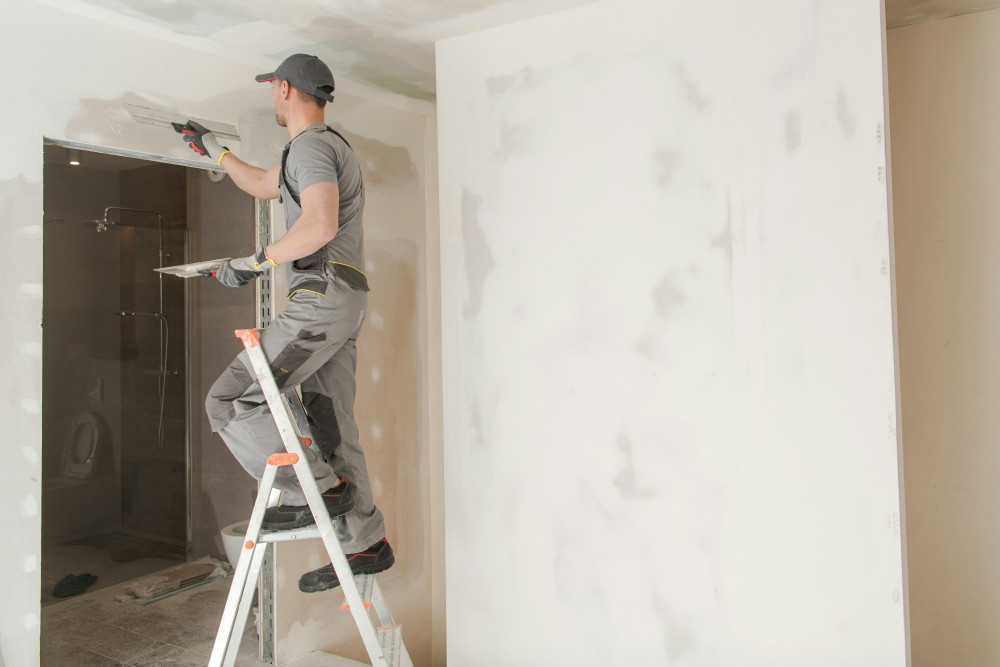
Start by creating as much open space as possible. Move large pieces—like sofas, beds, or bookcases—toward the center of the room. Cover them thoroughly with plastic sheeting or drop cloths to protect them from paint splatters and dust. Smaller items, lamps, and décor should be moved out of the room if possible, so you have clear access to the walls.
Lay down drop cloths or rosin paper on the floor and tape them securely along the edges. This will catch drips and make cleanup much easier. Don’t forget to cover outlets, baseboards, and window trim with painter’s tape.
A smart approach is to work in sections: paint one wall at a time so you can shift furniture around as you go, instead of having everything in the way at once.
Choose the Right Paint and Tools
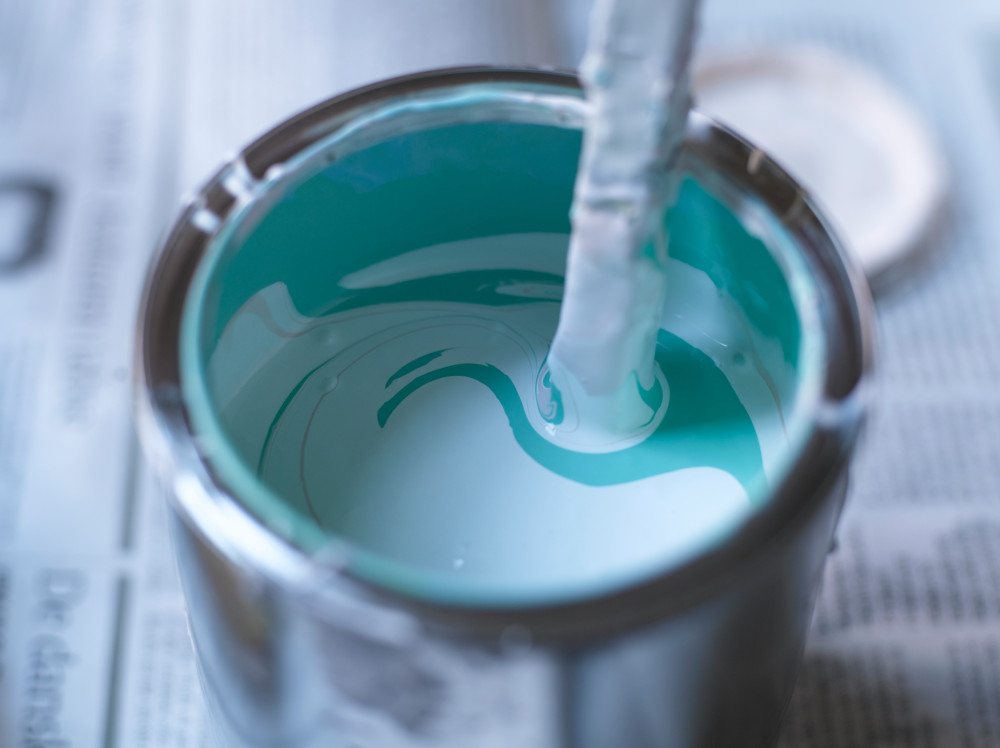
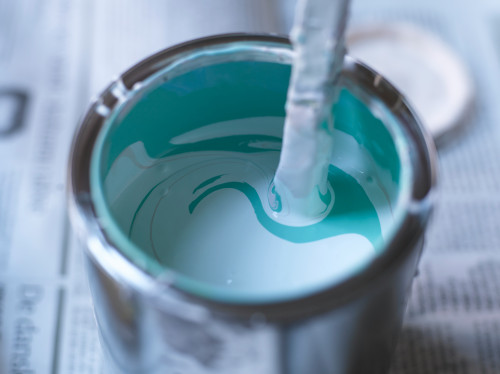
When painting in a furnished room, it’s especially important to choose paint that dries quickly and has low odor. A water-based latex paint is a great option—it’s easy to work with, dries fast, and emits fewer fumes than oil-based paints.
Use an extension pole for the ceiling so you don’t have to balance on a ladder between furniture. A quality angled brush for edges and corners, along with a roller on a telescoping handle, will make the job faster and more precise.
How to Paint Ceilings Without Emptying the Room
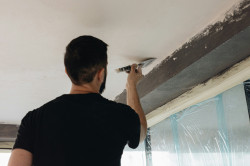
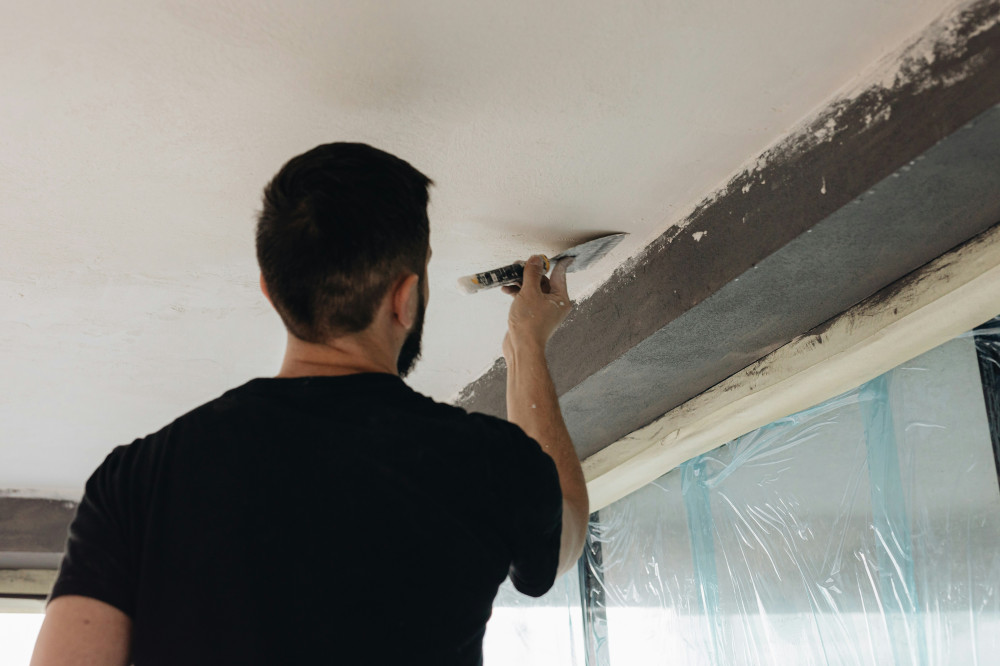
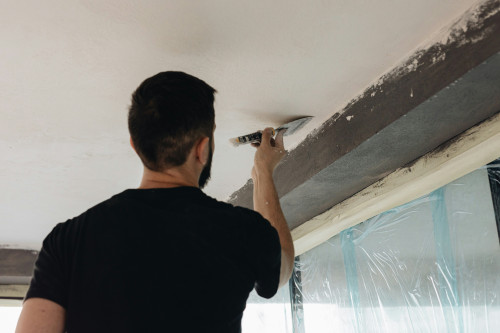
When painting the ceiling, protecting everything below is key. Make sure the plastic covering your furniture is pulled tight so paint doesn’t pool in folds. Start by cutting in along the edges with a brush, then use a roller to fill in the rest with long, even strokes. Work in the direction of the natural light from windows for a smoother finish.
If you’re painting both the ceiling and the walls, always start with the ceiling. That way, any drips won’t ruin freshly painted walls.
Paint the Walls in Stages
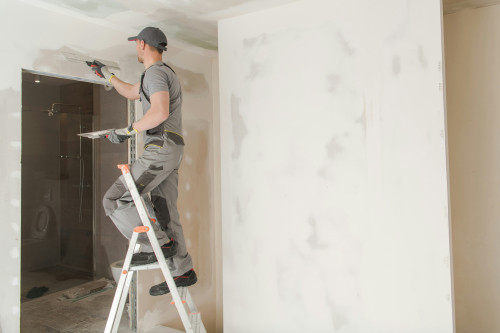
Once the ceiling is dry, move on to the walls. Shift furniture away from the wall you’re working on and cover the floor well. Use a brush to paint along edges and corners, then roll the larger areas. Work methodically so you don’t paint yourself into a corner.
When one wall is finished and dry, move the furniture back and start on the next. It takes a bit of coordination, but it’s far easier than clearing out the entire room at once.
Ventilate and Let the Paint Cure
Even though modern paints dry quickly, they still need time to cure fully. Keep the room well-ventilated during and after painting—especially if it’s a space you use daily. Open windows and doors to allow air to circulate.
Avoid pushing furniture right up against the walls for a couple of days to give the paint time to harden properly.
Small Details That Make a Big Difference
Painting in a furnished room is all about working smart. Here are a few extra tips:
- Use furniture sliders or caster cups to move heavy pieces easily without scratching the floor.
- Keep a damp cloth handy to wipe up any splatters right away.
- Paint in natural daylight so you can see coverage clearly.
- Consider paint-and-primer-in-one products to save time and reduce the number of coats needed.
With a little planning and care, you can achieve a beautiful, refreshed space without turning your home upside down.
Læs også:
A Fresh Room Without the Hassle
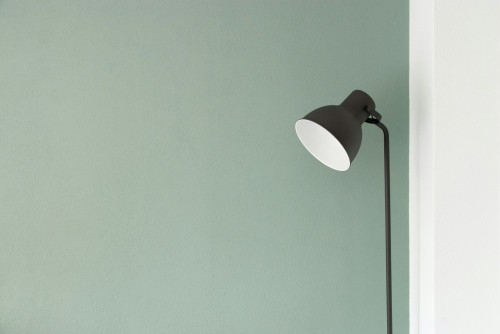
Painting your walls and ceilings doesn’t have to be a major ordeal. With smart preparation, good protection, and the right techniques, you can transform your space without moving every piece of furniture out the door. The result is a room that feels new, bright, and inviting—ready to enjoy as soon as the paint dries.
Læs også: