Make Your Small Bedroom Feel Bigger with the Right Lighting

Make Your Small Bedroom Feel Bigger with the Right Lighting
A small bedroom can easily feel cramped and dark, but with the right lighting, you can transform it into a space that feels open, calm, and inviting. Light doesn’t just affect how we see a room—it shapes how we experience it. By layering different light sources and thinking strategically about placement and color temperature, you can make even the tiniest bedroom feel more spacious and comfortable.
Start with Natural Light
Before you start planning lamps and fixtures, make the most of the natural light you already have. Daylight brings life to a room and makes colors appear more vibrant.
- Keep windows clear – avoid heavy drapes that block sunlight. Choose light fabrics like linen or sheer cotton instead.
- Use light colors around windows – white or pale walls reflect light and help it spread throughout the room.
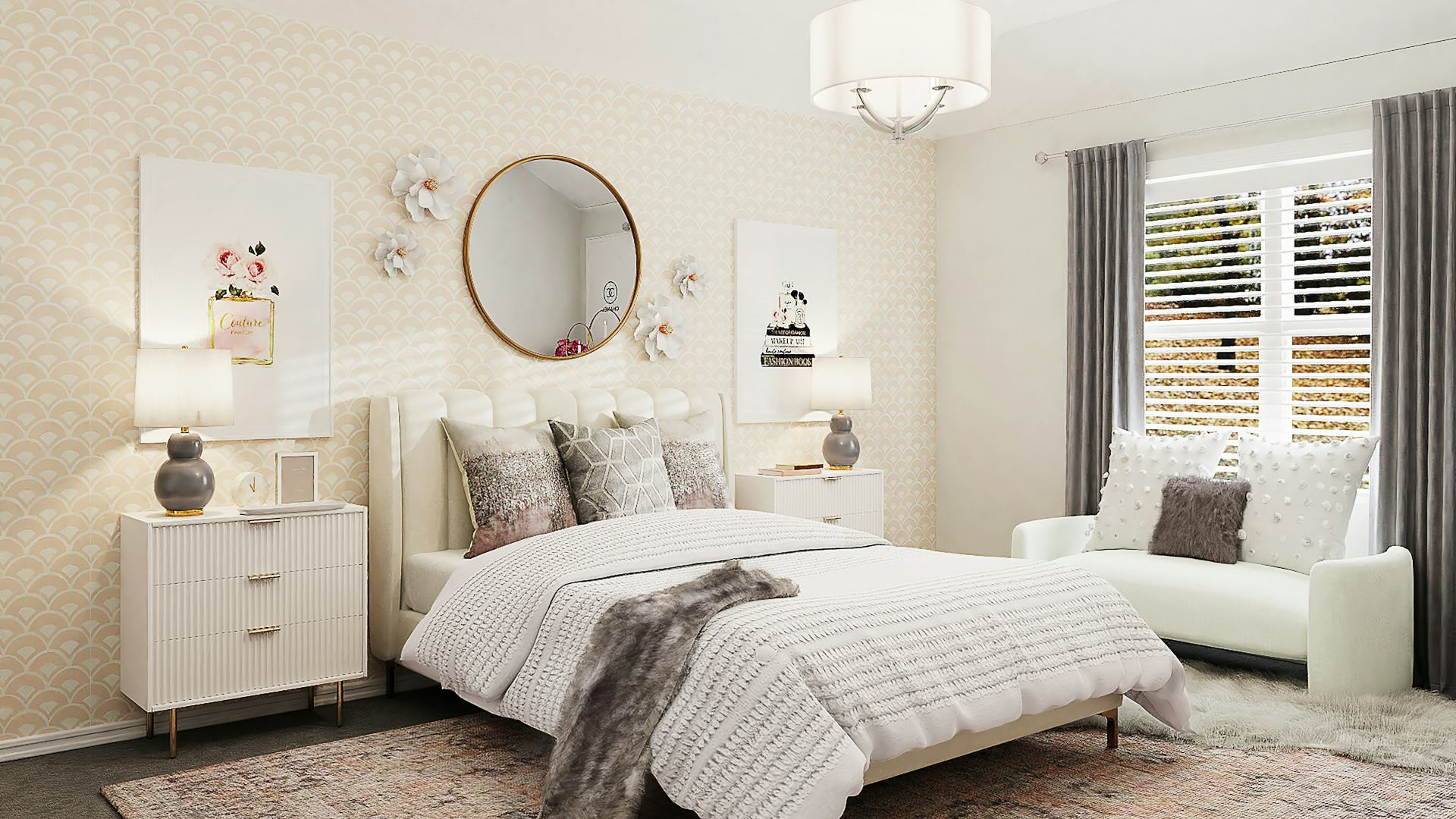
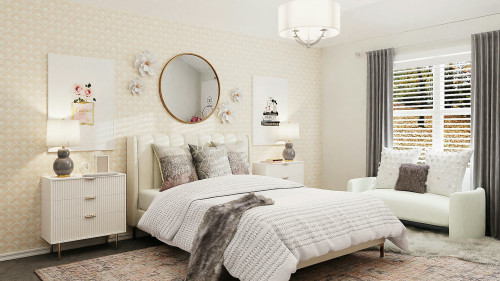
- Add mirrors – place a mirror where it can catch and reflect daylight back into the space. It instantly creates the illusion of more room.
Even small adjustments to how you handle natural light can make a big difference in how spacious your bedroom feels.
Layer Your Lighting
Good lighting design is all about creating layers that add depth and flexibility. In a small bedroom, you’ll want to combine three main types of light:
- Ambient lighting – the general light that fills the room, often from a ceiling fixture. Choose one that spreads light evenly but isn’t too harsh or cold.
- Task lighting – focused light for specific activities like reading or getting dressed. Wall sconces by the bed or spotlights near the closet work well.
- Accent lighting – smaller light sources that add warmth and personality, such as a bedside lamp, string lights, or soft backlighting behind a shelf.
When you layer these types of light, your eyes move naturally around the room, making it feel larger and more dynamic.
Læs også:
Choose the Right Color Temperature
Light comes in different color temperatures, measured in kelvins (K), and this has a big impact on mood.
- Warm light (2700–3000 K) creates a cozy, relaxing atmosphere—perfect for winding down at night.
- Neutral light (3500–4000 K) feels brighter and more natural, ideal for areas where you need clarity, like near a mirror or closet.
In a small bedroom, a mix of both works best. Use warm light near the bed and neutral light where you need visibility. The contrast adds balance and makes the space feel more alive.
Use Indirect Lighting to Add Depth
Direct light can sometimes feel harsh in a small room. Indirect lighting—where light bounces off walls, ceilings, or furniture—creates a softer, more spacious effect.
- Install LED strips behind the headboard or under a floating shelf to create a subtle glow.
- Use uplights that shine toward the ceiling to make the room feel taller.
- Place small lamps in corners to eliminate dark spots and visually widen the space.
Indirect light is especially effective for creating a calm, airy atmosphere without overwhelming the room.
Avoid Common Mistakes
When decorating a small bedroom, it’s easy to make lighting choices that actually make the space feel smaller:
- Relying on a single light source – one overhead light creates shadows and flattens the room.
- Using overly bright, cool light – it can feel sterile and uncomfortable.
- Choosing dark lampshades – they absorb light instead of spreading it.
- Mixing too many styles – mismatched lamps and cords can make the room look cluttered.
Instead, think cohesively: choose fixtures that complement each other in style and color, and make sure your lighting can be adjusted for different moods and times of day.
Add Personality with Small Details
Little touches can make a big impact. A dimmer switch lets you control brightness depending on the time or your mood. A fabric lampshade adds warmth, while a subtle string of fairy lights around a mirror can bring a touch of charm.
Also, consider how light interacts with your color palette. Light walls and bedding reflect light, while darker tones absorb it. By choosing soft, light hues and reflective materials, you can amplify the effect of your lighting and make the room feel more open.
Light as the Key to Calm and Space
A small bedroom doesn’t have to feel confined. With thoughtful lighting, you can create a space that feels both larger and more serene. It’s not about having the most lamps—it’s about using light intentionally to highlight, soften, and balance.
When you find the right mix of natural light, layered illumination, and warm tones, your bedroom won’t just look bigger—it will feel like a peaceful retreat you’ll love coming home to.
Læs også: