Bedroom Designed for Both Relaxation and Activity

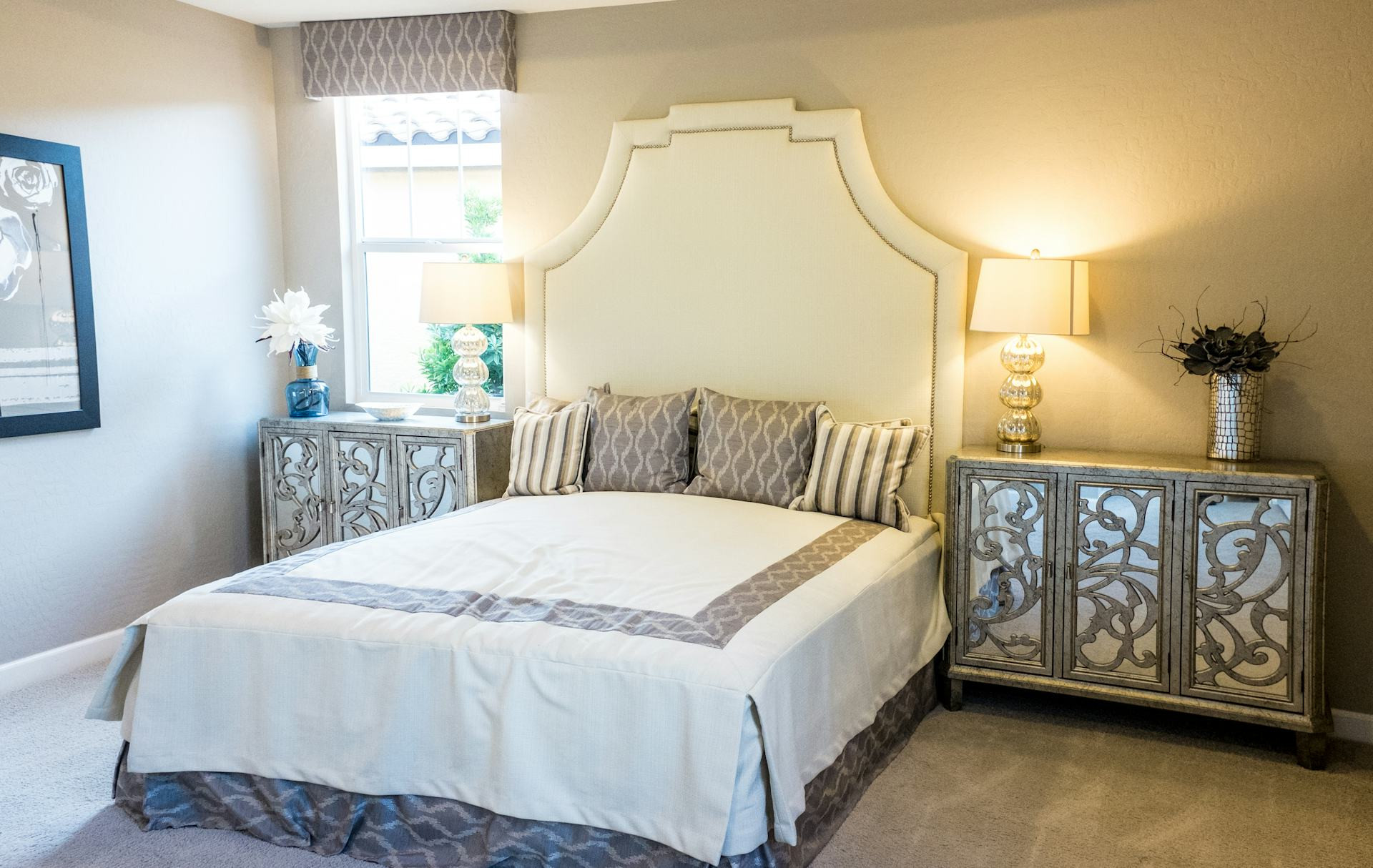
Bedroom Designed for Both Relaxation and Activity
The bedroom is one of the most personal spaces in any home – a place where we should be able to unwind and recharge. But for many Americans, the bedroom has become more than just a place to sleep. It’s also a space for reading, light exercise, meditation, or even remote work. The challenge is to create a balance between calm and activity so the room feels both peaceful and practical. Here’s how to design a bedroom that supports both rest and productivity.
Create Distinct Zones
A good starting point is to think in zones. Divide the room into areas with different purposes – for example, a sleeping zone, a reading or work zone, and perhaps a small movement zone if you like to stretch or do yoga at home.
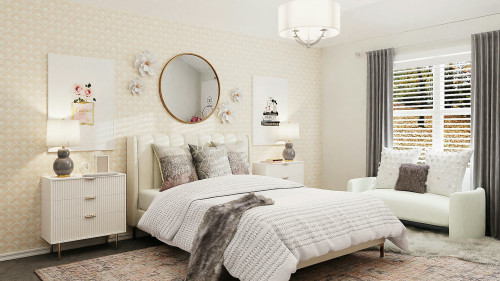
- The sleep zone should feel calm and free from distractions. Choose soft colors, cozy bedding, and warm, dimmable lighting around the bed.
- The activity zone can be defined by a small rug, a desk, or a comfortable chair. Here, brighter colors and more focused lighting can help you stay alert.
- Transitions between zones can be softened with plants, a screen, or a change in texture so the room still feels cohesive.
By organizing the space this way, you prevent your daily activities from interfering with your rest – and you get a room that works for every part of your day.
Colors and Materials That Support Both Moods
Color has a powerful effect on how we feel. In a multifunctional bedroom, the goal is to find a balance between soothing and energizing tones.
Neutral shades like beige, gray, or soft green create a sense of calm, while accents in brighter hues – perhaps in pillows, artwork, or a throw – can add personality and energy. Natural materials such as wood, cotton, and wool bring warmth and comfort, while touches of metal or glass can make the space feel more dynamic and modern.
Texture also matters: soft fabrics absorb sound and make the room feel inviting, while smooth surfaces give a clean, active look.
Lighting That Adapts to Your Needs
Lighting plays a key role in how a room feels. In the bedroom, you should be able to shift easily between different light levels depending on the time of day and activity.
- Soft lighting near the bed helps you wind down in the evening. Use lamps with warm tones and adjustable brightness.
- Task lighting at a desk or reading nook provides focus when you need to be productive.
- Natural light is essential for well-being – make sure your curtains can open fully during the day but also block light effectively at night.
With flexible lighting, you can move seamlessly from morning motivation to evening relaxation.
Furniture That Works Overtime
In a bedroom that serves multiple purposes, multifunctional furniture is your best friend. A bench at the foot of the bed can double as storage, seating, or a workout surface. A compact desk can serve as both a vanity and a workspace.
Lightweight or foldable furniture makes it easy to reconfigure the room as needed. This way, you can create space for activity without sacrificing the calm atmosphere that’s essential for rest.
Keep It Organized – and Peaceful
A serene bedroom depends on order. Clutter can quickly create stress, especially if the room doubles as a workspace. Use closed storage, baskets, and drawers to keep things out of sight when not in use.
Establish simple routines, like clearing your desk before bedtime, to help your mind transition from activity to rest. A tidy space makes it easier to relax and sleep well.
Læs også:
A Room That Fits Your Rhythm
Designing a bedroom for both relaxation and activity is ultimately about creating a space that fits your lifestyle. Maybe you like to start the day with a quick workout, or perhaps you need a quiet corner for reading or working from home. Whatever your routine, thoughtful choices in color, lighting, and layout can help you build a room that supports both calm and energy – a personal retreat that works around the clock.
Læs også: