Bedroom Comfort for Seniors – Small Changes with a Big Impact

Bedroom Comfort for Seniors – Small Changes with a Big Impact
A comfortable bedroom is about more than just style – it’s about well-being, safety, and functionality. For older adults, small adjustments can make a big difference in sleep quality and daily comfort. As we age, our bodies change, and the need for support, security, and calm becomes more important. The good news is that creating a bedroom that’s both cozy and practical doesn’t have to be expensive or complicated.
The Bed – The Heart of the Bedroom
The bed is the centerpiece of the room, and it should be tailored to individual needs. A good bed provides proper support for the back and joints while making it easy to get in and out.
- Choose the right height: A bed that’s too low can be difficult to rise from. A height of about 20–24 inches from the floor works well for most people, allowing feet to rest flat on the ground when sitting on the edge.
- Consider an adjustable bed: Being able to raise the head or foot of the bed can relieve back pain, swelling, or breathing difficulties.
- Select a supportive mattress: A medium-firm mattress suits many, but the key is that it supports the body’s natural curves. Try different options, and remember that mattresses typically need replacing every 8–10 years.
Soft bedding and pillows add comfort, but avoid too many layers that make the bed heavy or hard to manage.
Thoughtful Lighting
Vision often changes with age, so lighting plays a crucial role in both comfort and safety. A well-lit bedroom should include both functional and ambient light sources.
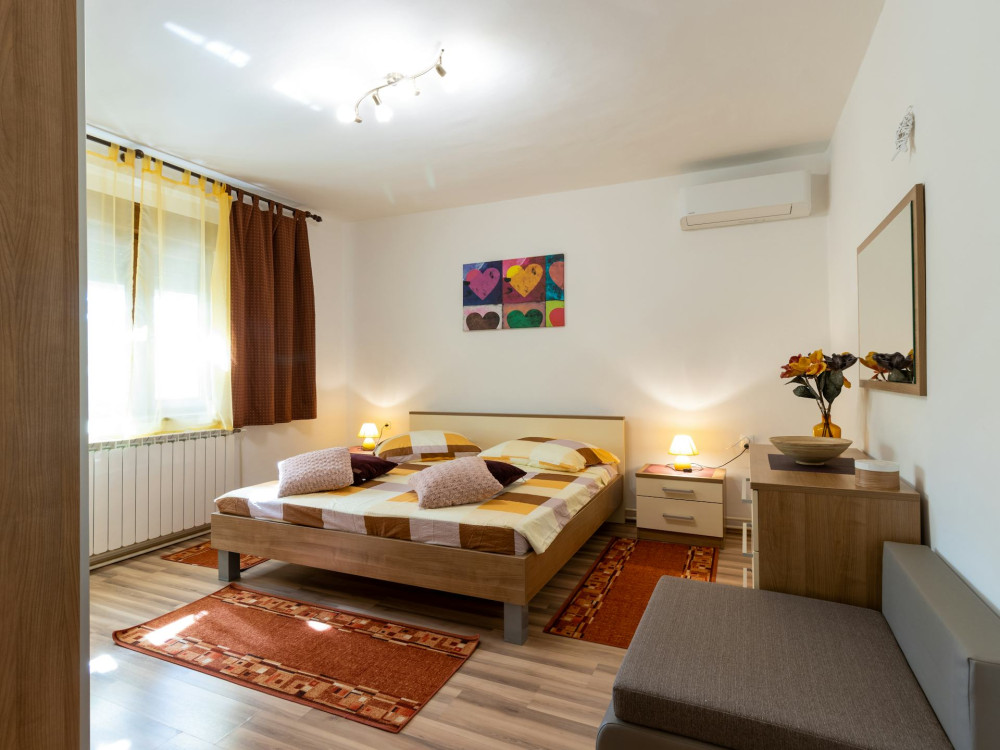
- Bedside lamps with soft light make it easier to see at night without fully waking up.
- Motion-sensor lights can automatically turn on when getting out of bed, reducing the risk of falls.
- Overhead lighting should be bright enough for dressing or cleaning but dimmable for a relaxing evening atmosphere.
Warm LED bulbs (around 2700 kelvin) are ideal, as they mimic natural evening light and support healthy sleep rhythms.
Safety and Accessibility
A safe bedroom allows free movement without the risk of tripping or falling. Simple changes can make a big difference.
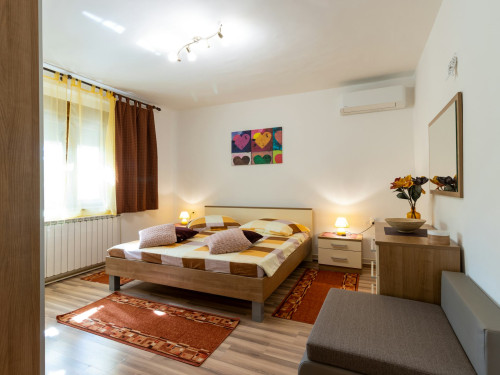
- Remove loose rugs or use non-slip mats.
- Keep pathways clear between the bed, door, and bathroom.
- Install grab bars or support handles if balance is an issue.
- Add a low night light to guide the way to the bathroom.
A sturdy nightstand with space for glasses, a phone, and a water glass keeps essentials within easy reach.
Læs også:


Temperature and Air Quality
Older adults are often more sensitive to temperature changes. The bedroom should be easy to keep at a comfortable level.
- Keep the temperature around 65–68°F for optimal sleep.
- Ensure good ventilation – open a window when possible or use an air purifier to maintain fresh air.
- Choose bedding made from natural materials like cotton or wool, which help regulate body temperature.
A weighted blanket can provide a sense of security, but it should still be light enough to move comfortably.
Small Details That Make a Big Difference
Comfort is also about atmosphere. A bedroom that feels pleasant and personal can improve both mood and sleep quality.
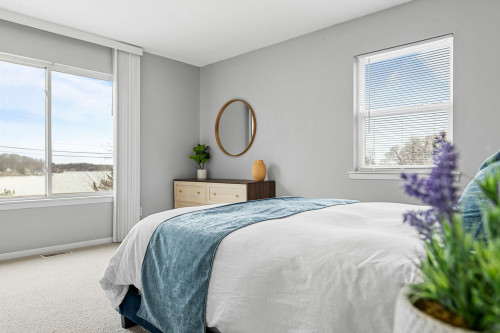
- Use calming colors such as soft blues, greens, or neutrals to create a peaceful environment.
- Add personal touches – family photos, a favorite book, or a small plant – to make the space feel inviting.
- Include a chair or bench for sitting while dressing or putting on shoes.
Even small updates, like rearranging furniture for better flow or replacing heavy curtains, can make daily life easier and more enjoyable.
A Bedroom That Supports a Good Life
A comfortable bedroom isn’t a luxury – it’s an investment in quality of life. When the environment supports the body’s needs, it’s easier to sleep well, wake refreshed, and feel secure. For seniors, that can mean more energy, less pain, and greater independence.
Small changes truly can have a big impact – and the best place to start is where every day begins and ends: in the bedroom.
Læs også: