What Defines Good Living Room Lighting?

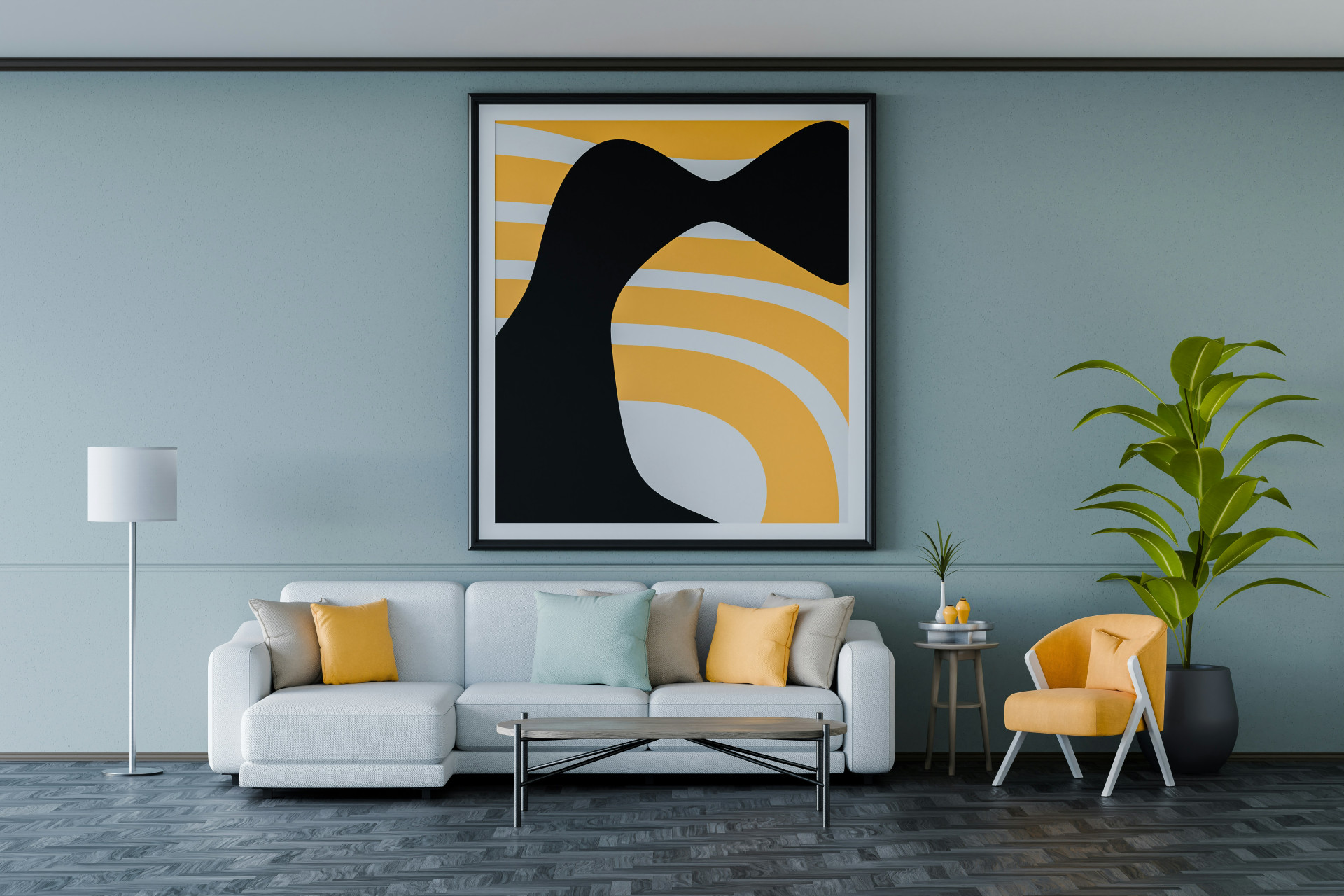
What Defines Good Living Room Lighting?
The living room is the heart of the home — a space for relaxing, watching TV, reading, working, and spending time with family and friends. Because it serves so many purposes, the lighting needs to be flexible and layered. Good living room lighting isn’t just about brightness; it’s about creating atmosphere, balance, and functionality. Here’s a guide to what defines great living room lighting — and how to achieve it in your own home.
Layered Lighting – The Golden Rule
A well-lit living room rarely relies on a single fixture. Instead, it’s about combining multiple light sources that work together to create a comfortable and adaptable environment. Generally, lighting can be divided into three main types:
- Ambient lighting – the overall illumination that provides a base level of light throughout the room. This might come from ceiling fixtures, recessed lights, or an uplight that reflects off the ceiling.
- Task lighting – focused light for specific activities, such as a reading lamp by the sofa or a desk lamp in a work corner.
- Accent lighting – softer, decorative light that adds warmth and depth. Think of table lamps, wall sconces, or LED strips behind the TV.
When you layer these types of lighting, you create a space that’s both practical and inviting — one that can shift in mood and function throughout the day.
Choose the Right Brightness and Color Temperature
Light quality matters as much as quantity. For living rooms, warm white light (around 2700–3000 Kelvin) creates a cozy, relaxing atmosphere. Cooler light can feel harsh and clinical, which is better suited for kitchens or workspaces.
Varying brightness levels is key. Dimmable fixtures let you adjust the light to suit the moment — bright for cleaning or playing games, softer for movie nights or quiet evenings. Look for LED bulbs with a high color rendering index (CRI above 90) to ensure that colors in your furniture, art, and décor appear natural and vibrant.
Placement Makes the Difference
Where you place your lights has a huge impact on how the room feels. A single overhead fixture often produces flat, unflattering light. Instead, spread light sources around the room to create depth and visual interest.
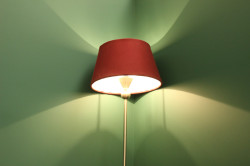
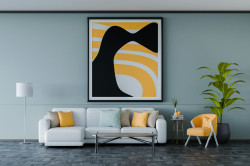
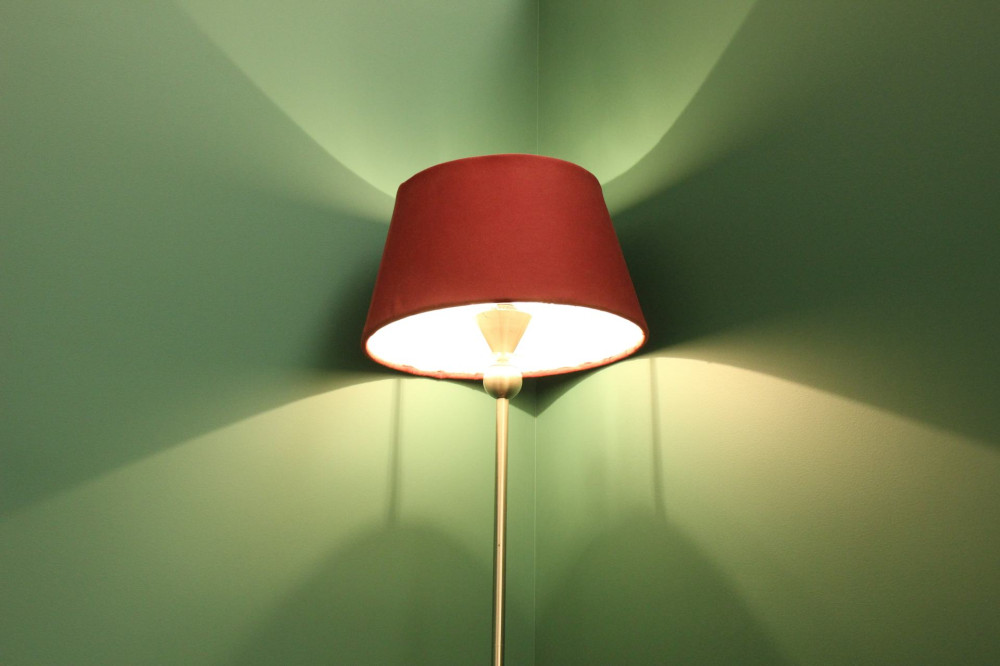
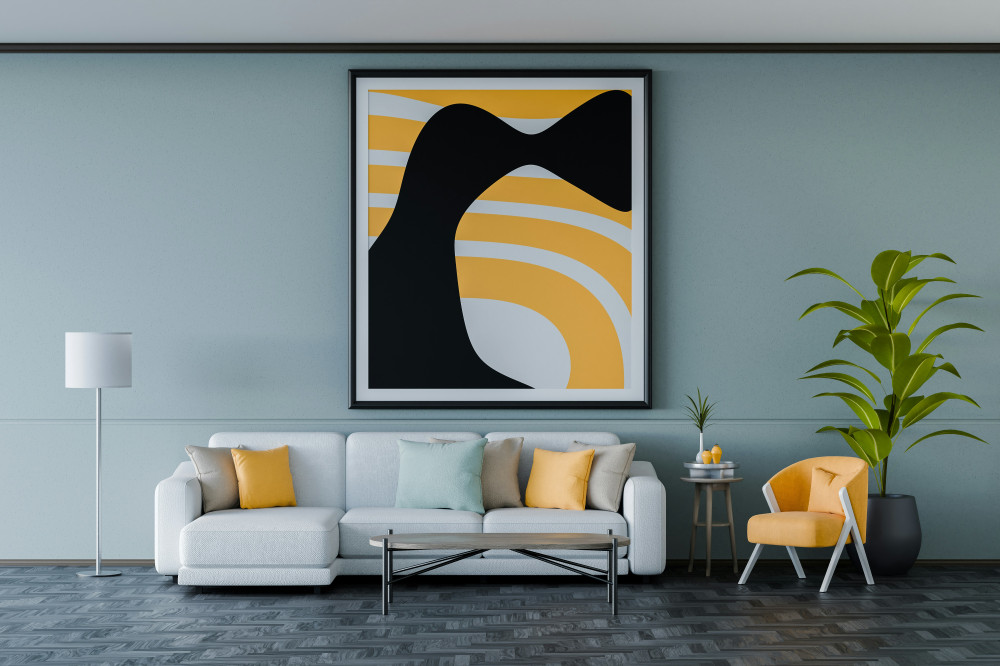
- Use floor lamps in corners to open up the space and balance the layout.
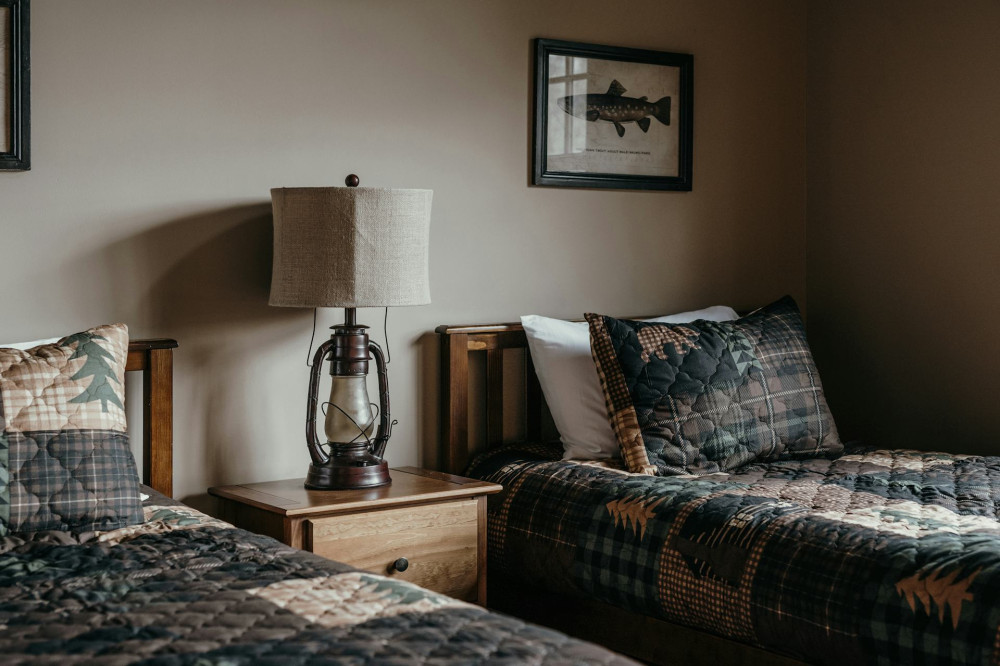
- Add table lamps on side tables or shelves to bring warmth and intimacy.
- Consider wall sconces or adjustable spotlights to highlight artwork, plants, or textured walls.
Be mindful of glare and reflections — especially from TV screens or glossy surfaces. Position lamps so that light falls softly and evenly, without creating harsh shadows or bright spots.
Create Mood with Materials and Shadows
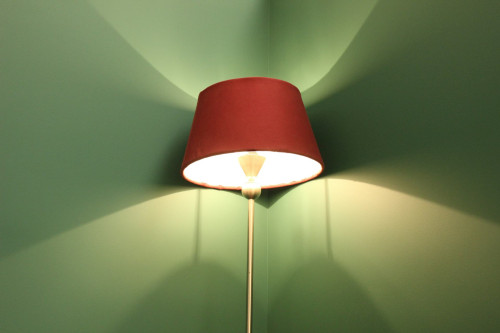
The materials of your light fixtures influence the atmosphere. A fabric shade diffuses light gently, while glass or metal reflects it more sharply, adding contrast. Mixing different textures — matte, shiny, transparent — gives the room a dynamic, layered look.
Don’t be afraid of shadows; they add depth and calm. The goal is balance: enough light to see comfortably, but not so much that the room feels flat or overexposed.
Make the Most of Natural Light
Daylight is your best lighting source. Arrange your living room to take advantage of it — place seating near windows and use light, airy curtains that let sunlight filter through. In the evening, supplement with lamps that mimic the warmth and direction of natural light.
If your living room faces north or gets limited sunlight, compensate with warmer bulbs and multiple light sources at eye level to create a sense of brightness and comfort.
Express Your Style Through Lighting
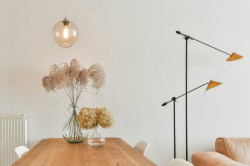
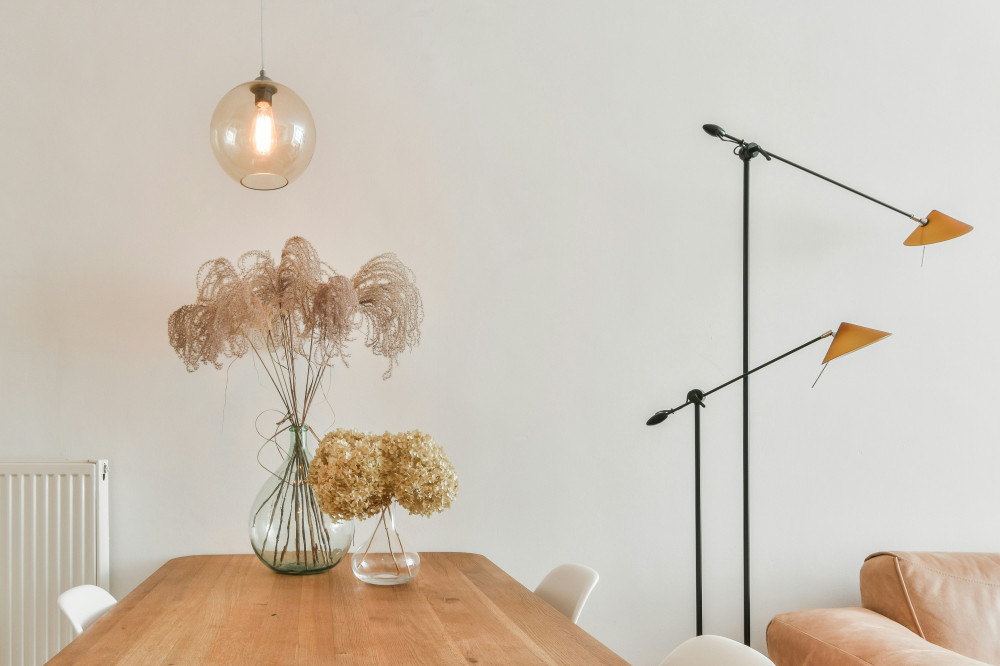
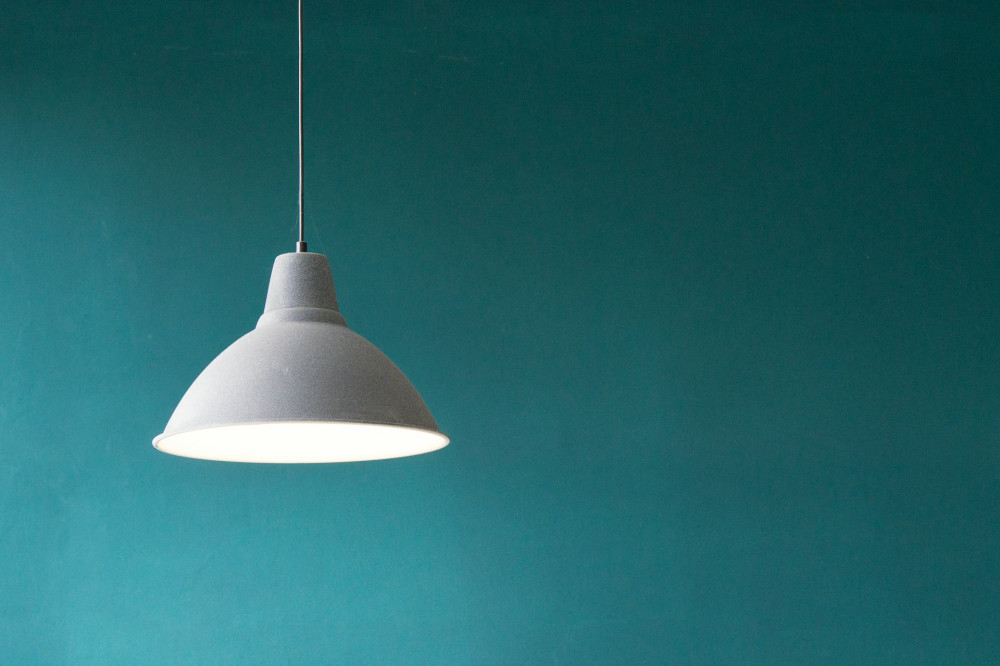
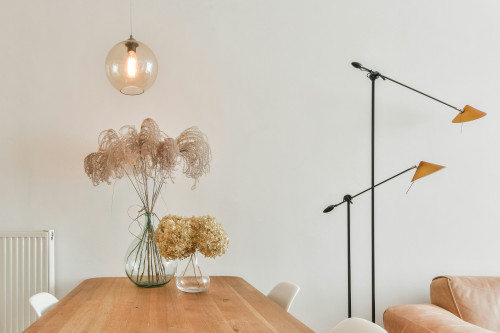
Lighting is also a design statement. A bold pendant over the coffee table, a vintage floor lamp, or a sleek modern fixture can serve as a focal point. The key is to choose lighting that fits both your lifestyle and your aesthetic.
Smart lighting systems are another great option. With adjustable color temperature and brightness controlled by an app or voice command, you can easily switch from bright daylight tones to soft evening glow with a tap.
Læs også:
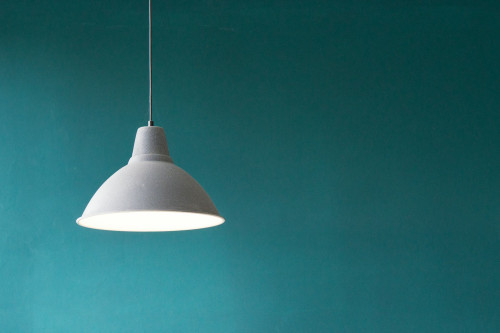
A Living Room That Shines with Intention
Ultimately, good living room lighting is about harmony — between function and mood, light and shadow, design and comfort. When you plan your lighting thoughtfully, you create a space that feels both beautiful and livable.
Start by layering your light sources, choose warm tones, and place fixtures strategically. The result is a living room that doesn’t just shine — it glows with life.
Læs også: