Create Warmth in a North-Facing Room with the Right Color Temperature

Create Warmth in a North-Facing Room with the Right Color Temperature
A north-facing room often feels cool and dim, even on bright days. Because it rarely receives direct sunlight, the natural light that does enter tends to have a bluish cast. This can make colors and materials appear flat or cold. But with the right lighting—especially the right color temperature—you can transform the space into something warm and inviting. Here’s how to use light to bring life and comfort to a north-facing room.
Understanding Color Temperature—and Why It Matters
Color temperature, measured in kelvins (K), describes how “warm” or “cool” a light source appears. Lower kelvin values produce warmer, more golden light, while higher values create cooler, bluer tones.
- 2700–3000 K: Warm, cozy light—similar to traditional incandescent bulbs.
- 3500–4000 K: Neutral white light—common in offices and kitchens.
- 5000 K and above: Cool daylight—best for task lighting or spaces with abundant natural light.
Since north-facing rooms already receive cooler daylight, it’s best to choose bulbs on the warmer end of the spectrum. This helps balance the natural light and makes colors appear softer and more vibrant.
Læs også:
Layer Your Lighting
A single overhead fixture rarely does justice to a north-facing room. Instead, combine multiple layers of light to create depth and atmosphere.
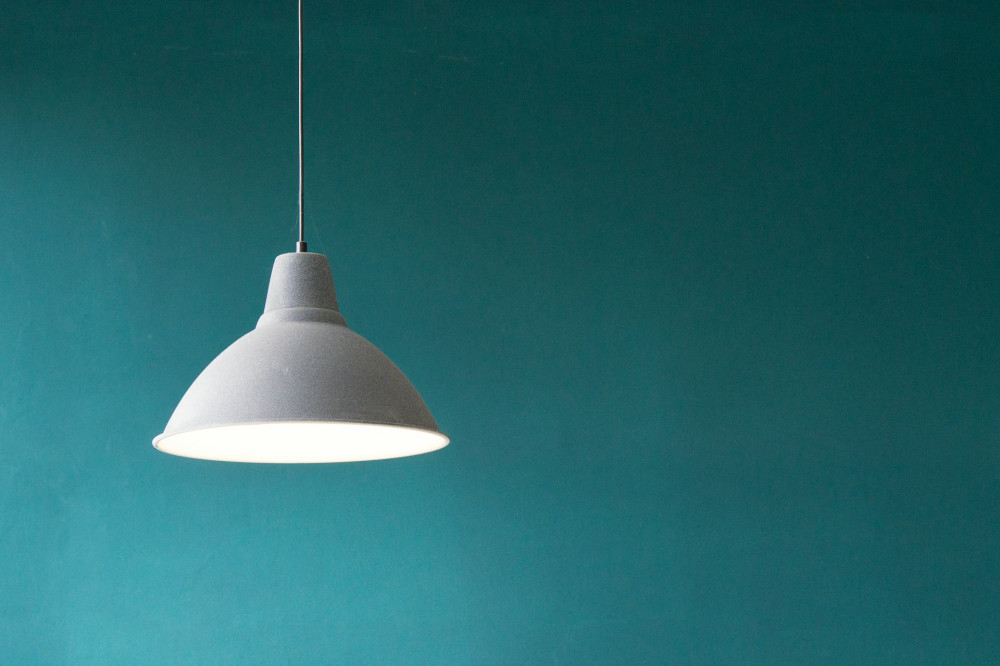
- Ambient lighting: Use a warm LED ceiling fixture or recessed lights around 2700–3000 K for an even, gentle glow.
- Task lighting: Add a desk lamp or under-cabinet light in the 3000–3500 K range for clarity where you need it most.
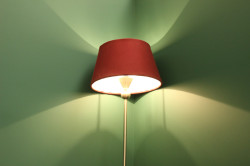
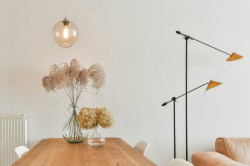
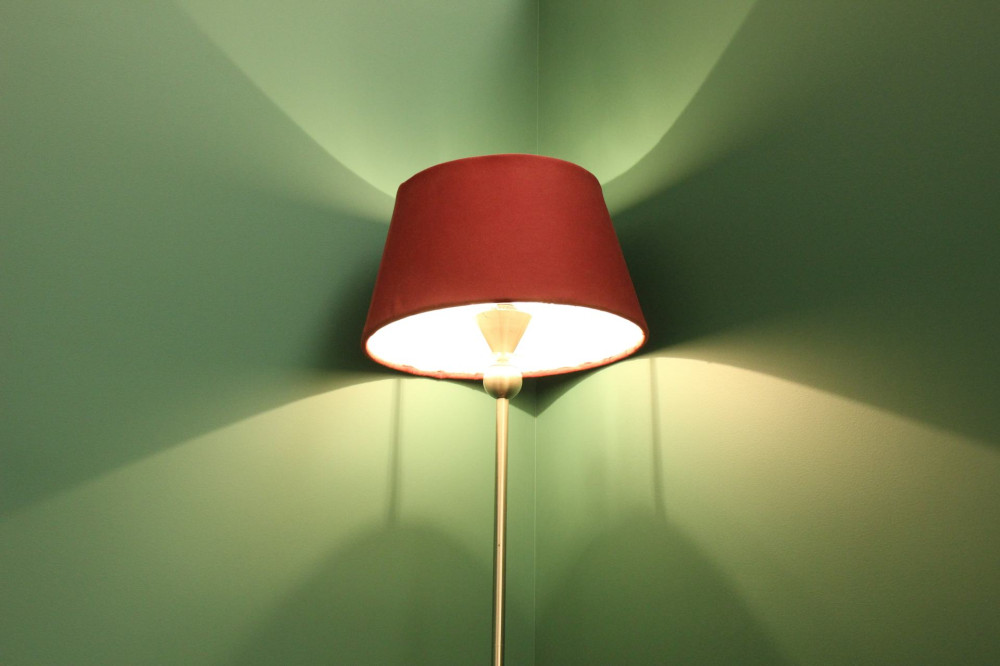
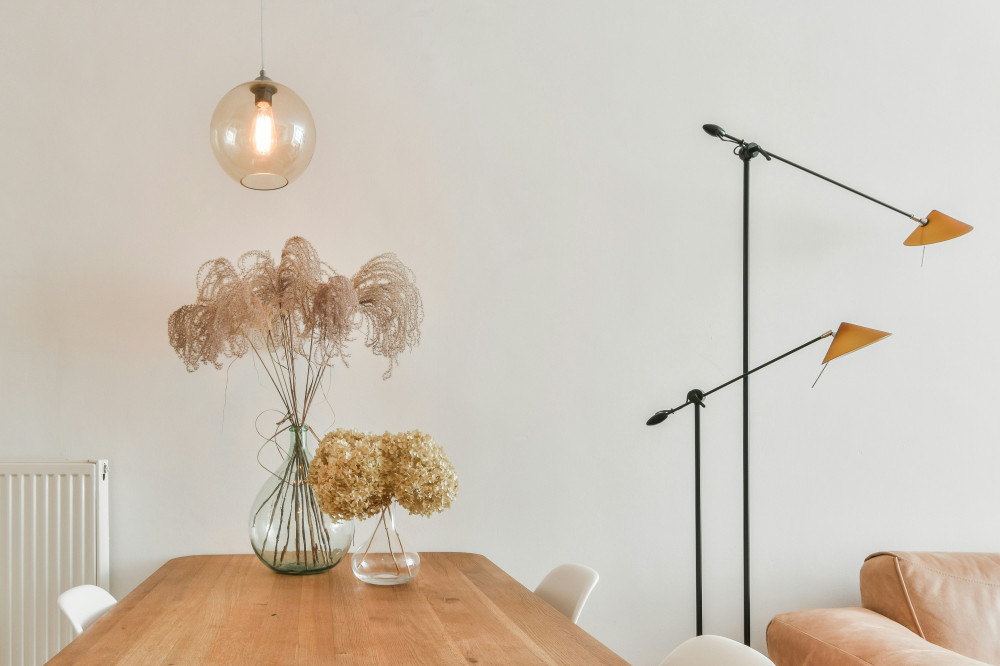
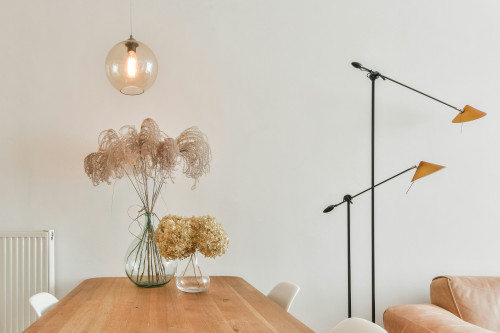
- Accent lighting: Incorporate table lamps, wall sconces, or floor lamps with dimmable warm bulbs to adjust the mood as needed.
Layering light allows you to adapt the brightness and tone throughout the day, preventing the room from feeling flat or overly cool.
Choose Materials and Shades That Reflect Warmth
Even the best bulb can lose its effect if the lampshade or surrounding materials absorb too much light. In a north-facing room, choose finishes and fabrics that enhance the warmth of your lighting.
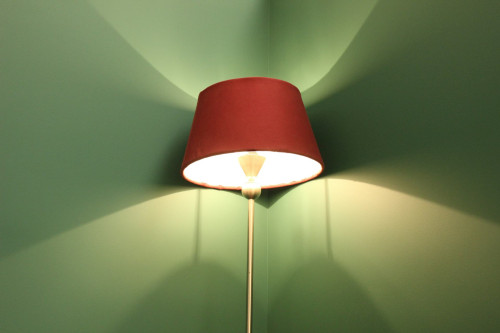
- Lampshades made of linen, glass, or brass diffuse light softly and add a golden glow.
- Wall colors with warm undertones—like creamy white, sand, or soft terracotta—help reflect light naturally.
- Wood accents and textiles in warm hues can balance the cool daylight and make the space feel cozier.
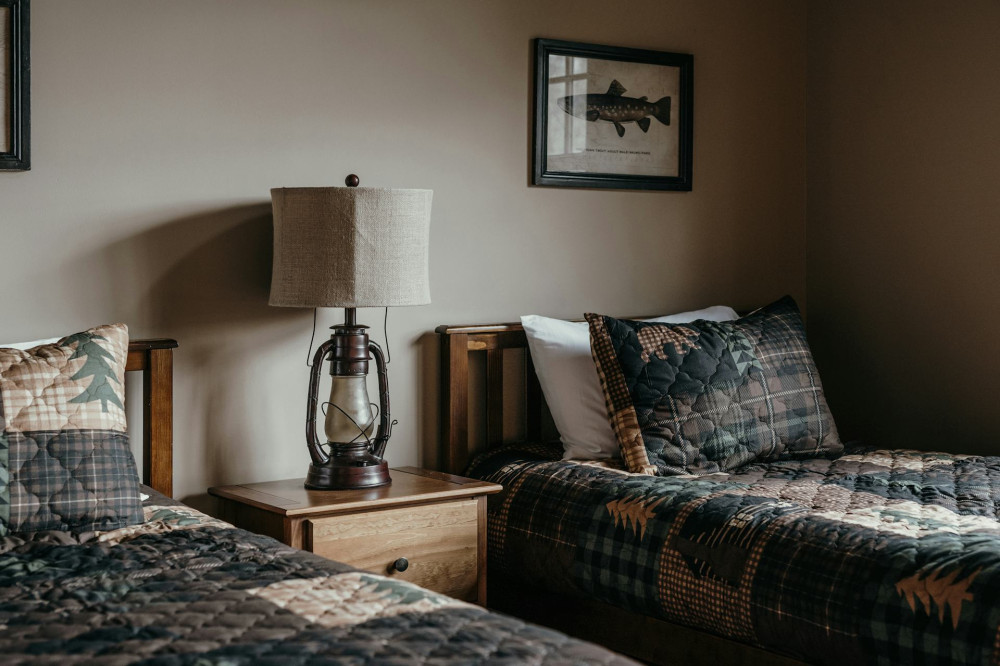
Small touches, like a warm bulb in a fabric-shaded table lamp, can make a noticeable difference in the room’s atmosphere.
Use Dimmers and Smart Controls
A north-facing room changes character throughout the day—from faint morning light to deep evening shadows. Dimmable bulbs or smart lighting systems let you adjust both brightness and color temperature to suit the time and activity.
- During the day, opt for slightly brighter light (around 3000–3500 K) to counteract the dim natural light.
- In the evening, lower the brightness and shift to warmer tones (around 2700 K) to create a relaxing ambiance.
Many smart LED systems allow you to control these settings from your phone, making it easy to fine-tune the lighting for comfort and mood.
Avoid the “Cool Light” Trap
It’s tempting to use “daylight” bulbs in a dim room, but in a north-facing space, they often exaggerate the blue tones and make the room feel colder. Avoid bulbs above 4000 K unless you need precise task lighting for a specific area.
Also, pay attention to how light hits your walls and ceiling. Harsh, direct light on a cool-colored wall can make the space feel sterile. Instead, use indirect lighting—bouncing light off walls or ceilings—to create a softer, more natural effect.
Create Harmony Between Light and Color
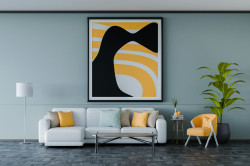
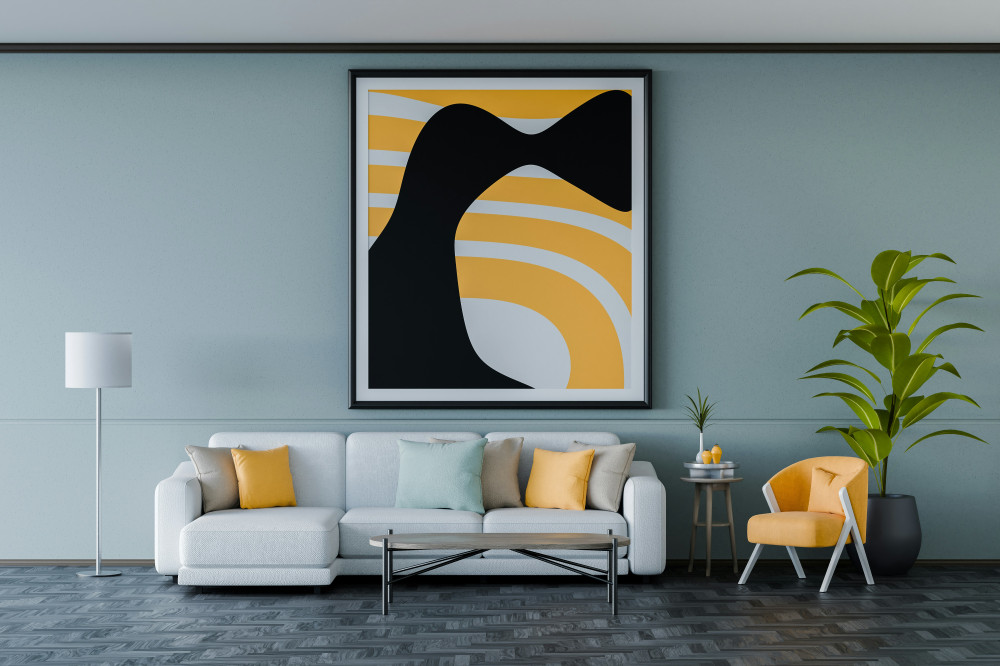
Lighting and color work hand in hand. When choosing color temperature, consider the room’s overall palette. Warm light enhances earthy tones like beige, ochre, green, and rust, while cool light can make blues and grays appear muted.
For a cohesive look, let your lighting complement the colors you already have. Use it strategically to balance the coolness of natural light with the warmth of artificial illumination.
A Warm Space—Even Facing North
A north-facing room doesn’t have to feel dark or unwelcoming. With the right color temperature, layered lighting, and thoughtful material choices, you can create a space that feels bright, balanced, and warm all year long. It’s not about mimicking sunlight—it’s about designing light that suits the room’s character and helps you feel at home in it.
Læs også: