Prepare Your Plants for Winter Rest with Autumn’s Gentle Light

Prepare Your Plants for Winter Rest with Autumn’s Gentle Light
Autumn is a season of transition. Days grow shorter, sunlight softens, and temperatures begin to drop. For many houseplants, this signals the end of their active growing period and the start of a slower, restorative phase. By adjusting your care routine to match the season, you can help your plants conserve energy and stay healthy through the winter months. Here’s how to use autumn’s gentle light to prepare your plants for their winter rest.
Light: Adjust Placement as the Sun Shifts
As the sun moves lower in the sky, the quality and intensity of light change. Many plants receive less energy than they did in summer, so it’s important to make the most of available daylight.
- South- and west-facing windows still provide strong light in fall, but watch for midday glare that can scorch delicate leaves.
- North-facing windows may become too dim—consider supplementing with a grow light or full-spectrum bulb.
- Rotate your plants every week or two so all sides receive light evenly and growth stays balanced.
Keep an eye on leaf color and shape. Pale leaves or stems stretching toward the window are signs your plant needs more light.
Water: Less Is Often Better
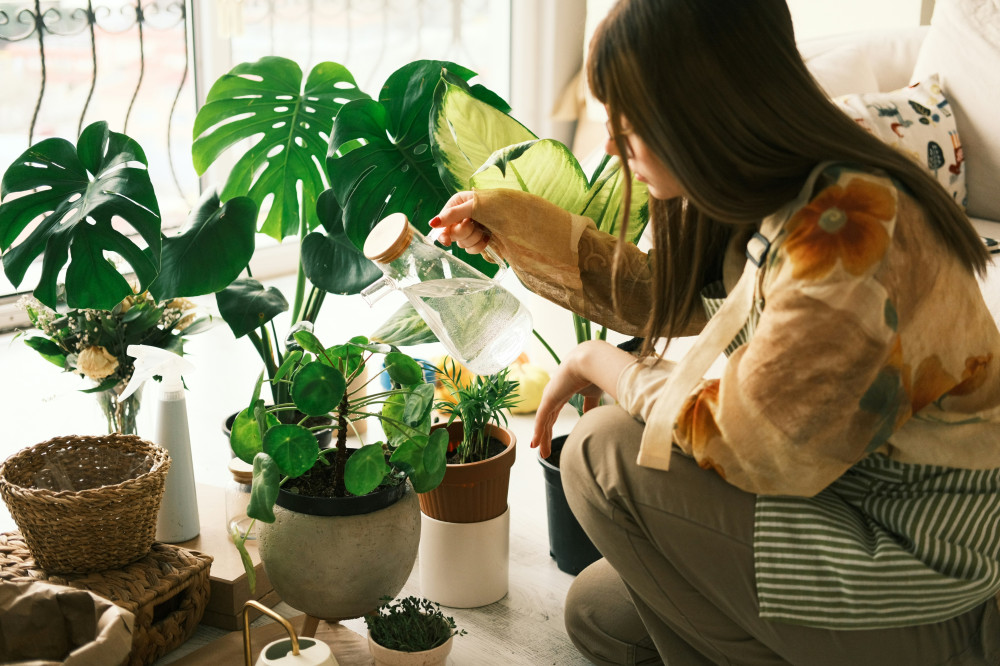
As growth slows, plants use less water. Overwatering is one of the most common mistakes in fall because cooler indoor air slows evaporation and soil stays moist longer.
Check the soil before watering—press a finger about an inch deep. If it feels dry, it’s time to water; if it’s still damp, wait a few days. Succulents and cacti may go several weeks without water during this period.
Use room-temperature water, and always empty excess from saucers to prevent root rot, which is more likely when temperatures drop.
Fertilizer: Give Plants a Break
Autumn is not the time to feed most houseplants. As they enter dormancy, they don’t need extra nutrients, and fertilizing can actually stress them.
Stop fertilizing by late September and resume in spring when new growth appears. If you have tropical plants that continue to grow indoors under bright light, you can offer a very diluted feeding every four to six weeks.
Temperature and Humidity: Keep Conditions Steady
When heating systems come on, indoor air often becomes dry, which can cause leaf tips to brown. To maintain humidity, place a shallow tray of water near your plants, use a humidifier, or group plants together to create a microclimate.
Avoid placing plants near heating vents, radiators, or drafty windows. Most houseplants prefer temperatures between 65–72°F and dislike sudden changes.
Pruning and Cleaning: Refresh for the Season
Fall is a great time to tidy up your plants. Remove yellowing leaves and dead stems so the plant can focus its energy on healthy growth. This also helps prevent pests and disease.
Wipe dust from leaves with a damp cloth to improve their appearance and light absorption. For plants with many small leaves, a gentle rinse in the shower with lukewarm water works well.
Læs også:
Plants That Need Extra Attention
Some species are more sensitive to seasonal changes than others:
- Ficus varieties (such as rubber plants and fiddle-leaf figs) may drop leaves as light levels change. Don’t worry—they’ll regrow in spring.
- Orchids often need a bit more light and humidity but no fertilizer during their rest period.
- Geraniums and herbs can be trimmed back and kept in a cool, bright spot if you plan to overwinter them.
Understanding each plant’s needs helps you adjust care and avoid unnecessary losses.
The Calm of Autumn – A Natural Pause
It can feel discouraging when growth slows, but winter rest is a vital part of a plant’s life cycle. It allows them to recharge for the vibrant growth of spring.
Use autumn as a time to observe, nurture, and appreciate your plants in their quieter phase. The soft light, muted colors, and slower rhythm remind us that nature—even indoors—thrives on balance and rest.
Læs også: