Plants and Sustainability – How to Create a Healthy Indoor Environment

Plants and Sustainability – How to Create a Healthy Indoor Environment
Plants are more than just beautiful decorations – they can play a key role in creating a healthier and more sustainable home. They help improve indoor air quality, reduce stress, and can even lessen the need for artificial humidifiers and air purifiers. At the same time, they represent a simple, tangible step toward a greener lifestyle, bringing nature closer to everyday life. Here’s how you can use plants to create a healthy and sustainable indoor environment.
Why Plants Make a Difference
Indoor air in modern homes can be affected by dry air, dust, and chemical compounds released from furniture, paint, and electronics. Plants help improve air quality in several ways:
- They produce oxygen through photosynthesis, making the air feel fresher.
- They increase humidity by releasing moisture, which can help reduce dry skin and irritated airways.
- They can absorb certain pollutants, such as formaldehyde and benzene, which are found in many building materials and household products.
While plants can’t replace proper ventilation, they are a natural complement that makes your home more comfortable and inviting.
Choosing the Right Plants for Your Home
Not all plants thrive under the same conditions, and some are better than others at purifying the air. Here are a few great options for different spaces:
- Peace Lily (Spathiphyllum) – excellent at removing toxins and thrives in low light.
- Areca Palm (Dypsis lutescens) – adds humidity to the air and brings a tropical feel.
- Snake Plant (Sansevieria) – hardy and ideal for bedrooms, as it releases oxygen at night.
- Aloe Vera – low-maintenance and soothing to look at, with the bonus of useful gel for minor burns.
Consider how much light and space you have, and choose plants that fit your home’s conditions. Healthy plants are more effective at improving your indoor environment.
Creating a Green and Sustainable Home
Using plants as part of a sustainable home design also means caring for them in eco-friendly ways. Small changes can make a big difference:
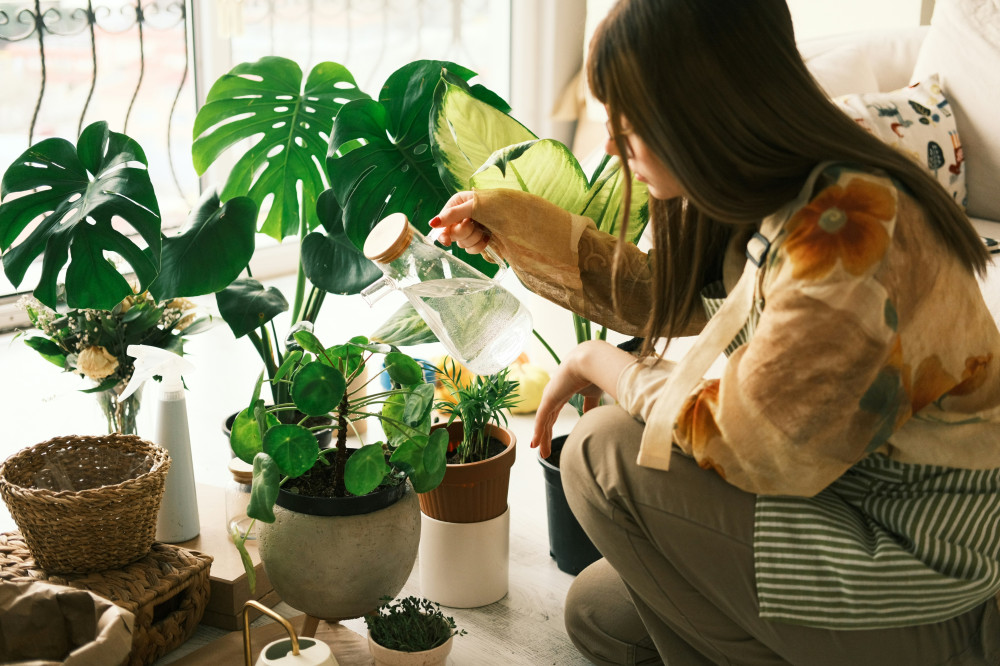
- Use collected rainwater for watering, if possible. It saves tap water and is often better for plants.
- Reuse pots and containers – old jars, baskets, or ceramic bowls can become unique planters.
- Choose organic soil and fertilizer to avoid unnecessary chemicals indoors.
- Share and swap plants with friends or neighbors instead of always buying new ones – it’s sustainable and fun.
These habits make your indoor garden part of a circular mindset, where resources are used thoughtfully.
Læs også:
Plants as Natural Design Elements
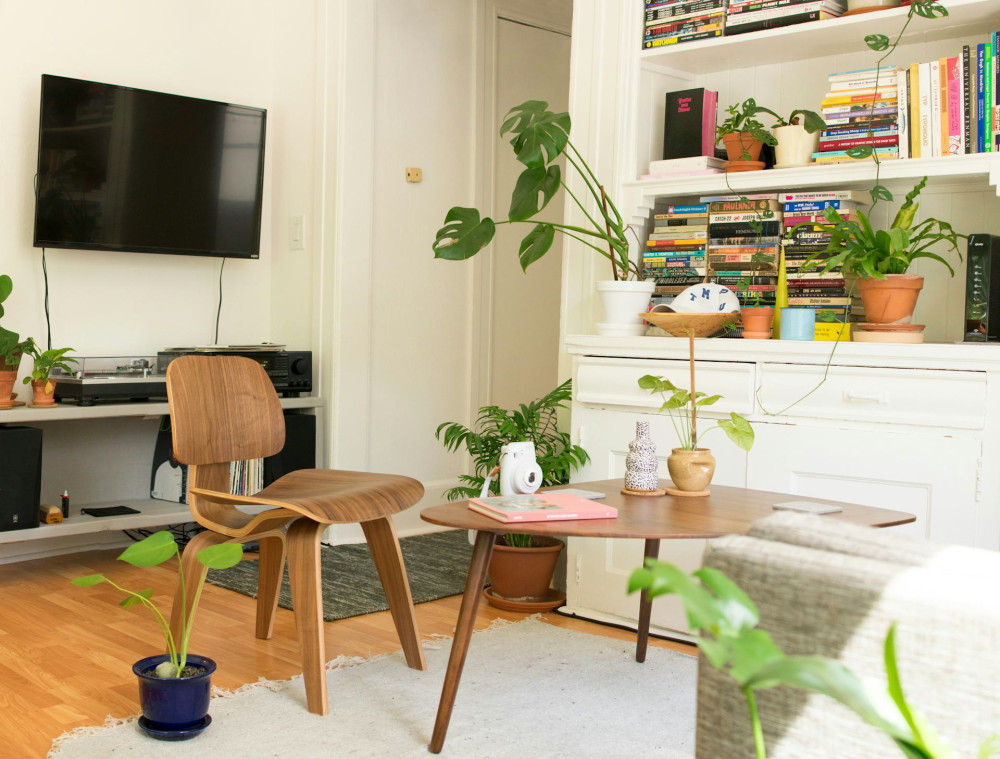
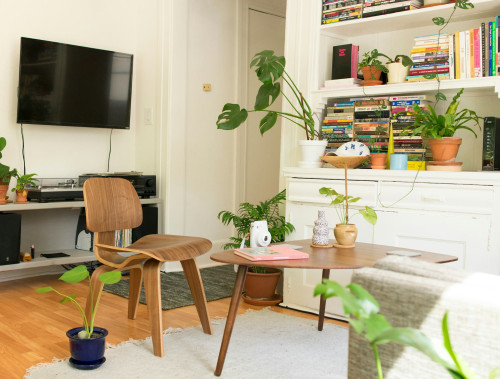
Green plants can transform the atmosphere of a room. They bring calm, soften hard lines, and add life to even the most minimalist spaces. Try these ideas:
- Place large plants in corners to create balance.
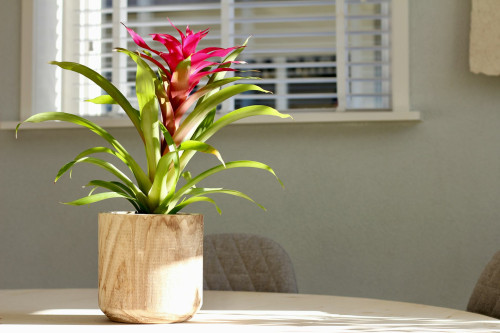
- Hang plants in windows or from the ceiling to make use of vertical space.
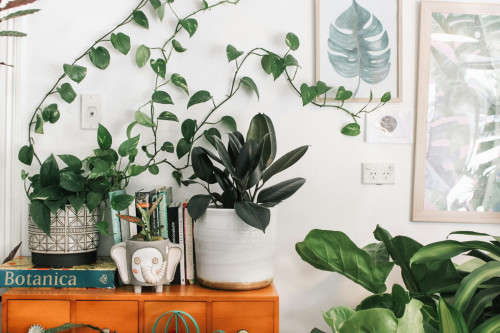
- Mix different leaf shapes and shades of green for a dynamic look.
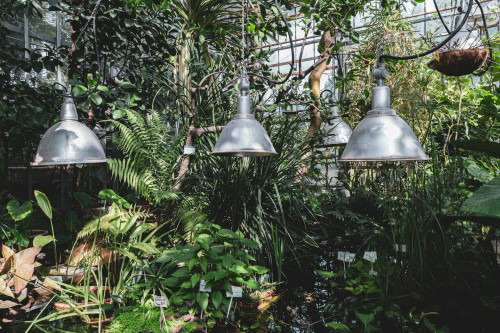
Plants can also serve as natural room dividers or sound absorbers – especially useful in open-plan homes where acoustics can be challenging.
A Healthy Home Starts with Small Steps
You don’t need to turn your home into a jungle to feel the benefits. Even a few well-chosen plants can make a noticeable difference in air quality and well-being. Start with easy-care varieties and expand your collection as you gain confidence.
A green home isn’t just more beautiful – it’s a place where you breathe easier, sleep better, and feel more connected to nature. That’s sustainability in action, right where you live.
Læs også: