Insulation Grants as Part of Your Energy Plan

Insulation Grants as Part of Your Energy Plan
When you’re planning to make your home more energy-efficient, insulation is one of the smartest places to start. A well-insulated home stays warmer in winter and cooler in summer, which means greater comfort and lower energy bills. What many homeowners don’t realize is that there are various grants, rebates, and tax incentives available in the United States that can make insulation upgrades more affordable. Here’s how insulation grants can become an important part of your overall energy plan.
Why Insulation Is Key to Energy Savings
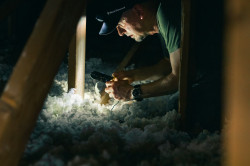
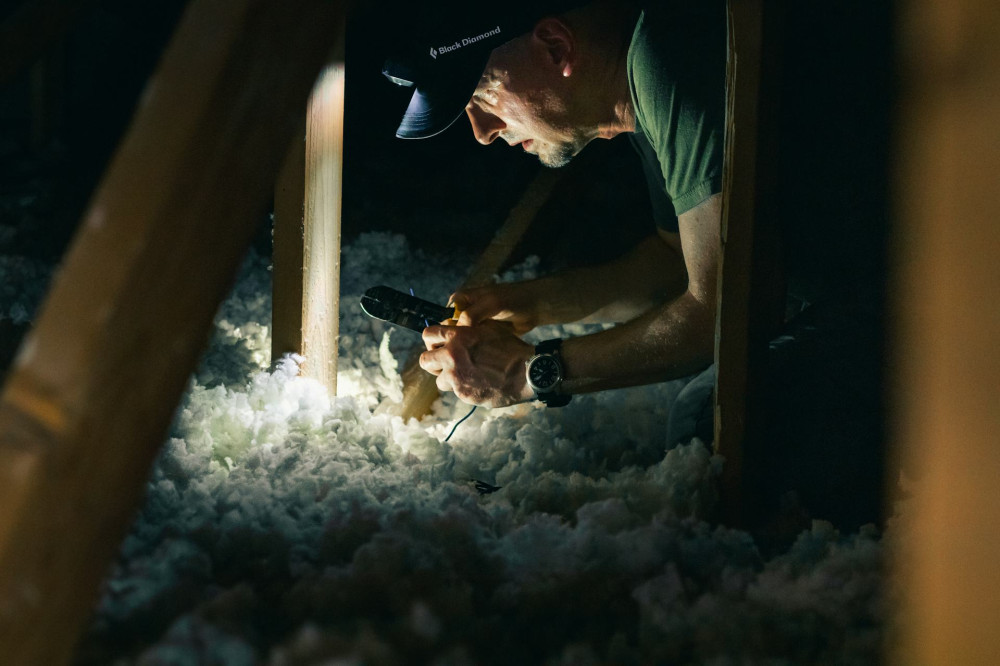
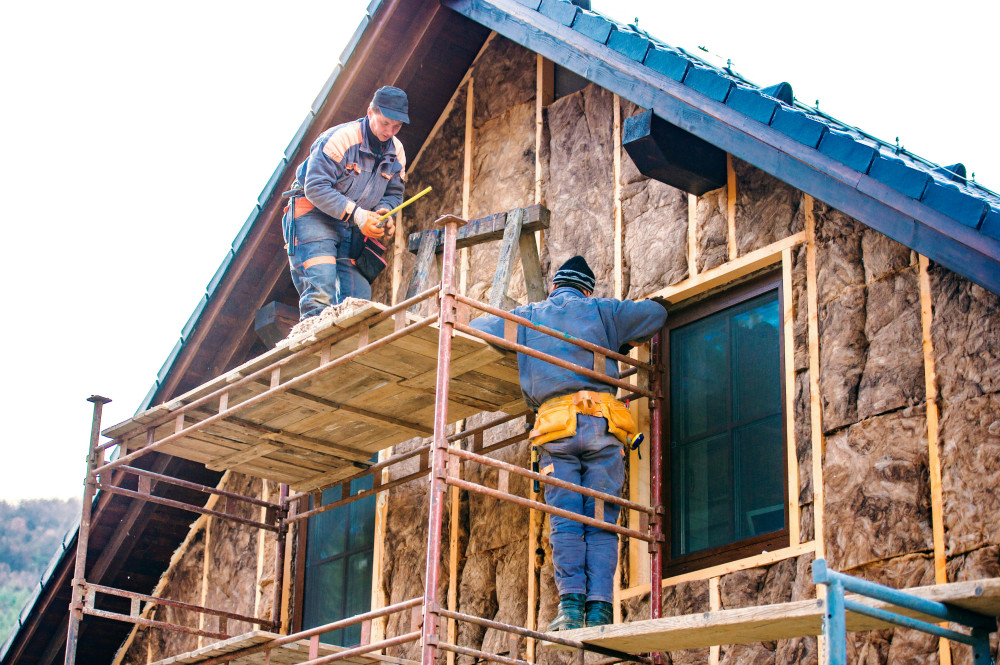
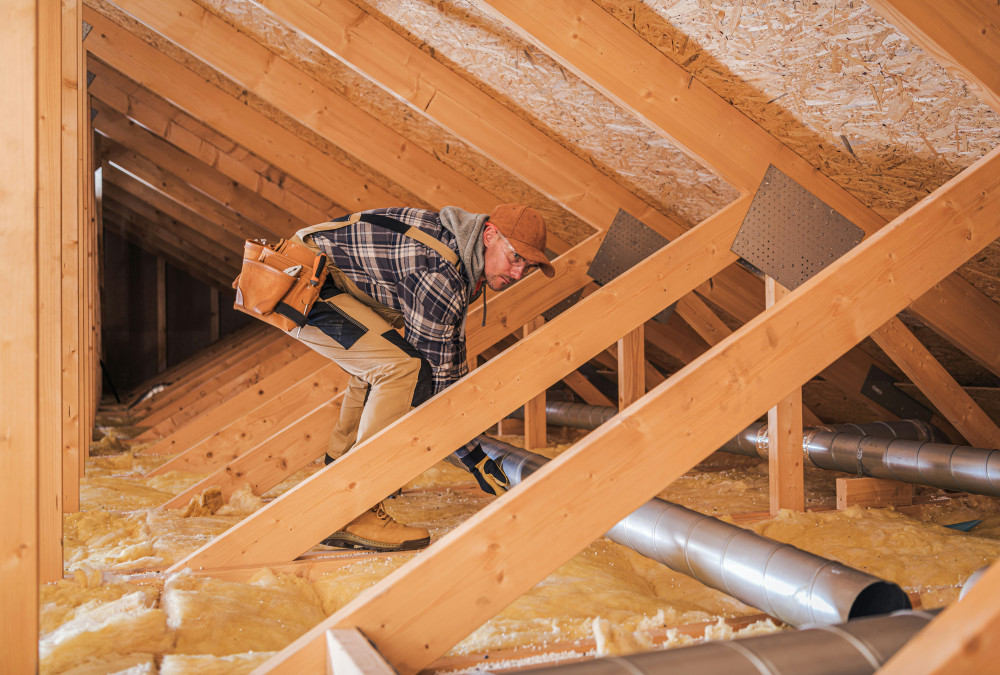
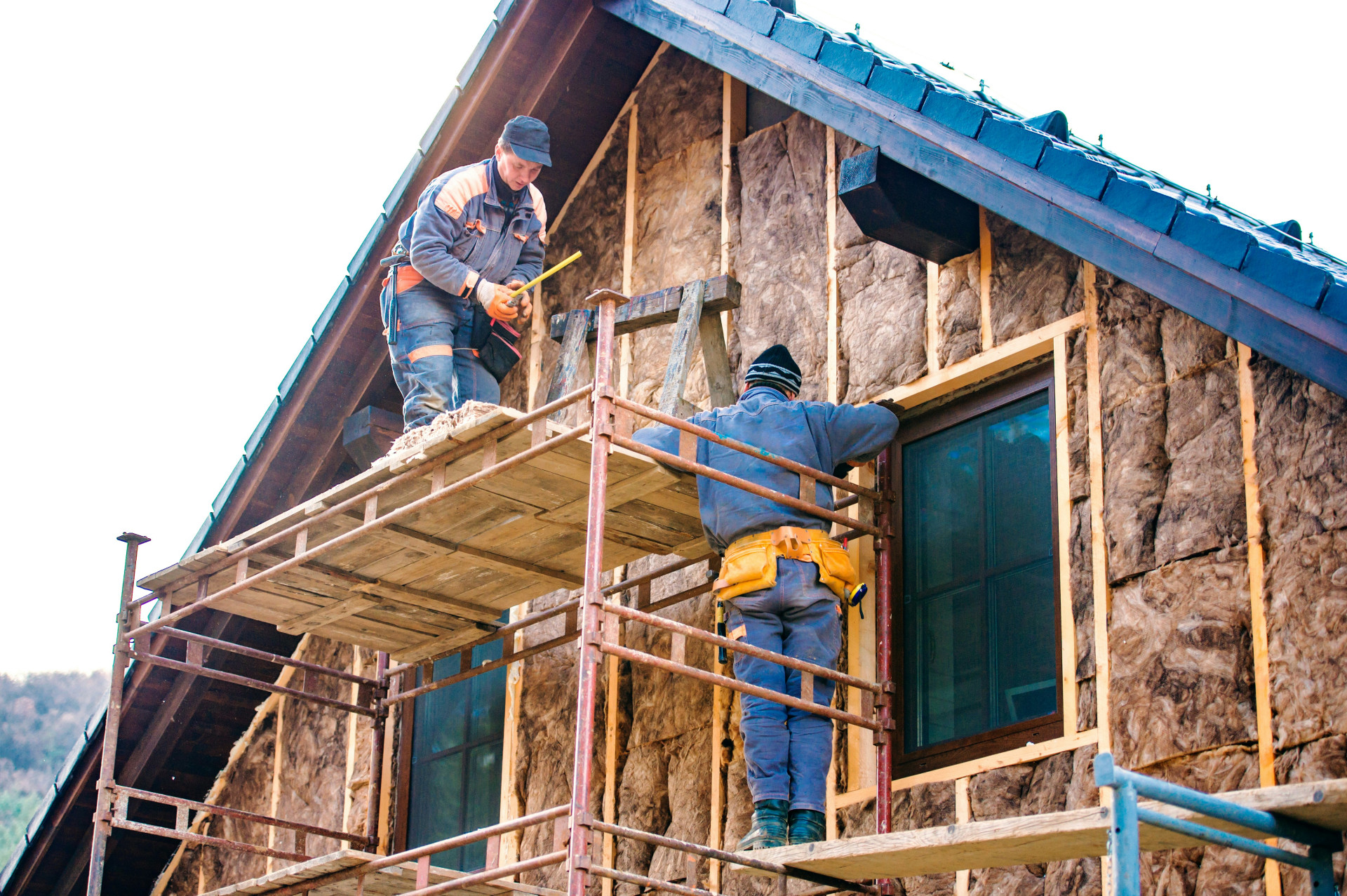
Insulation works by reducing heat transfer between the inside and outside of your home. In older houses, as much as 30–40% of heating and cooling energy can be lost through poorly insulated walls, attics, and floors. That means your HVAC system has to work harder, using more energy and costing you more money.
By improving your insulation, you can:
- Lower your energy consumption and reduce your carbon footprint.
- Improve indoor comfort, keeping temperatures more stable year-round.
- Increase your home’s value, as energy-efficient homes are more attractive to buyers.
Insulation is not just an expense—it’s an investment that pays off over time, especially when combined with available financial incentives.
What Kinds of Grants and Incentives Are Available?
In the U.S., several programs can help offset the cost of insulation and other energy-efficiency improvements. The most common include:
- Federal tax credits – Under the Inflation Reduction Act, homeowners can claim tax credits for certain energy-efficient upgrades, including insulation materials and air sealing. These credits can cover a percentage of the project cost, up to annual limits.
- State and local programs – Many states and municipalities offer their own rebates or grants for home energy improvements. These vary widely, so it’s worth checking your state’s energy office or local utility website.
- Utility company rebates – Some energy providers offer rebates for insulation upgrades, especially when combined with energy audits or other efficiency measures.
- Weatherization Assistance Program (WAP) – This federal program helps low-income households improve energy efficiency through free or low-cost upgrades, including insulation.
Because programs and eligibility requirements differ by location, it’s important to research what’s currently available in your area.
How to Apply for Insulation Grants or Rebates
Applying for financial assistance usually requires some preparation, but the process can be straightforward if you follow a few key steps:
- Schedule a home energy audit – A certified energy auditor can identify where insulation improvements will have the biggest impact. Some programs require an audit before you apply.
- Get multiple quotes – Collect estimates from licensed contractors who specialize in insulation. You’ll often need to submit these with your application.
- Apply before starting the project – Many programs require approval before work begins, so don’t start until you’ve received confirmation.
- Keep all documentation – Save invoices, receipts, and photos of the completed work. You’ll need these to claim rebates or tax credits.
Working with a contractor familiar with local incentive programs can make the process smoother and help ensure you don’t miss out on available funding.
Combine Insulation with Other Energy Upgrades
Insulation is most effective when it’s part of a broader energy strategy. While you’re improving your home’s envelope, consider other complementary upgrades:
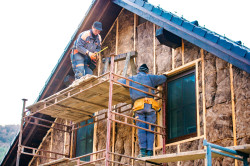
- Replace old windows with energy-efficient models that reduce heat loss.
- Install a heat pump for efficient heating and cooling.
- Add smart thermostats to better control energy use.
- Improve ventilation to maintain air quality without losing heat.
Bundling multiple improvements can lead to greater energy savings—and in some cases, you can qualify for incentives on several upgrades at once.
When Does It Pay Off?
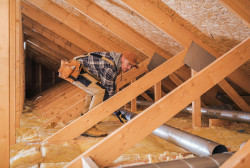
Although insulation requires an upfront investment, the payback period is often short. Attic insulation, for example, can pay for itself in just a few years through lower energy bills. With grants, rebates, or tax credits, the return on investment becomes even more attractive.
To maximize your savings, focus on the areas of your home with the greatest heat loss. An energy audit can help you prioritize which improvements will deliver the best results.
Læs også:
A Greener, More Comfortable Home
Including insulation grants in your energy plan isn’t just about saving money—it’s about creating a more sustainable, comfortable, and valuable home. By taking advantage of available programs and making smart energy upgrades, you can reduce your environmental impact while improving your quality of life. With the right planning and support, your home can be both energy-efficient and future-ready.
Læs også: