Avoid Thermal Bridges and Maintain Insulation Efficiency

Avoid Thermal Bridges and Maintain Insulation Efficiency
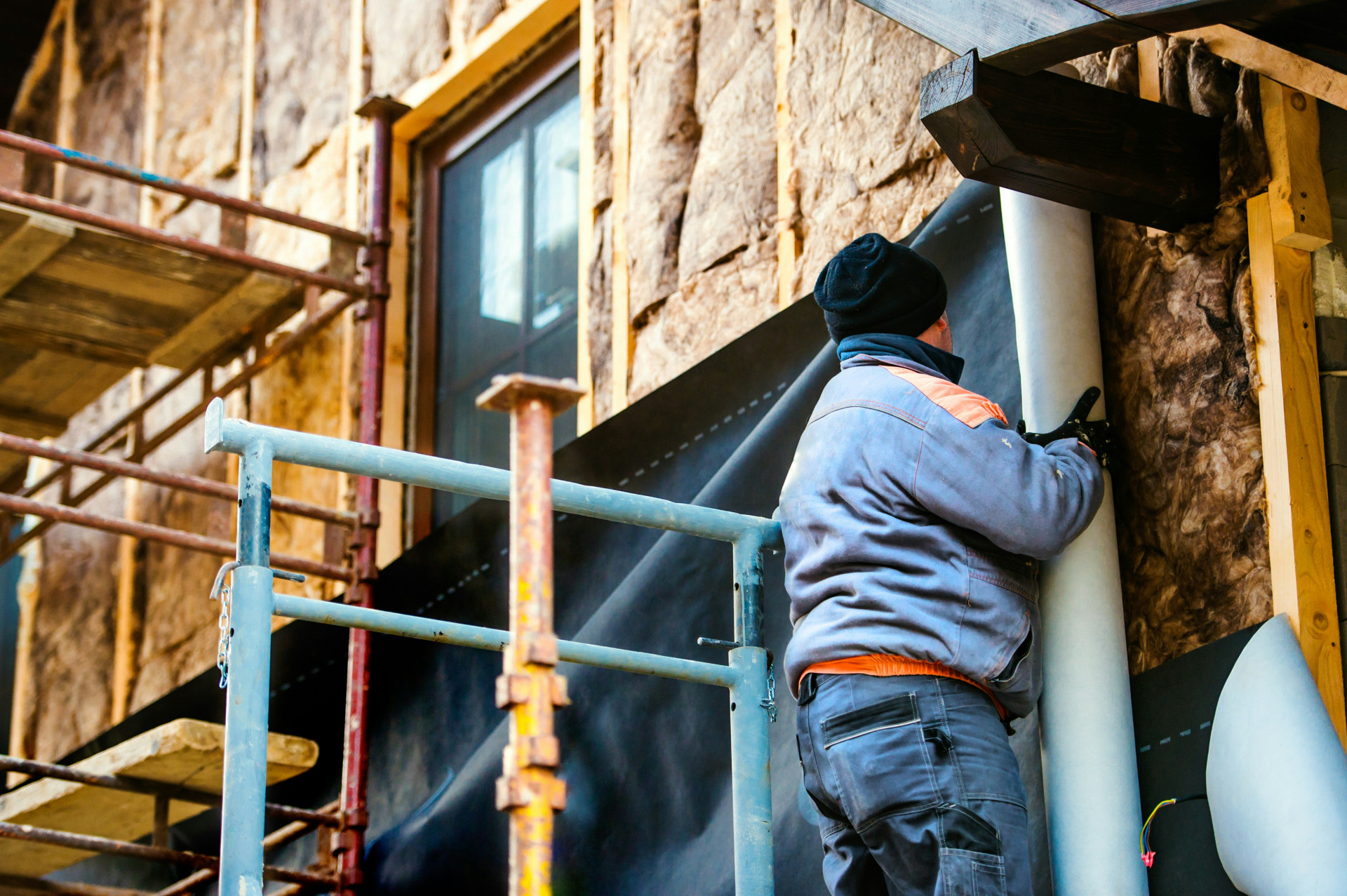
When you invest in quality insulation, you expect it to keep your home warm in winter and cool in summer. But even the best insulation can lose its effectiveness if thermal bridges occur—small weak points in the building envelope where heat escapes and cold air enters. Thermal bridges can lead to energy loss, moisture problems, and reduced comfort. Here’s how to identify and prevent them to maintain your insulation’s full efficiency.
What Is a Thermal Bridge?
A thermal bridge forms when heat can travel through a material that conducts heat more easily than the surrounding insulation. Common culprits include steel, concrete, or wood elements that penetrate or bypass the insulation layer, creating a direct path for heat transfer between indoors and outdoors.
Typical locations for thermal bridges include:
- Junctions between walls, roofs, and floors
- Around windows and doors
- At balconies, porches, and foundations
- Where pipes, vents, or cables pass through walls
Even small thermal bridges can have a noticeable impact on your home’s energy performance and comfort.
Why Thermal Bridges Are a Problem
Thermal bridges don’t just make your home less energy-efficient—they can also cause condensation and mold. When warm, humid indoor air meets a cold surface, moisture forms. Over time, this can lead to dark stains, musty odors, and even structural damage.
They also increase your heating and cooling costs. Heat loss in winter and heat gain in summer both force your HVAC system to work harder. In older homes, where insulation may already be uneven, the effect can be significant.
In short, thermal bridges are both a comfort and a cost issue.
How to Detect Thermal Bridges
Some thermal bridges are visible to the naked eye—such as damp spots, peeling paint, or cold corners. Others require more precise tools to identify.
You can:
- Use an infrared camera to spot cold or hot areas on walls and ceilings.
- Measure surface temperatures with a contact thermometer—large differences can reveal problem areas.
- Check for drafts around windows, doors, and joints.
If you’re unsure, a professional energy auditor can perform a thermal imaging inspection to pinpoint exactly where heat is escaping.
Preventing Thermal Bridges in New Construction
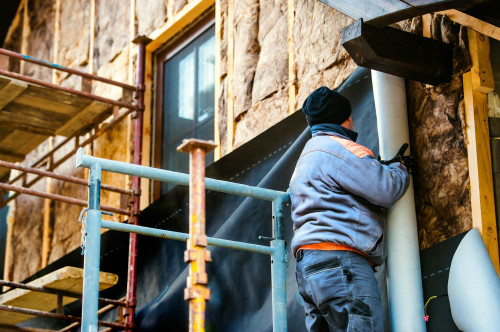
The best way to avoid thermal bridges is to plan for them during design and construction. The goal is to create a continuous, unbroken insulation layer where all materials and joints are carefully coordinated.
- Use thermal breaks or insulating spacers at connections between walls and foundations.
- Ensure proper window and door installation, with insulation tightly fitted around frames.
- Avoid continuous conductive materials, such as steel beams that extend through the insulation.
- Seal all penetrations, including small holes for wiring and plumbing.
An experienced architect or building engineer can help design details that minimize the risk of thermal bridging.
Improving Existing Homes
In older homes, thermal bridges can be challenging to eliminate completely, but there are effective ways to reduce their impact.
- Add insulation to critical areas such as attics, basements, and around windows.
- Replace old windows with energy-efficient models and ensure proper sealing.
- Seal joints and cracks with caulk or weatherstripping.
- Consider interior insulation if exterior insulation isn’t feasible—but be mindful of moisture control.
Professional advice can help you choose the right approach and avoid creating new moisture issues.
Small Details, Big Difference
Even minor improvements can make a noticeable difference. A properly installed vapor barrier, a well-sealed joint, or an extra layer of attic insulation can significantly reduce heat loss. Think of your home as a system—every component must work together to maintain comfort and efficiency.
Once you’ve addressed thermal bridges, you’ll not only see lower energy bills but also enjoy a more comfortable and healthier indoor environment.
Læs også:
An Investment That Pays Off
Fixing thermal bridges takes planning and care, but it’s an investment that quickly pays for itself. You’ll benefit from lower energy use, fewer moisture problems, and a home that feels consistently comfortable year-round.
By combining high-quality insulation with careful detailing, you can ensure your home retains heat effectively—and that your insulation performs at its best for many years to come.
Læs også: