Design Floors That Create Graphic Patterns and Visual Effects in a Space

Design Floors That Create Graphic Patterns and Visual Effects in a Space
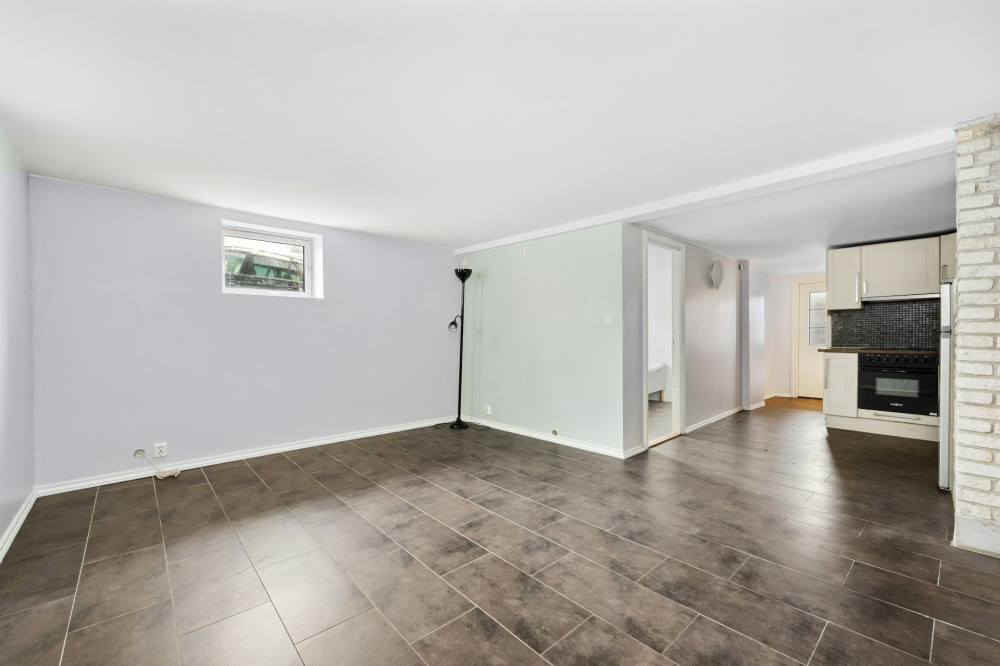
The floor is often the largest continuous surface in a room—and one of the most powerful tools for shaping its atmosphere. In recent years, design floors have become a way to add personality, rhythm, and visual depth to interiors. Through graphic patterns, color contrasts, and creative material combinations, the floor can become an active design element that supports both function and aesthetics.
From Background to Centerpiece
Traditionally, floors were seen as a neutral foundation meant to complement walls and furniture. Today, that idea has shifted. Modern design floors are used as visual statements that define zones, guide movement, or give a space its unique character.
A patterned vinyl floor in a kitchen can add a playful touch, while a herringbone wood floor brings timeless elegance. In offices, hotels, and retail spaces, graphic flooring is often used to direct flow—acting almost like a visual map that leads people through the space.
Materials That Expand Creative Possibilities
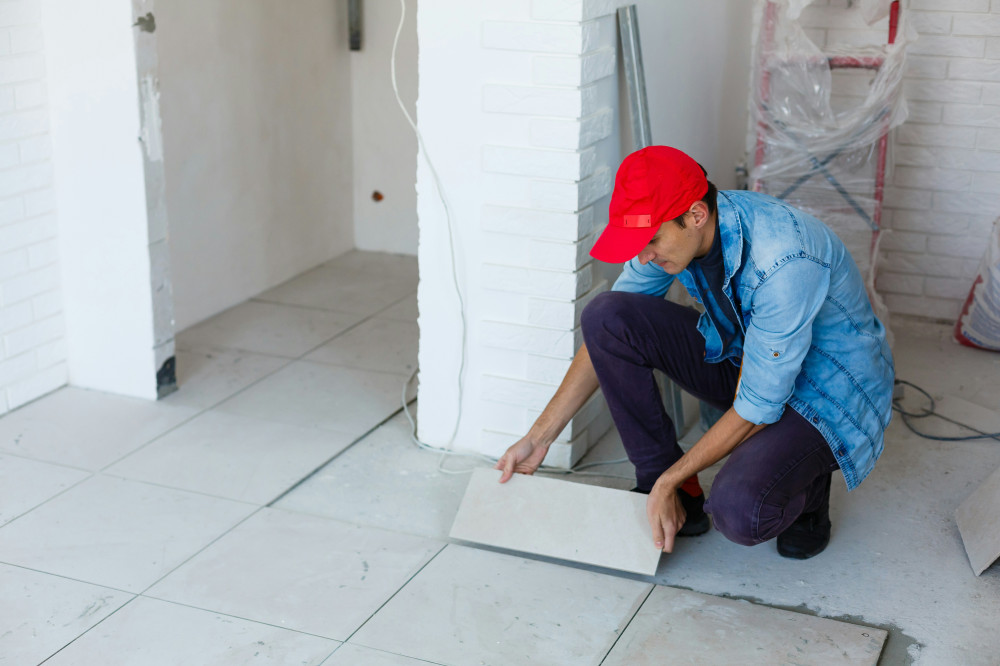
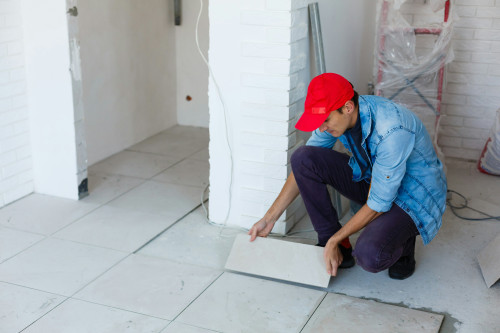
Advances in manufacturing and digital printing have opened up a world of options for design floors. Beyond traditional hardwood, homeowners and designers now explore materials such as poured epoxy, luxury vinyl tile (LVT), linoleum, and ceramic tile with printed or textured surfaces.
- Vinyl and linoleum offer endless color and pattern possibilities, along with durability and easy maintenance—ideal for busy households or commercial spaces.
- Epoxy and polyurethane floors can be poured seamlessly, creating sleek, reflective surfaces or incorporating embedded graphics and color gradients.
- Wood and laminate can be laid in creative patterns like herringbone, chevron, or parquet mosaics that add structure and movement.
- Tile and terrazzo are making a comeback, with modern versions featuring bold geometric prints or subtle tone-on-tone effects.
Mixing materials—such as pairing wood with concrete or tile with vinyl—can help define transitions between areas without the need for walls or thresholds.
Læs også:
Patterns That Shape Perception
Graphic flooring isn’t just about decoration; it influences how we experience space. A diagonal pattern can make a small room feel larger, while repeating geometric motifs can bring calm and rhythm to an open-plan area.
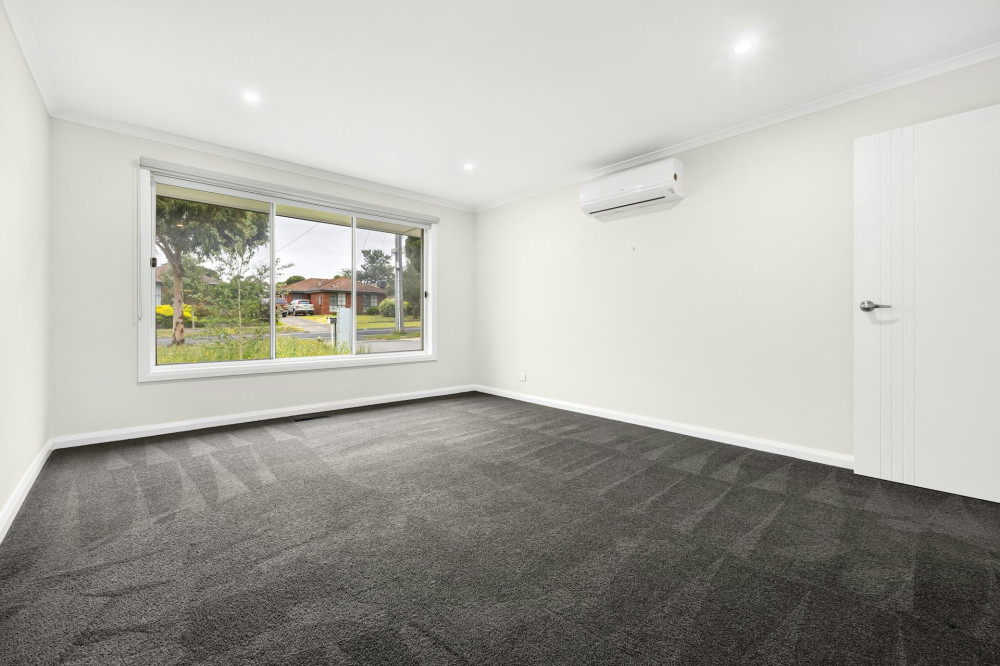
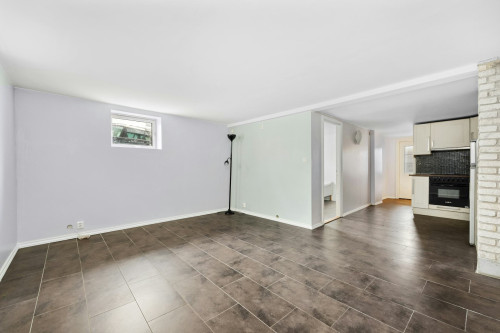
Color also plays a key role. Light tones reflect more light and make a room feel airy, while darker shades add warmth and intimacy. Contrasting light and dark sections can create a sense of movement or even optical illusions that energize the space.
In contemporary architecture, floors are often designed as part of a cohesive visual story—where lines and patterns continue across walls, ceilings, and furniture. This integrated approach creates harmony and a sense of intentional design.
Practical Considerations
While design floors are visually striking, functionality should never be overlooked. The right material depends on how the space is used.
Consider:
- Durability and maintenance – essential for high-traffic areas like entryways and kitchens.
- Comfort and acoustics – softer materials absorb sound and feel warmer underfoot.
- Colorfastness – important in sunlit rooms where UV exposure can fade colors.
- Sustainability – many U.S. manufacturers now offer low-VOC, recyclable, or bio-based flooring options.
Think of the floor as an investment in both style and performance. A well-chosen design floor can last for decades while giving your home or business a distinctive identity.
Inspiration from Past and Future
Design floors draw inspiration from both tradition and innovation. Classic patterns like terrazzo, mosaic, and herringbone are being reimagined with modern materials and color palettes. At the same time, digital printing and casting technologies allow for entirely new expressions—from abstract color fields to nature-inspired textures.
The trend points toward floors that are more than just surfaces to walk on—they’re storytelling elements that define the mood of a space. Whether bold and dramatic or subtle and serene, today’s design floors invite creativity and help transform interiors into visually engaging, personalized environments.
Læs også: