Light That Highlights the Textures and Details of Art

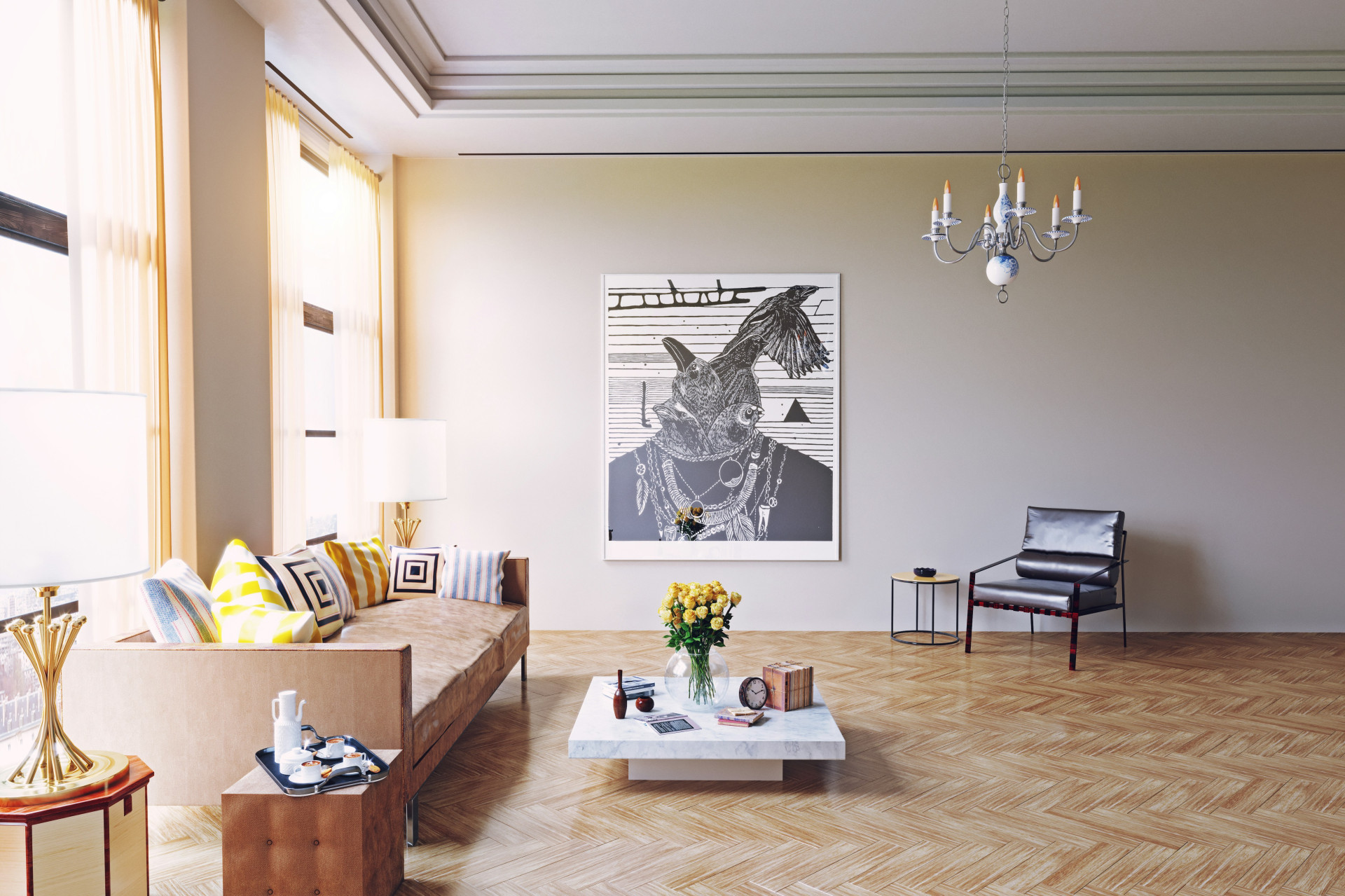
Light That Highlights the Textures and Details of Art
When we look at a piece of art, it’s often the light that determines how we experience it. A painting can appear flat and lifeless under the wrong lighting—but vibrant and full of depth when illuminated correctly. Light is not just a practical necessity; it’s a creative tool that can reveal brushstrokes, shadows, and textures, transforming the atmosphere of a room. In this article, we’ll explore how the right lighting can bring out the richness and character of the art in your home.
Light as Part of the Experience
An artwork is meant to be seen—but how it’s seen depends on its surroundings. Light can enhance colors, create contrast, and give life to surfaces. An oil painting with thick layers of paint looks dramatically different when light falls across it at an angle, revealing its texture, than when it’s lit directly from the front. Similarly, a photograph or print often benefits from softer, more diffused light that preserves detail without glare.
When planning how to light your art, it’s not just about visibility—it’s about creating the right mood and depth.
Choosing the Right Light Source
The type of light and its color temperature have a major impact on how colors appear.
- LED lighting is now the most popular choice because it’s energy-efficient and gentle on artwork. Choose LED bulbs with a high color rendering index (CRI above 90) to ensure colors look natural and true.
- Halogen lights produce a warm, intense glow but generate heat, which can damage delicate materials over time.
- Natural light can be beautiful but must be controlled. Direct sunlight can fade pigments, so use curtains or UV-filtering glass if your artwork hangs in a bright room.
A color temperature around 2700–3000 kelvin provides a warm, inviting light that suits most homes and art styles.
Placement and Angle
How light hits the artwork is crucial to how it’s perceived. A 30–45 degree angle is often ideal—it highlights texture without creating distracting reflections. If you have multiple pieces on a wall, adjustable spotlights allow you to tailor the lighting for each one.
Avoid placing lights directly above the artwork, where the light falls straight down. This can cause harsh shadows and glare. Instead, consider wall-mounted fixtures or track lighting systems that offer flexibility if you rearrange your space later.
Creating Depth with Layers of Light
A well-lit room isn’t about a single lamp—it’s about the interplay of multiple light sources. Combine ambient lighting with focused art lighting and perhaps accent lighting in the background. This creates a balanced environment where the artwork feels integrated rather than isolated.
A subtle spotlight that draws attention to a painting can be complemented by a soft floor lamp nearby, which smooths out contrasts. The result is both focus and harmony.
Læs også:

Materials and Surfaces Matter
Different types of art require different lighting approaches. A textured canvas can handle more dramatic lighting, while glossy photographs or glass-framed pieces need gentler, diffused light to avoid reflections. Matte surfaces can be lit more directly, while shiny materials benefit from softer illumination.
For sculptures or textile art, side lighting can emphasize form and structure. Even small adjustments in angle can make a striking difference in how the piece is experienced.
Using Light to Tell a Story
Light can also serve as a storytelling element. A warm, golden glow can give a classic painting an intimate, nostalgic feel, while cooler, white light can emphasize the modern edge of an abstract piece. By adjusting brightness and color tone, you can shift the atmosphere of a room—and the way the art is perceived.
Consider using dimmable fixtures so you can adapt the lighting to the time of day or your mood. This flexibility ensures your artwork always looks its best.
An Investment in the Experience
Lighting art properly takes thought, but it’s an investment that pays off. The right light can transform a space and breathe new life into your collection. It’s not about flooding the room with brightness—it’s about balance: between light and shadow, between function and feeling.
Next time you hang a new piece, take a moment to observe how the light falls. Maybe the fixture needs to shift slightly, or the bulb could be a different tone. Small adjustments can make a big difference—and let the art shine as the artist intended.
Læs også: