Laminate Tables with Long Lifespan – a Durable and Sustainable Choice

Laminate Tables with Long Lifespan – a Durable and Sustainable Choice
A table is more than just a piece of furniture. It’s a gathering place in the home, the office, or the cafeteria – a spot where everyday life unfolds. That’s why it’s important to choose a table that can withstand daily use while also supporting a sustainable lifestyle. Laminate tables have become one of the most popular choices in the U.S. because they combine durability, style, and environmental responsibility in a way that fits modern living.
What Is a Laminate Table?
A laminate table typically consists of a core made from particleboard or MDF, covered with a layer of laminate – a hard, wear-resistant surface that protects against scratches, stains, and heat. The laminate itself is created by pressing multiple layers of paper and resin together under high pressure, resulting in a dense and durable finish.
The result is a table that can handle years of everyday use without losing its appearance. This makes laminate tables ideal for homes, offices, schools, restaurants, and other high-traffic environments where furniture needs to be both practical and long-lasting.
Læs også:

Everyday Durability
One of the biggest advantages of laminate tables is their resistance to wear and tear. The surface can handle hot coffee cups, spilled drinks, and regular cleaning with common household cleaners. Unlike solid wood tables, which require periodic oiling or waxing, laminate surfaces are virtually maintenance-free.
That means you get a table that stays beautiful for years – even in busy spaces. For families with kids or workplaces with heavy use, laminate tables are a practical solution that saves both time and money in the long run.
A Sustainable Choice
Sustainability isn’t just about materials – it’s also about longevity. A table that lasts 15–20 years is inherently more eco-friendly than one that needs replacing every few years. Many U.S. manufacturers now produce laminate tables using certified materials and environmentally responsible production methods.
Some laminates are made with recycled paper and low-emission adhesives, reducing their environmental footprint. In addition, many laminate tabletops can be recycled or repurposed at the end of their life cycle. Choosing a laminate table is therefore a smart way to combine functionality with environmental awareness.
Design and Variety
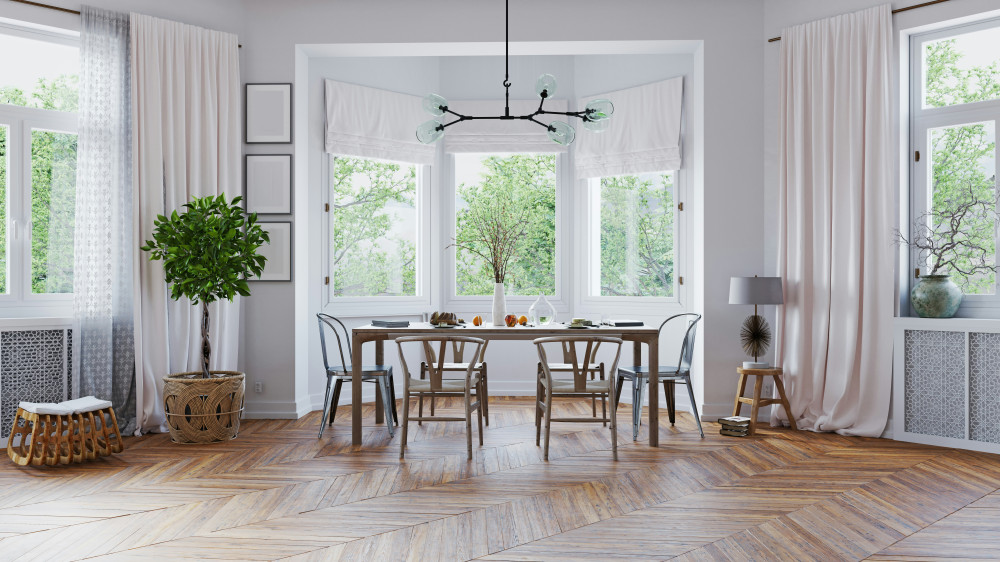
Laminate tables come in a wide range of colors, patterns, and textures. You can choose from classic white or black to realistic wood and stone designs that bring warmth and sophistication to any space. This design flexibility makes it easy to find a table that fits both modern and traditional interiors.
Laminate can also be paired with different base materials – from sleek metal legs to solid wood frames – allowing you to create the exact look you want. This versatility is one of the reasons laminate tables are so popular among homeowners, designers, and business owners alike.
How to Extend the Life of Your Table
Although laminate is a tough material, a few simple habits can help extend your table’s lifespan even further:
- Use trivets or coasters under hot pots and dishes.
- Wipe up spills immediately to prevent moisture from seeping into seams.
- Avoid cutting directly on the surface – use a cutting board instead.
- Clean with a soft cloth and mild detergent – avoid abrasive sponges or cleaners.
With proper care, a laminate table can maintain its look and function for decades, without the need for extensive maintenance.
A Table for the Future
Laminate tables represent a perfect balance of function, design, and responsibility. They’re built to last, easy to care for, and adaptable to any style. In a time when sustainability and quality matter more than ever, laminate tables stand out as a smart choice for both homes and businesses – furniture that’s ready to keep up with life, year after year.
Læs også: