Keep Your Dog Mentally Sharp with Small Challenges

Keep Your Dog Mentally Sharp with Small Challenges
A healthy dog needs more than daily walks and a comfy bed. Just like people, dogs thrive when their minds are active and engaged. Without mental stimulation, even the calmest pup can become bored—and boredom often leads to unwanted behaviors like barking, digging, or chewing on furniture. The good news is that keeping your dog’s brain busy doesn’t require fancy equipment or hours of training. With a few small challenges, you can make your dog’s day more interesting and fulfilling.
Why Mental Stimulation Matters
Dogs are intelligent, curious animals. In the wild, they would spend much of their time exploring, hunting, and solving problems. As family pets, their lives are often predictable—food appears in a bowl, walks follow the same route, and toys stay the same. Mental stimulation helps to:
- Prevent boredom and stress – a tired mind is a calm mind.
- Strengthen your bond – working together builds trust and communication.
- Improve learning and focus – regular challenges keep the brain flexible.
- Boost confidence – success in small tasks helps dogs feel secure in new situations.
Even a few minutes of mental exercise each day can make a big difference in your dog’s overall well-being.
Læs også:



Turn Mealtime into a Game
Instead of simply filling the food bowl, make your dog work a little for their meal. It’s fun, rewarding, and taps into their natural instincts.
- Puzzle feeders and treat-dispensing toys: Your dog has to roll, nudge, or paw at the toy to release the food.
- Hide the kibble: Scatter dry food around the yard or living room so your dog has to sniff it out.
- Create a “food treasure hunt”: Hide small treats in cardboard boxes, under cups, or inside rolled-up towels.
These activities encourage problem-solving and satisfy your dog’s desire to forage—just like their ancestors once did.
Teach New Tricks—At Any Age
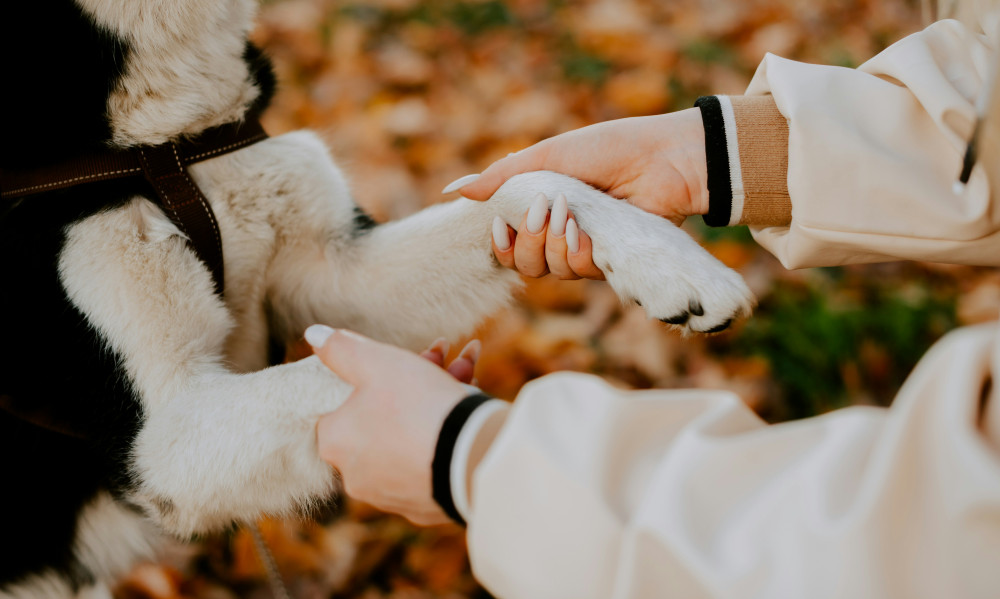
Learning new commands isn’t just for puppies. Adult and senior dogs benefit from training, too. Start with simple cues like “sit,” “stay,” or “shake,” and gradually move on to more complex tricks such as rolling over, fetching specific items, or turning off a light switch with their nose.
Keep sessions short and positive—five minutes of success is better than thirty minutes of frustration. Use praise and treats as rewards, and remember that the goal is teamwork, not perfection.
Engage the Nose—Your Dog’s Superpower
A dog’s sense of smell is extraordinary, and scent-based games are among the most satisfying mental workouts you can offer. Try these easy activities:
- Hide a treat in another room and let your dog find it.
- Use a piece of fabric or an old sock with a familiar scent for your dog to identify.
- Create a scent trail in the yard by dragging a treat along the ground and letting your dog follow the path.
Scent work requires focus and patience, and it’s a great way to tire your dog out in a healthy, natural way.
Mix Up the Routine
Small changes in your daily routine can provide new mental challenges. Take a different route on your walk, visit a new park, or let your dog choose the direction for a few minutes. New smells, sounds, and textures keep the experience fresh and exciting.
You can also give your dog a “job” by letting them wear a lightweight backpack with a few soft items inside. It gives them a sense of purpose and helps them stay focused during walks.
Choose Toys with Purpose
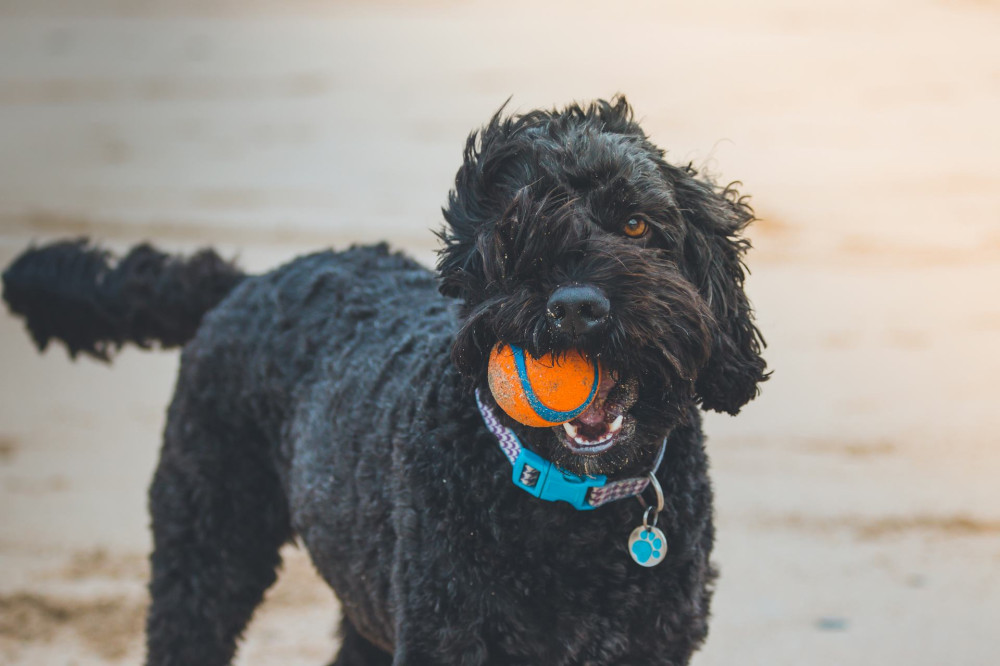
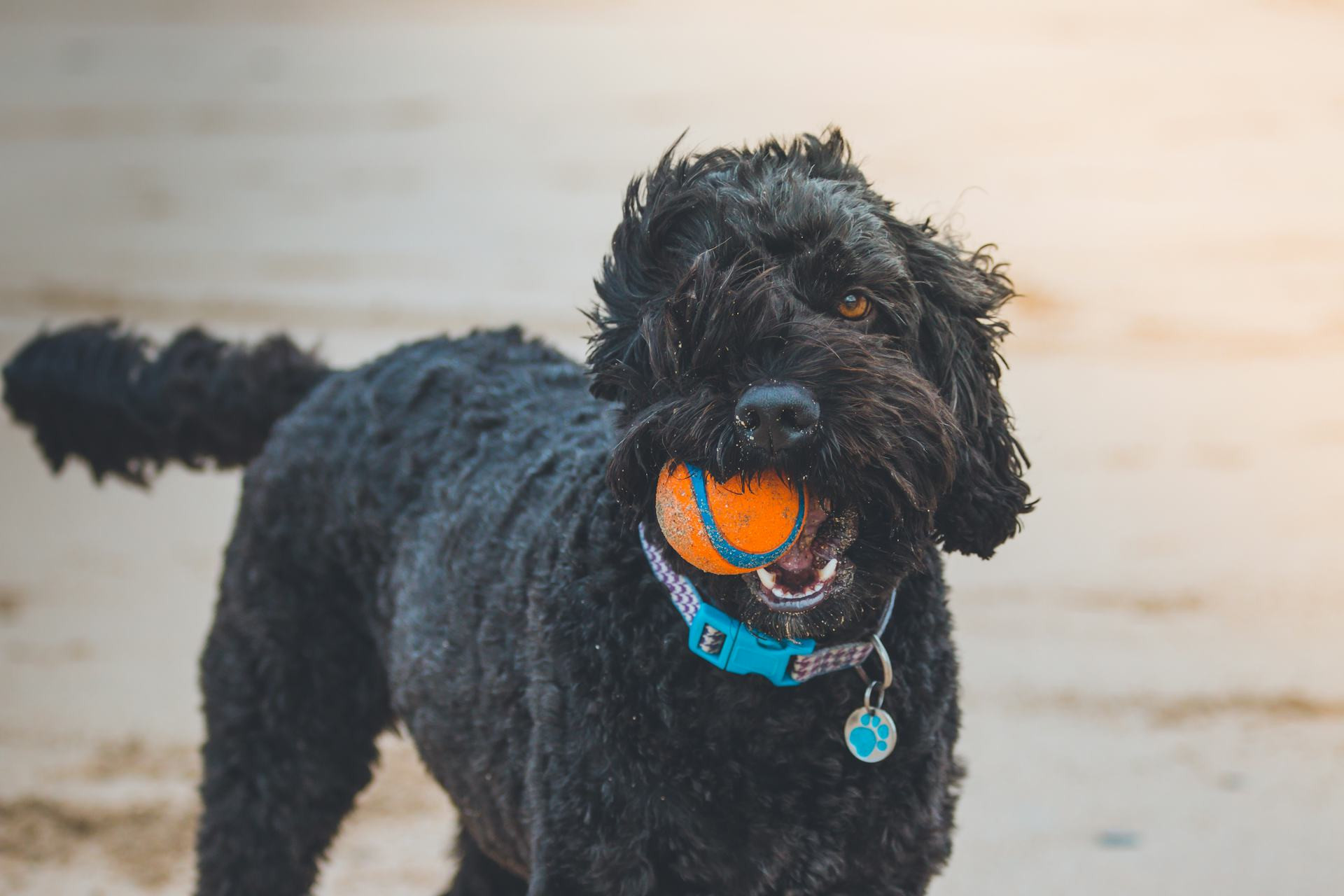
Toys aren’t just for play—they’re tools for learning. Rotate your dog’s toys regularly to keep things interesting. Ropes, balls, chew toys, and interactive puzzles each stimulate different senses and skills. Always choose toys that match your dog’s size and temperament, and supervise playtime to keep it safe and fun.
Don’t Forget Senior Dogs
Older dogs may slow down physically, but their minds still crave activity. Adjust the difficulty of challenges to match their abilities—gentle scent games, easy training exercises, and simple puzzle toys are perfect for keeping their brains active. Mental stimulation can even help delay cognitive decline and keep your senior dog happier for longer.
A Happier, More Balanced Dog
Mental stimulation isn’t about making life complicated—it’s about giving your dog opportunities to think, explore, and succeed. A dog that gets to use its brain is often calmer, more confident, and more connected to its owner.
So next time you grab the leash or pour out the kibble, think about how you can make it just a little more interesting. Your dog will thank you with a wagging tail and a sharper mind.
Læs også: