How to Keep Track of Changes in Electrical Installations

How to Keep Track of Changes in Electrical Installations
The electrical system in your home is one of its most important—and most hidden—components. It powers everything from lighting to appliances, yet it’s often overlooked until something goes wrong. When you make changes or upgrades, it’s essential to keep track of what was done, when, and by whom. Doing so helps ensure safety, compliance with electrical codes, and easier maintenance down the road. Here’s a guide to help U.S. homeowners stay organized and informed about their electrical installations.
Know the Rules—and Your Responsibility
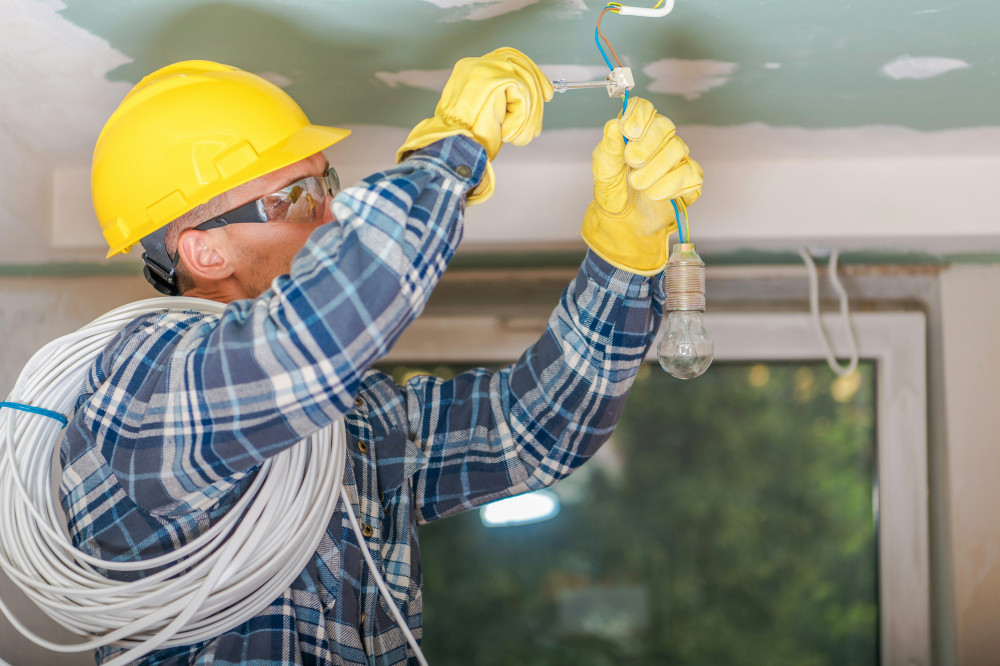
As a homeowner, you’re responsible for making sure your home’s electrical work meets the National Electrical Code (NEC) and any local building regulations. In most cases, any work involving permanent wiring, new circuits, or changes to the electrical panel must be performed by a licensed electrician. This includes adding outlets, installing new lighting circuits, or upgrading service panels.
You can handle small tasks yourself—like replacing a light fixture or installing a plug on a cord—but anything that involves wiring inside walls or the breaker panel should be left to a professional. It’s not just about following the law; it’s about safety. Faulty wiring can cause fires, electric shocks, or damage to your home’s electrical system.
Get Documentation for Every Job
Whenever you hire an electrician, ask for documentation of the work performed. This might include an invoice, a work order, or a certificate of completion that describes what was done and confirms that it meets code requirements.
Keep these documents in a safe place along with other important home records—such as inspection reports, permits, and warranty information. If you ever sell your home or need troubleshooting later, this paperwork can save time and money. A good rule of thumb: if you can’t document what was done, you can’t prove it was done correctly.
Keep a Log of Changes Over Time
Your electrical system evolves as your home does. Maybe you’ve remodeled the kitchen, added a home office, or installed an EV charger. Each time you make a change, record it in an electrical log—a simple record of what was modified, when, and by whom.
You can keep this log digitally or on paper. The key is to keep it updated and easy to find. Include details such as:
- Date of the work
- Area or room affected
- Description of the change
- Name, license number, and contact info of the electrician
- Related documents or photos
An electrical log gives you a clear overview of your system’s history and helps future electricians understand what’s been done.
Use Photos and Diagrams
A picture can be worth a thousand words—especially when it comes to wiring hidden behind walls. Take photos before and after any electrical work, particularly if wires or junction boxes will be covered. These images can be invaluable if you need to locate wiring later or troubleshoot a problem.
If you have access to your home’s floor plans, mark where outlets, switches, and wiring runs are located. A visual reference makes it easier to plan future upgrades and helps electricians work more efficiently.
Læs også:
Inspect Regularly
While electrical systems don’t require frequent servicing, it’s smart to check them periodically for signs of wear or damage. Look for:
- Loose outlets or switches
- Discoloration or a burning smell near outlets
- Breakers that trip repeatedly
- Old or frayed wiring
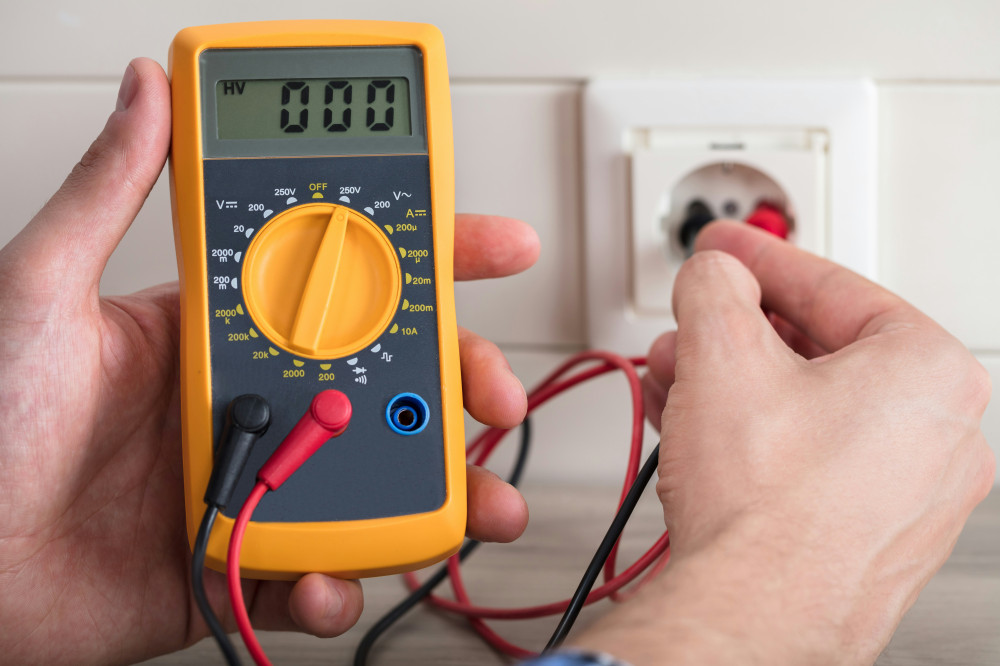
If you notice anything unusual, contact a licensed electrician. A professional inspection can identify potential hazards before they become serious problems.
When Buying or Selling a Home
Electrical documentation plays an important role in real estate transactions. During a home inspection, buyers often want to know whether the electrical system is safe and up to code. Having records of past work and permits can increase buyer confidence and even add value to your home.
As a buyer, reviewing this documentation helps you understand whether upgrades or repairs may be needed. As a seller, it shows that your home has been properly maintained and that safety has been a priority.
Make It a Habit
Keeping track of electrical changes doesn’t have to be complicated. It’s mostly about building good habits: save documentation, maintain a log, and take photos whenever work is done. By doing so, you’ll have a well-documented, safe, and reliable electrical system that serves your home for years to come—and you’ll avoid costly surprises in the future.
Læs også: