Do an Annual Home Safety Check

Do an Annual Home Safety Check
Your home should be more than comfortable – it should be safe. Many people only think about safety after an accident happens, but a yearly home safety check can prevent fires, water damage, and break-ins. It doesn’t have to be expensive or time-consuming – just a careful walkthrough to make sure everything is working as it should. Here’s a guide to help you perform a thorough safety check of your home.
Start with the Essentials: Fire Prevention
Home fires often start from small, preventable issues. Once a year, take time to check:
- Smoke alarms – test each one and replace batteries if needed. Smoke alarms typically last about 10 years, so replace older units.
- Fire extinguishers – make sure the pressure gauge is in the green zone and the hose is intact. If you have a dry chemical extinguisher, have it serviced or replaced every few years.
- Fire blankets or kitchen extinguishers – keep them visible and easy to reach, especially in the kitchen.
- Electrical cords and outlets – look for frayed wires, loose plugs, or overloaded power strips.
It’s also smart to practice a fire escape plan with your family. Make sure everyone knows two ways out of each room and where to meet outside.
Prevent Water Damage and Mold
Water leaks can cause major damage if left unnoticed. A yearly inspection can save you money and stress.
- Check your roof for missing shingles or damaged flashing.
- Clean gutters and downspouts so rainwater can flow freely.
- Look under sinks and around appliances for drips or moisture.
- Make sure basement floor drains and bathroom drains are clear.
If you own a house, consider installing a water leak detector or automatic shutoff valve to prevent costly flooding.
Protect Against Break-Ins
Home safety also means keeping intruders out. Many burglaries happen because doors or windows are easy to force open.
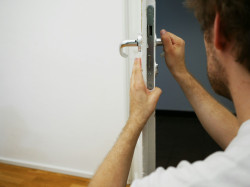
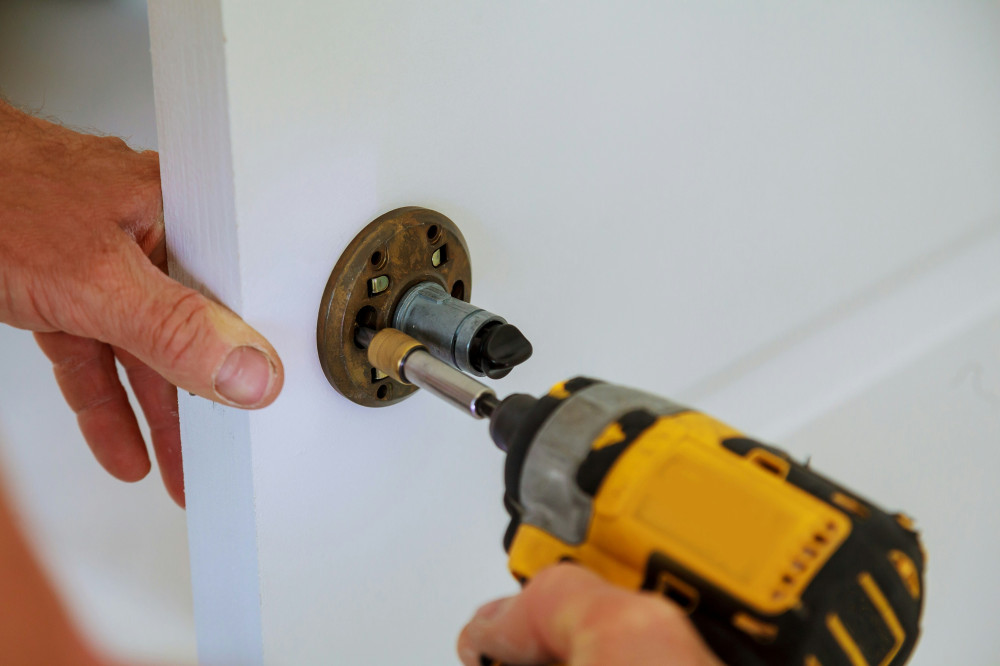
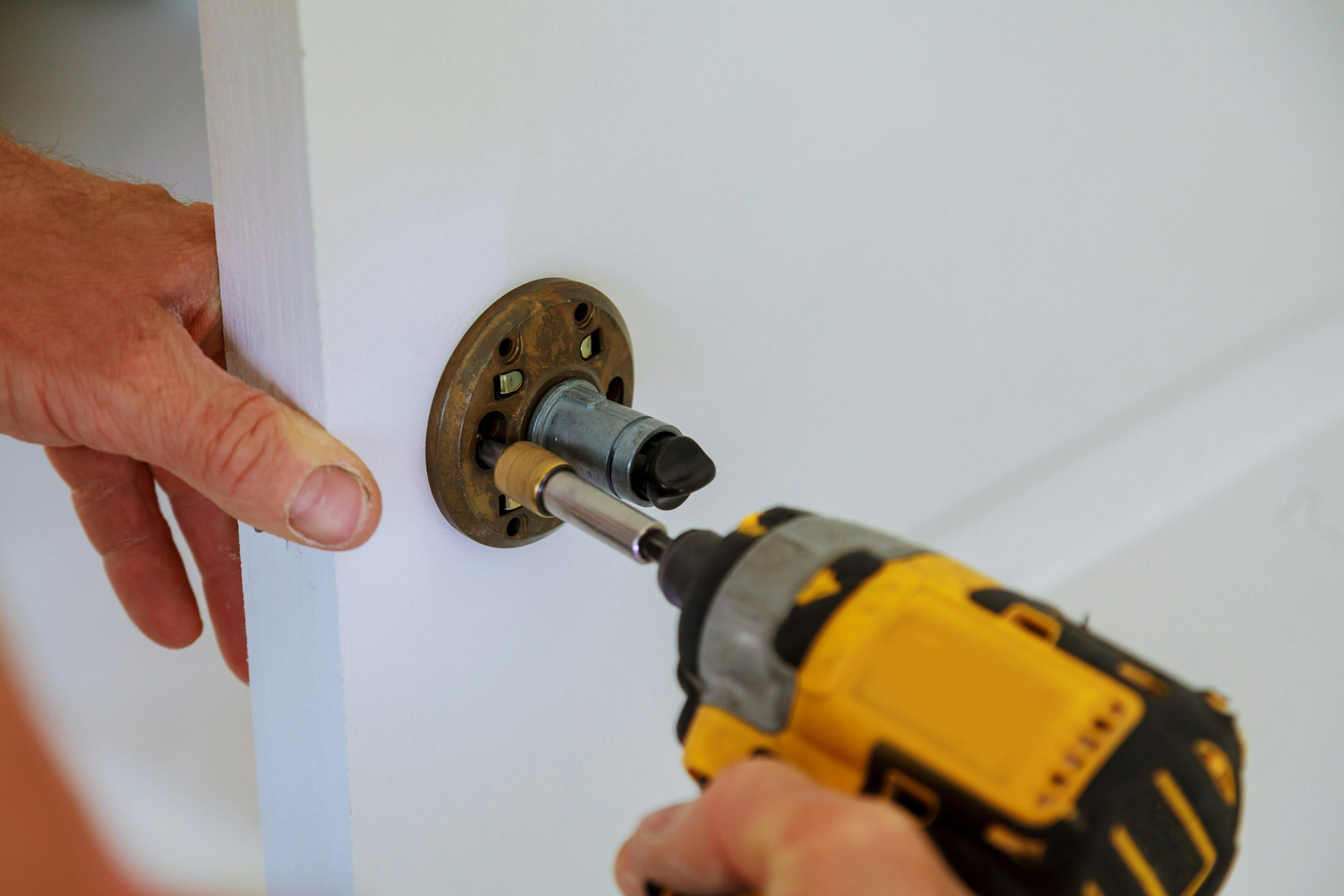
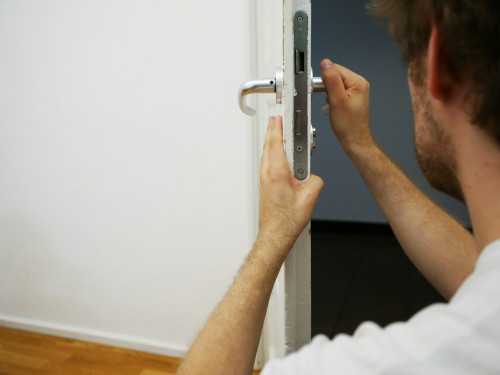
- Test all locks and replace any that are worn or loose.
- Add deadbolts or security bars to vulnerable doors and windows.
- Check that outdoor lighting works – motion-sensor lights are especially effective.
- Trim shrubs and trees near windows to remove hiding spots.
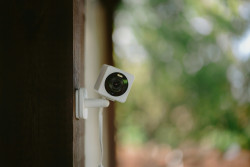
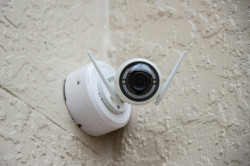
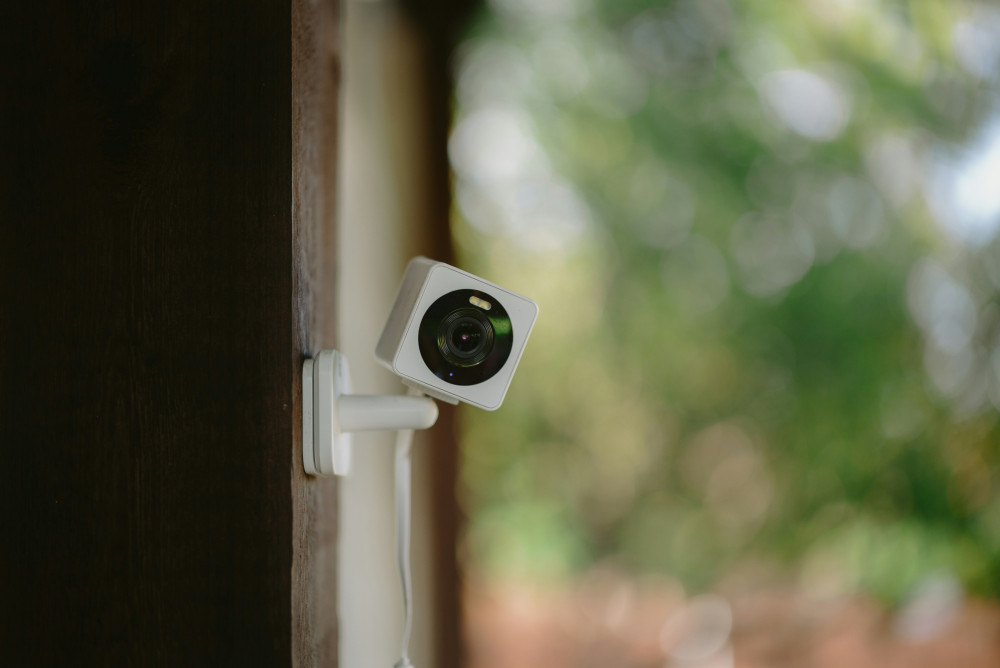
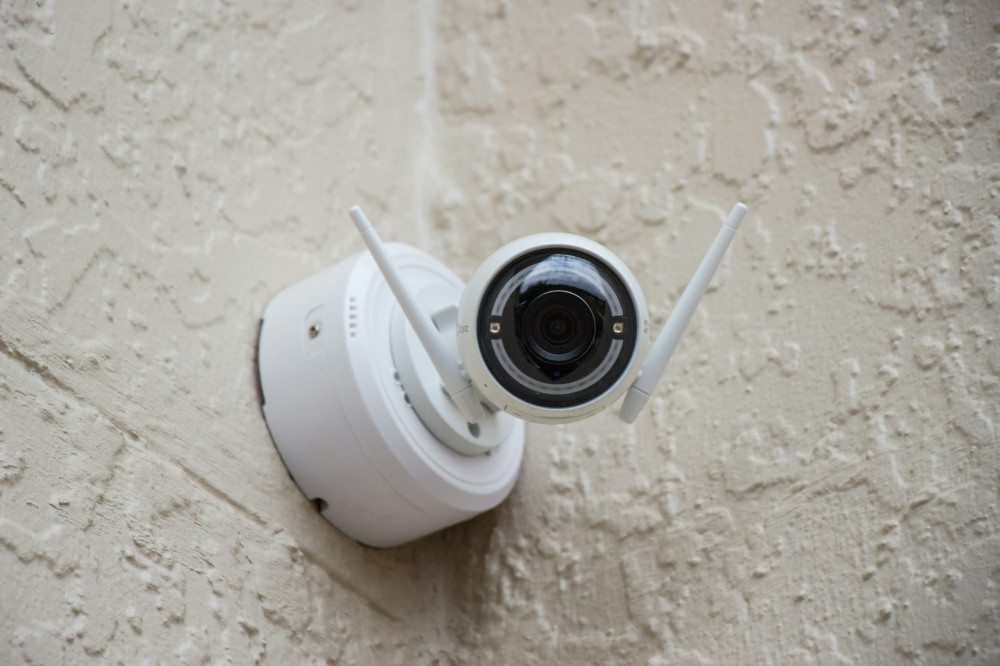
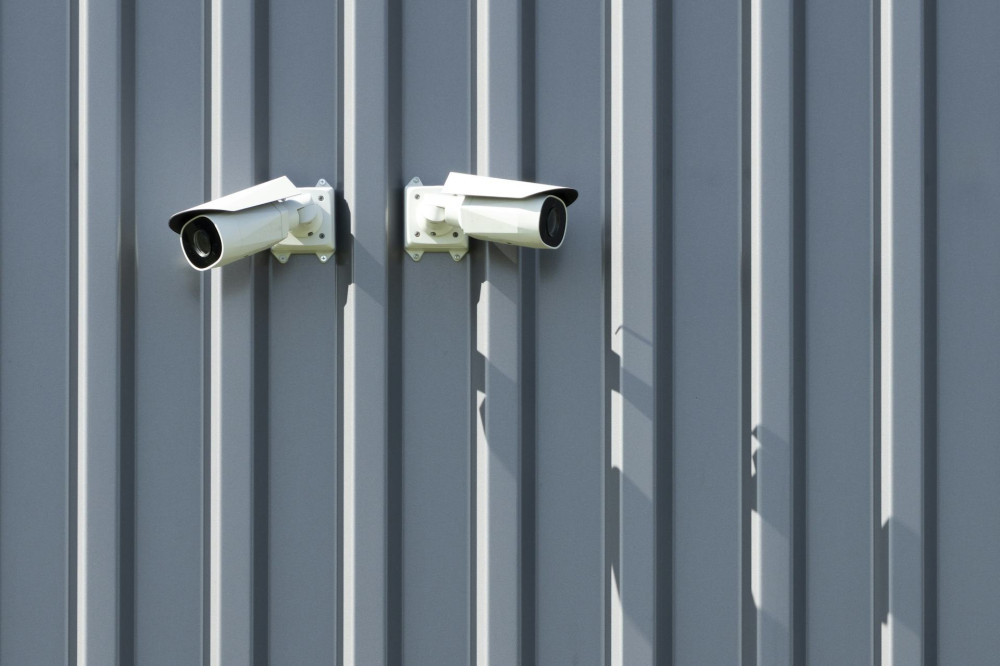
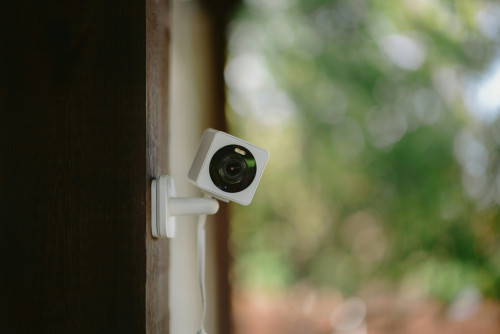
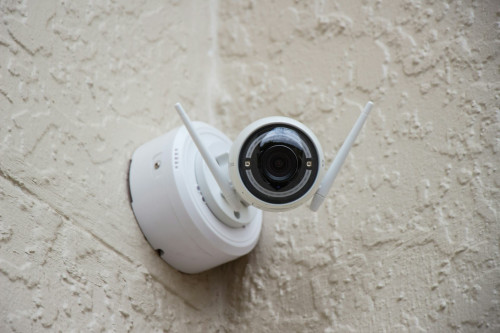
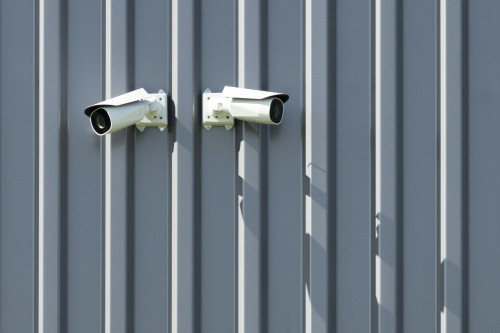
If you have a security system, test it and update access codes. Even a visible security sign can deter potential burglars.
Læs også:
Everyday Safety Habits
Safety isn’t just about annual checks – it’s also about daily habits. Make sure:
- Your first-aid kit is stocked and easy to find.
- Emergency numbers and insurance contacts are posted where everyone can see them.
- Candles are never left unattended, and small appliances are turned off when you leave home.
It’s helpful to keep a safety binder with receipts, service records, and emergency contacts in one place.
Make It a Yearly Tradition
It’s easy to forget, but setting a fixed date – perhaps every spring or fall – helps make your safety check a habit. You can even combine it with seasonal chores like deep cleaning or yard work.
An annual home safety check not only gives you peace of mind but may also help with insurance claims if something goes wrong. Most importantly, it can save lives.
Læs også: