Use Energy-Saving Programs and Features Effectively in Your Appliances

Use Energy-Saving Programs and Features Effectively in Your Appliances
Most modern home appliances today come with built-in energy-saving programs and features designed to cut down on electricity and water use. Yet many people don’t take full advantage of them—either because they’re unaware of how they work or because they assume these settings take too long or don’t clean as well. In reality, using these features properly can save you money and reduce your environmental footprint. Here’s how to make the most of your appliances’ energy-saving options.
Understand How Energy-Saving Programs Work
Energy-saving or eco programs typically operate at lower temperatures and for longer cycles. That might sound counterintuitive, but the extended time allows the appliance to achieve the same cleaning or drying results with less energy. The water heats more gradually, and the motor or compressor runs more efficiently.
For example, an eco cycle on a dishwasher can use 30–40% less energy than a standard cycle. On washing machines, the difference can be even greater—especially if you wash clothes in cold or warm water instead of hot.
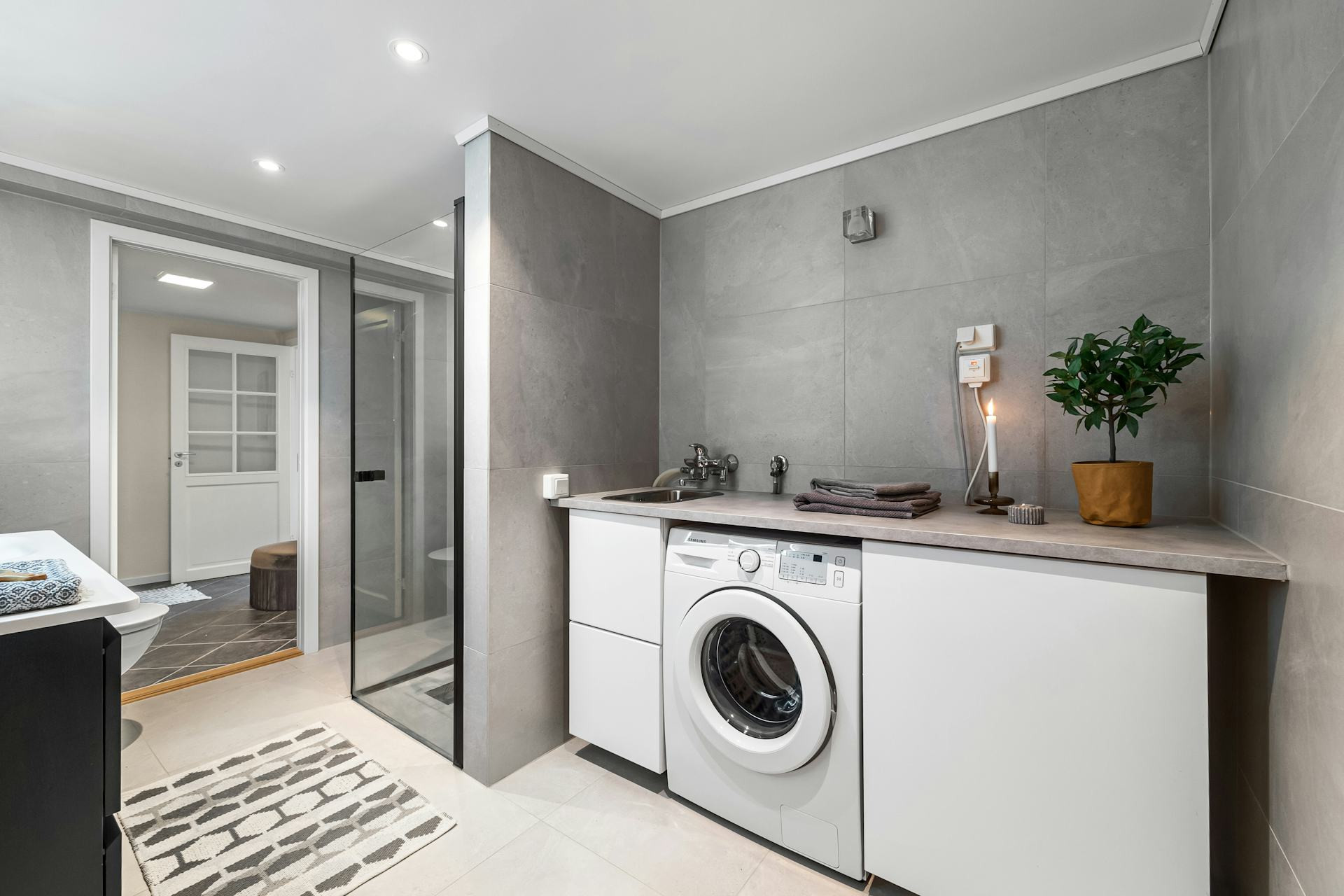
Washing Machine – Small Changes, Big Savings
Your washing machine is one of the biggest energy users in your home, but it’s also one of the easiest to optimize.
- Use the eco cycle for everyday laundry. It takes longer but uses significantly less electricity.
- Run full loads. A half-full washer uses nearly the same amount of energy as a full one.
- Wash in cold water. Modern detergents clean effectively in cold water, and you can cut energy use by up to half.
- Skip the prewash. Most stains come out without it, saving both water and power.
If your washer has an auto-sensing or load-sensing feature, turn it on—it adjusts water levels based on the size of the load, improving efficiency.
Dishwasher – Let It Do the Work
The dishwasher’s eco program is designed to use less water and energy, but many people avoid it because it takes longer. In practice, the longer cycle allows the machine to heat water more efficiently and reuse it effectively, while still delivering spotless dishes.
- Use the eco cycle for normal loads. It’s ideal for everyday dishwashing.
- Don’t pre-rinse dishes by hand. Scrape off food scraps instead—hand-rinsing wastes gallons of water.
- Run the dishwasher only when full. This maximizes energy and water efficiency.
- Clean the filter regularly. A clean filter helps the machine run smoothly and use less energy.
Some newer models include soil sensors that detect how dirty the water is and adjust the cycle automatically—saving both time and energy.
Refrigerator and Freezer – Simple Adjustments That Matter
Your refrigerator runs 24/7, so even small improvements can make a big difference in energy use.
- Set the right temperature. Keep your fridge at about 37–40°F and your freezer at 0°F.
- Close the door quickly. Every second the door stays open, the appliance has to work harder to cool down again.
- Defrost regularly. A layer of frost just a quarter-inch thick can increase energy use by up to 30%.
- Keep appliances away from heat sources. Avoid placing them near ovens, dishwashers, or direct sunlight.
Many newer models include eco modes or vacation settings that automatically reduce energy use when you’re away or using the appliance less frequently.
Clothes Dryer – Use It Wisely
Clothes dryers are among the most energy-intensive appliances, but you can still save with a few smart habits.
- Use sensor-dry programs. They stop automatically when clothes are dry, preventing over-drying and wasted energy.
- Clean the lint filter after every load. A clogged filter restricts airflow and lengthens drying time.
- Spin clothes well in the washer first. The drier your clothes are before drying, the less energy the dryer needs.
- Try the eco or low-heat setting. It uses less energy and is gentler on fabrics.
Whenever possible, air-dry clothes on a rack or line—it’s free and helps your clothes last longer.
Combine Technology with Good Habits
Even the most efficient appliances need smart use to deliver real savings. A few mindful habits can make a big difference:
- Turn appliances off completely instead of leaving them on standby.
- Plan laundry and dishwashing so you run full loads.
- If your utility offers time-of-use rates, schedule appliances to run when electricity is cheaper.
By combining energy-saving programs with conscious habits, you can significantly reduce your household’s energy consumption—without sacrificing comfort or convenience.
An Investment in Your Home and the Planet
Using your appliances’ energy-saving features isn’t just about lowering your utility bills—it’s also about building a more sustainable home. Lower energy use means fewer greenhouse gas emissions, and taking good care of your appliances helps them last longer.
It might take a little adjustment to choose the eco cycle instead of the quick one, but over time, the savings add up—for your wallet and for the environment.