Soft Textiles That Create Calm in Your Wellness Space


Soft Textiles That Create Calm in Your Wellness Space
A wellness space isn’t just about candles, essential oils, or soothing playlists—it’s also about the materials that surround you. Soft textiles play a key role in creating comfort, quiet, and a sense of well-being. They soften sound, invite relaxation, and give your space a warm, welcoming atmosphere. Here’s how you can use textiles to transform your wellness area into a personal retreat.
Find Balance with Natural Materials
When choosing textiles for your wellness space, look for natural fibers like cotton, linen, wool, and bamboo. These materials feel gentle against the skin, help regulate temperature, and contribute to a healthy indoor environment.
- Cotton is a timeless favorite—soft, breathable, and easy to care for. It’s perfect for towels, robes, and throw pillows.
- Linen has a light, airy texture that gives a relaxed look and dries quickly, making it ideal for curtains or lounge furniture.
- Wool adds warmth and texture, especially in the form of throws or area rugs.
- Bamboo is a sustainable choice that’s naturally antibacterial and silky smooth.
Mixing different materials creates a layered look that feels both inviting and harmonious.
Soften Sound and Create Serenity
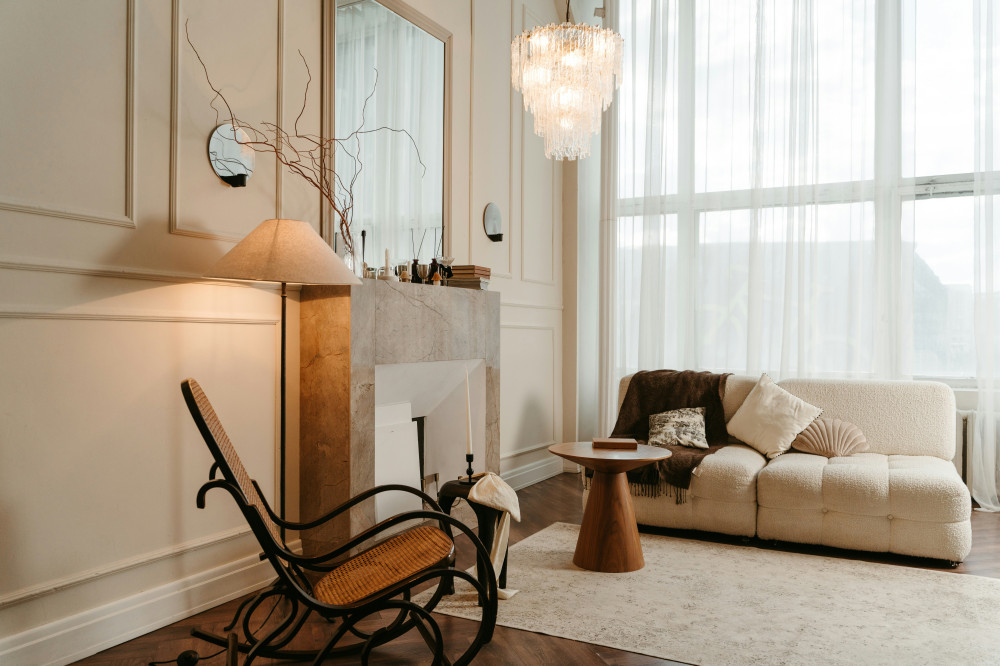
A wellness space should be a place where you can breathe deeply and unwind. Textiles have the wonderful ability to absorb sound, reducing echo and background noise. Thick curtains, upholstered furniture, and plush rugs can make a noticeable difference in how peaceful a room feels.
Consider using heavy drapes in muted tones to filter light and create a sense of privacy. A large rug under a reading chair or beside a soaking tub can also help define the space and make it feel grounded and calm.
Colors That Support Well-Being
Color has a powerful effect on mood. In a wellness space, choose shades that promote relaxation and balance. Neutrals like sand, cream, gray, and soft green create a natural, soothing atmosphere.
If you want to add warmth, try earthy tones such as terracotta, caramel, or olive. These hues bring depth without overwhelming the senses. Avoid too many sharp contrasts—aim for a cohesive palette that allows the eye to rest.
Details That Make a Difference
Small textile touches can have a big impact on how your space feels. A plush bath mat underfoot, a thick robe, or a set of matching towels can elevate your daily routine and add a touch of luxury.
Layering textures also enhances comfort and visual interest. Combine a chunky knit throw with smooth cotton cushions, or pair a linen curtain with a wool rug. These subtle contrasts make the space feel more personal and inviting.
Care and Longevity
To keep your textiles soft and fresh, follow care instructions carefully. Wash at gentle temperatures to preserve fibers, and use eco-friendly detergents free from synthetic fragrances. This not only protects your fabrics but also maintains a clean, natural scent in your wellness space.
Investing in quality over quantity pays off in the long run. High-quality textiles last longer, feel better, and support a more sustainable lifestyle.
Create Your Personal Sanctuary
Your wellness space should reflect your personality and needs. Some people prefer a minimalist look with a few carefully chosen pieces, while others thrive in a more layered, sensory environment. Whatever your style, the goal is to create a space that feels good to be in—a place where you can slow down, recharge, and find calm.
With the right textiles, you can craft an atmosphere that nurtures warmth, balance, and everyday well-being.