Small Rituals to Help You Transition from Work to Leisure

Small Rituals to Help You Transition from Work to Leisure
When the workday ends, your mind doesn’t always get the memo. Thoughts about emails, deadlines, and meetings can easily follow you into the evening—especially if you work from home or have a mentally demanding job. That’s why small, intentional rituals can be a powerful way to mark the shift from work to leisure. They help your brain change gears and your body relax. Here are some ideas to help you create your own transition rituals.
End the Workday with Intention
A simple but meaningful ritual is to close your workday in a clear, deliberate way. This might mean tidying your desk, shutting down your computer, and jotting down a short list of what to tackle tomorrow. By doing this, you “park” your work thoughts and give yourself permission to rest.
If you work from home, set a specific time to “leave work,” even if you’re not leaving the house. Turn off the lights in your workspace, close the door, and maybe even change clothes. These small actions send a clear signal to your body and mind that the workday is over.
Create a Transition Activity
The shift from work to leisure becomes easier when you include an activity that marks the change. It could be a short walk, a drive home with your favorite playlist, a shower, or a few minutes of stretching. The goal is to give your brain time to switch modes.
- Take a walk without your phone – let your thoughts wander and notice your surroundings.
- Listen to music or a podcast that puts you in a different mood than work.
- Make a cup of tea or coffee and enjoy it without checking your messages.
- Take a shower or wash your face – the physical change in temperature and scent can help you reset.
Even five minutes can make a difference if you do it consistently.
Use Movement to Release the Day
If you’ve been sitting most of the day, physical activity can be an effective way to shake off work. It doesn’t have to be an intense workout—the key is to get your body moving and shift your focus away from your thoughts.
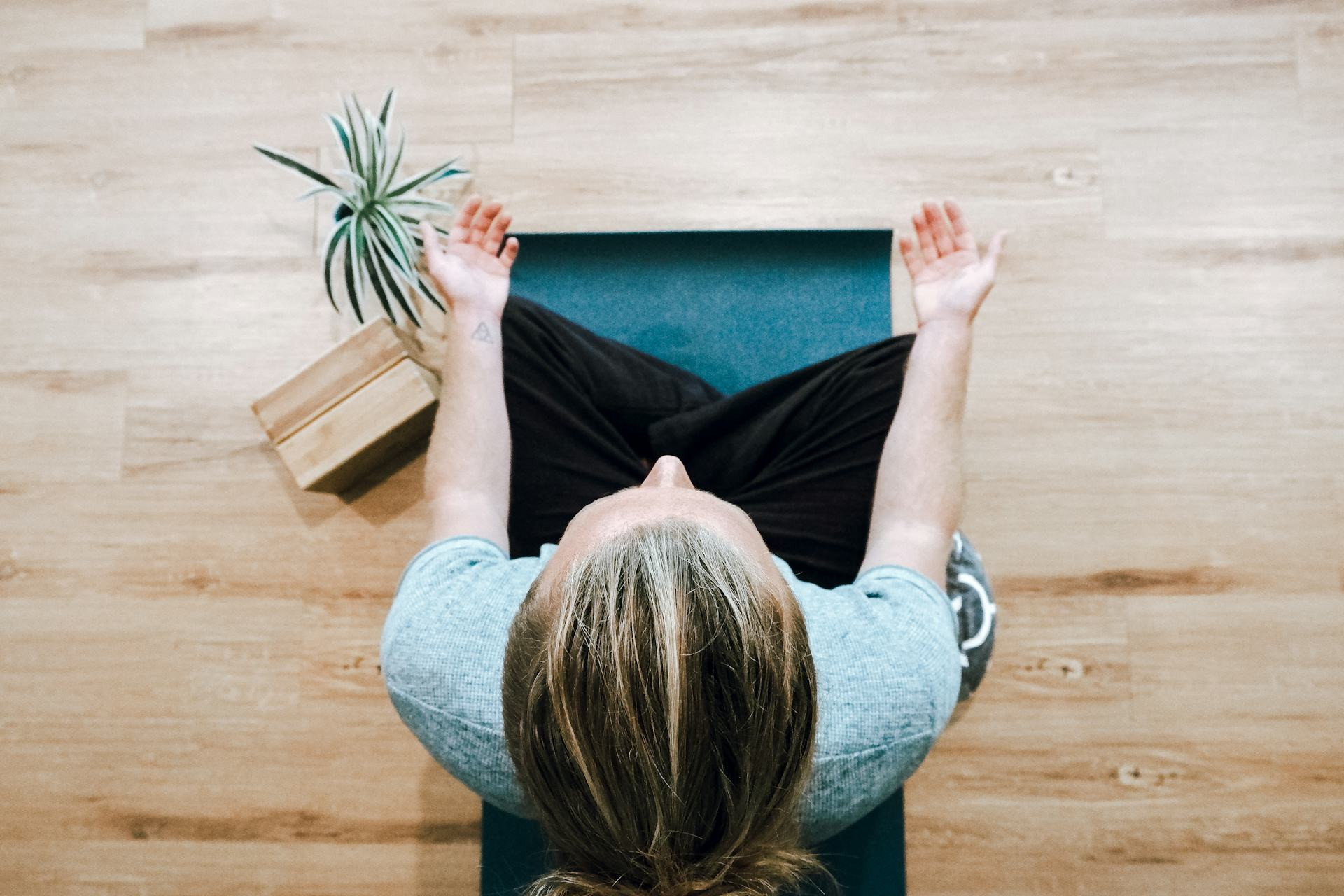
Try yoga, a short run, or a few minutes of stretching in your living room. Movement helps release tension and signals to your body that the day’s tasks are done. Many people find it easier to relax afterward because their body has had a chance to “speak.”
Change Your Environment—Physically and Mentally
When you work from home, it can be hard to separate work and leisure because they happen in the same space. Small environmental changes can make a big difference. Light a candle, adjust the lighting, or open a window for fresh air. These sensory cues help create a new atmosphere and remind you that you’ve entered a different part of the day.
You might also use a small object to symbolize the transition—perhaps a plant you move to your desk only during work hours, or a scent you reserve for evenings. It may sound simple, but sensory signals play a big role in how we experience change.
Give Yourself a Mental Pause
One of the most effective rituals is to give yourself a few quiet moments where you don’t have to perform or produce. Sit still for a few minutes, take deep breaths, or write down a few things you’re grateful for. This helps you slow down and become present.
If you find it hard to “turn off” your thoughts, try a short guided meditation or simply focus on your breathing. The goal isn’t to empty your mind, but to give it a different focus.
Build an Evening Routine That Brings Calm
Once you’ve stepped into your free time, reinforce the feeling of relaxation with small evening rituals. Cook dinner at an unhurried pace, take a warm shower, read a book, or listen to music. Repeating the same calming actions each evening helps your body recognize that it’s time to unwind.
Try to keep work from creeping back in through emails or messages. Consider setting your phone to “Do Not Disturb” after a certain hour so you can be fully present in your downtime.
Small Steps, Big Impact
Creating a clear boundary between work and leisure isn’t about major changes—it’s about awareness. When you repeat the same small rituals day after day, your body and mind learn that it’s time to let go. Over time, these moments of transition make it easier to relax, enjoy your evenings, and return to work refreshed and energized.