Scent and Material – Experience the Design Chair with All Your Senses

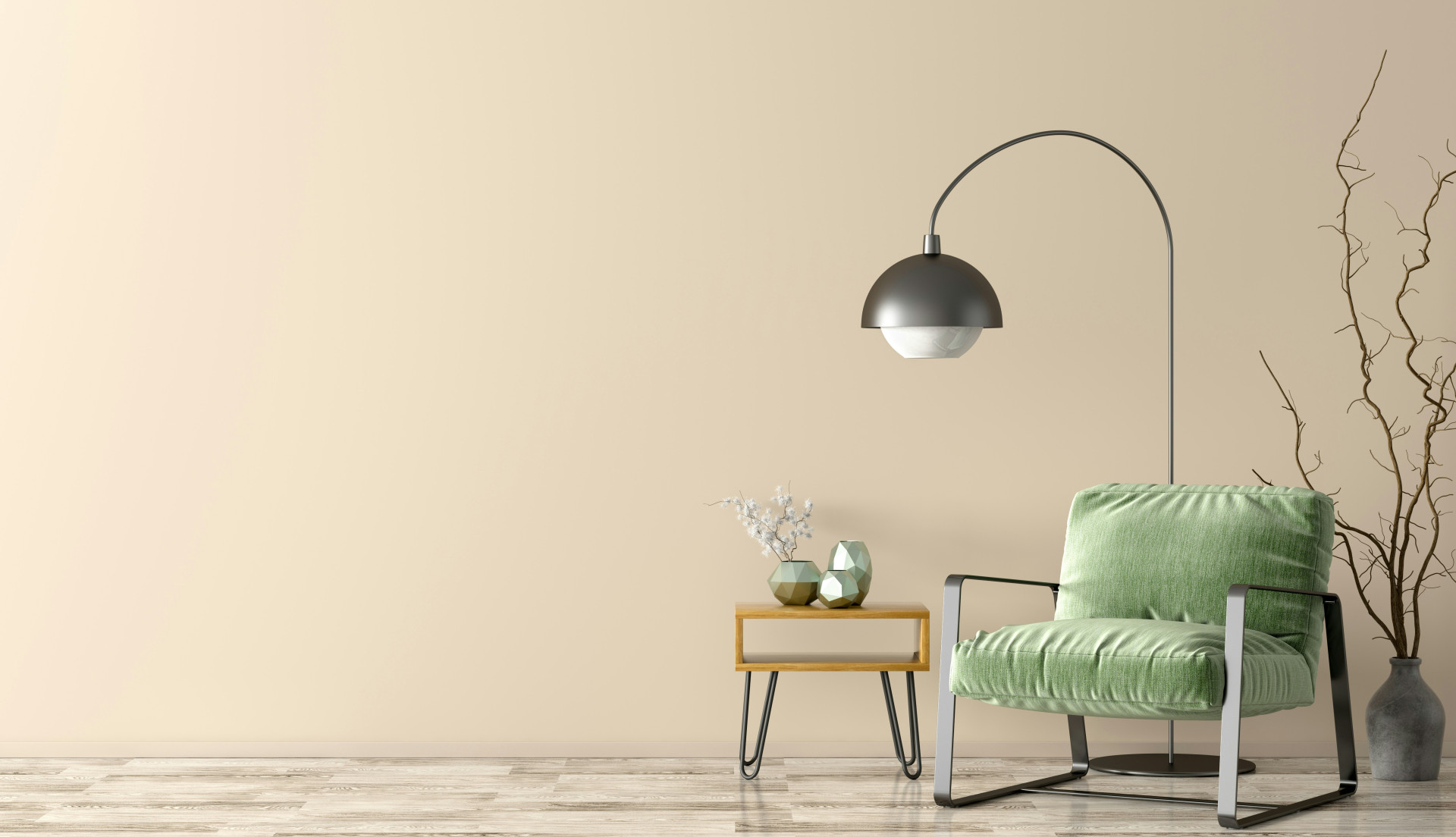
Scent and Material – Experience the Design Chair with All Your Senses
When we talk about design, most people think of shape, color, and function. But the most memorable design experiences go far beyond what we see. They engage all our senses – even those we rarely associate with furniture. A chair can be seen, touched, heard, and even smelled. In an age where design often feels digital and distant, reconnecting with the sensory qualities of materials has never been more important.
The Story Within the Material
Every design chair carries a story in its material. The scent of freshly tanned leather, the faint resin note of sanded oak, or the cool metallic trace of brushed steel – each tells something about craftsmanship, quality, and origin. When you sit down, you don’t just feel comfort; you sense the character of the material itself.
A wooden chair that smells subtly of oak and wax evokes nature and tradition. A wool or felt chair brings warmth and calm, while molded plastic feels sleek, modern, and light. Material is not just an aesthetic choice – it’s a language that speaks directly to the senses.
Scent as a Design Element
Scent is an often-overlooked dimension in furniture design, yet it plays a quiet but powerful role. A new chair may have a distinct aroma that changes over time as the material ages and adapts to its surroundings. This transformation is part of the experience – a sign that the chair is alive, evolving with its user.
Some designers intentionally work with scent as part of the overall design. They choose natural materials that release subtle aromas or avoid synthetic coatings that mask the material’s true fragrance. The goal isn’t to create perfumed furniture, but to let the authenticity of the material come through.
Craftsmanship, Sound, and Touch
When you pull a chair away from the table, you might hear a soft creak of wood or a gentle slide across the floor. That sound is part of the chair’s identity. It tells a story about how the materials interact and how the piece is constructed. Sound, like scent, is a sensory detail that often goes unnoticed but adds depth to the experience.
Touch, of course, is central. The temperature, texture, and resistance of a surface determine how the chair feels against your skin. A smooth, polished wood surface invites your hand to linger, while a rougher texture adds character and edge. It’s in the meeting between hand and material that design truly comes alive.
A Chair That Becomes an Experience
Experiencing a design chair with all your senses is about slowing down. Instead of just looking at its form, let your hands trace the surface, feel its weight, listen to the sound as you sit, and notice the scent that surrounds you. It’s a way to connect with the object – and with the thought and craftsmanship behind it.
In a world where much design is mass-produced and quickly replaced, the sensory experience reminds us why good craftsmanship still matters. A chair that speaks to all the senses becomes more than a piece of furniture – it becomes part of daily life, a place where aesthetics and experience meet.