Minimalism in Architecture – The Art of Shaping Simplicity

Minimalism in Architecture – The Art of Shaping Simplicity
Minimalism in architecture is more than a design trend—it is a philosophy that seeks clarity, calm, and purpose through deliberate restraint. In an age defined by visual noise and material abundance, minimalism offers a counterpoint: an aesthetic where every line, surface, and opening serves a reason. But how did this approach emerge, and why does it continue to resonate with architects and homeowners across the United States today?
From Modernism to Minimalism
The roots of minimalism lie in the ideals of early 20th-century modernism, when architects such as Ludwig Mies van der Rohe and Le Corbusier sought to unite form and function. Mies’ famous dictum “less is more” became a guiding principle for a new architectural language—one that stripped away ornamentation in favor of pure form and honest materials.
By the 1960s and 70s, minimalism had evolved into a distinct movement, influenced by both Western art and Japanese design traditions. The Japanese appreciation for simplicity, balance, and natural materials—seen in tea houses and Zen gardens—deeply inspired Western architects who sought to create spaces of serenity and focus. This cross-cultural exchange helped shape the minimalist architecture we recognize today.
Space, Light, and Materials
At the heart of minimalist architecture lies the interplay between space, light, and materials. Instead of relying on decoration, minimalist design allows proportion, texture, and daylight to define the atmosphere. A minimalist space may appear simple, but behind that simplicity lies a deep understanding of how people move, see, and feel within a space.
Materials are chosen for their authenticity. Concrete, wood, glass, and steel are often left in their natural state, allowing their inherent textures and tones to become part of the aesthetic. Smooth surfaces, precise joints, and muted color palettes create a sense of quiet refinement. The goal is not to create coldness, but to let the honesty of materials evoke warmth and presence.
Function as the Shaper of Form
Minimalism is grounded in the belief that form should follow function. Every element in a building must serve a purpose—and if it doesn’t, it is removed. This approach demands discipline and intention. The architect must ask: What is essential? What can be left out?
The result is architecture that appears effortless yet is meticulously considered. A window is placed not by chance, but to capture a specific quality of light. A wall is positioned not merely to divide, but to create rhythm and balance. Minimalism, therefore, is not about absence—it is about precision and meaning.
Minimalism in the American Home
In recent years, minimalism has found renewed relevance in American homes and lifestyles. As people seek refuge from the pace of modern life, the minimalist home offers a sense of calm and clarity. It is not about living with nothing, but about living with intention.
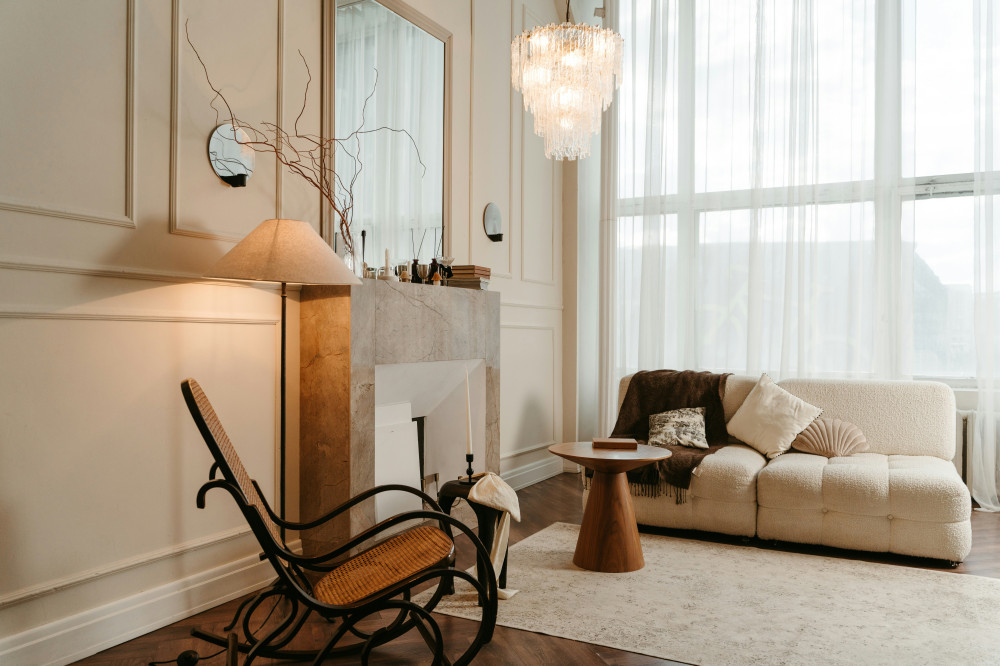
Open floor plans, large windows, and natural materials create spaces that feel airy and connected to the outdoors. The simplicity allows room for what truly matters—both physically and mentally. In this way, minimalism becomes more than an aesthetic choice; it becomes a way of living that values quality over quantity.
Critique and Balance
Critics of minimalism often argue that it can feel sterile or unattainable—that it requires resources and precision beyond the reach of everyday projects. Yet minimalism need not be a luxury. Its core idea—creating beauty through simplicity—can be applied to any scale, from small urban apartments to public buildings.
The key lies in balance. A minimalist space should not only look beautiful but also feel comfortable and human. When done well, minimalism creates a quiet harmony—a kind of architectural stillness that allows people to feel both the space and themselves.
Simplicity as a Form of Luxury
In a world saturated with information and distraction, simplicity has become a rare luxury. Minimalism reminds us that architecture does not need to shout to be heard. It can whisper—and still leave a lasting impression.
To shape simplicity is an art. It takes courage to subtract, precision to build simply, and empathy to design for human experience. But when it succeeds, the result stands as proof that less truly can be more.