Lighting a Child’s Room: How to Balance Natural Light and Lamps

Lighting a Child’s Room: How to Balance Natural Light and Lamps
Lighting in a child’s room is about much more than simply being able to see. It affects mood, sleep, focus, and even a child’s sense of comfort and security. The right lighting setup can encourage play and creativity during the day and help your child wind down at night. Here’s how to create a balanced mix of natural light and artificial lighting that supports your child’s well-being.
Make the Most of Natural Light
Daylight is the healthiest and most energizing light source for any room. It helps regulate the body’s natural sleep-wake rhythm and boosts alertness during the day. When planning your child’s room, think about how sunlight moves through the space.
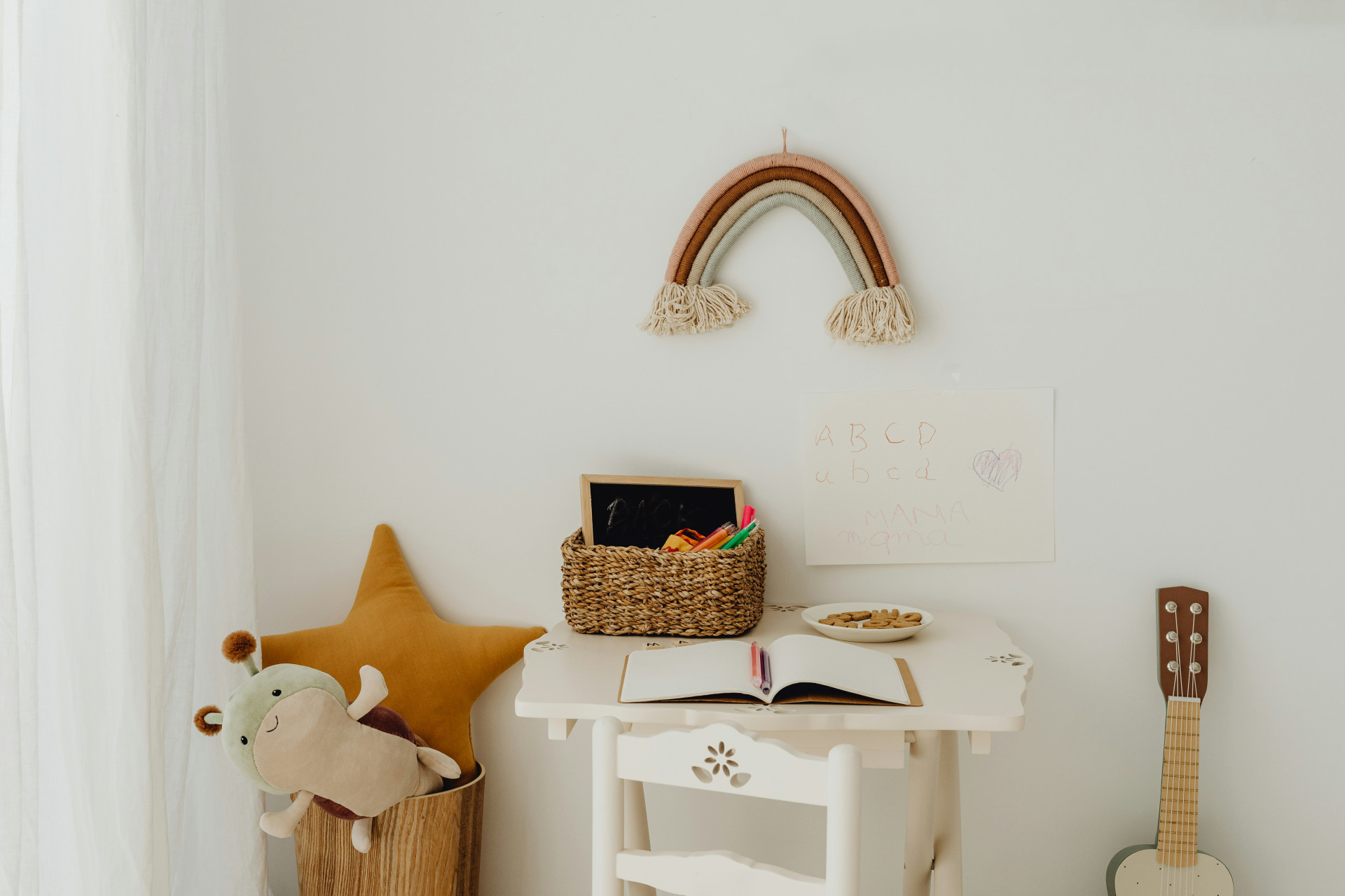
- Place the desk near a window so your child gets plenty of daylight for reading, drawing, or homework.
- Avoid glare on screens or glossy surfaces, which can cause eye strain.
- Use light-filtering curtains or blinds to soften bright sunlight without blocking it completely.
If the room faces north or doesn’t get much direct sunlight, choose light-colored walls and add mirrors to reflect and amplify the available daylight. This can make the space feel larger and more cheerful.
Create Lighting Zones for Different Activities
A child’s room serves many purposes—playroom, study area, and bedroom all in one. That’s why a single ceiling fixture rarely provides enough flexibility. Instead, think in terms of zones, each with lighting suited to its function.
- General overhead lighting provides overall brightness and makes cleanup easier. Choose a fixture that spreads light evenly and has a warm, inviting tone.
- Task lighting at the desk should be bright and focused. A flexible LED desk lamp is ideal for reading or crafts.
- Play area lighting can be softer and more diffuse, such as a floor lamp or wall sconce that creates a cozy atmosphere.
- Evening and night lighting should be dim and warm to signal that it’s time to relax. A small night-light can offer comfort without disturbing sleep.
By layering different light sources, you can easily adjust the mood and brightness throughout the day.
Choose the Right Bulbs and Color Temperatures
Light quality matters just as much as brightness. Cool white light (above 4000 Kelvin) promotes alertness and is great for daytime activities. Warm light (around 2700 Kelvin) feels soothing and is perfect for bedtime routines.
LED bulbs are a smart choice—they’re energy-efficient, stay cool to the touch, and come in a wide range of brightness levels and color tones. Consider dimmable bulbs so you can fine-tune the lighting for different times of day.
Make Lighting Part of the Decor
Lighting can be both functional and fun. Kids love lamps with personality—think shapes inspired by animals, stars, or favorite colors. These playful touches can make the room feel more personal and inviting.
You can also use light to highlight special features: a bookshelf, a piece of art, or a cozy reading nook. Small LED strips or wall-mounted lights can add a gentle glow without taking up space.
Keep Safety in Mind
Safety should always come first in a child’s room. Make sure cords and outlets are out of reach, and choose fixtures designed for children’s spaces. Avoid bulbs that get hot, and opt for integrated LED lamps that can’t be easily tampered with. Always check that lighting products meet U.S. safety standards, such as UL certification.
Support a Healthy Rhythm of Light and Dark
Good lighting isn’t just about brightness—it’s also about knowing when to dim the lights. Blackout curtains can help your child fall asleep more easily, especially during long summer evenings. In the morning, open the curtains to let in natural light and gently wake the body’s internal clock.
By aligning lighting with the natural rhythm of day and night, you help your child understand when it’s time to play and when it’s time to rest.
A Room That Grows with Your Child
Children’s needs change quickly, and their lighting should evolve too. A baby’s room benefits from soft, soothing light, while a school-age child needs brighter, more focused illumination for reading and homework. Choose adjustable fixtures and flexible setups that can adapt as your child grows.
Thoughtful lighting is more than a design detail—it’s an investment in your child’s comfort, health, and happiness in their own space.