How to Ensure Gaskets, Valves, and Joints Stay Leak-Free for Years

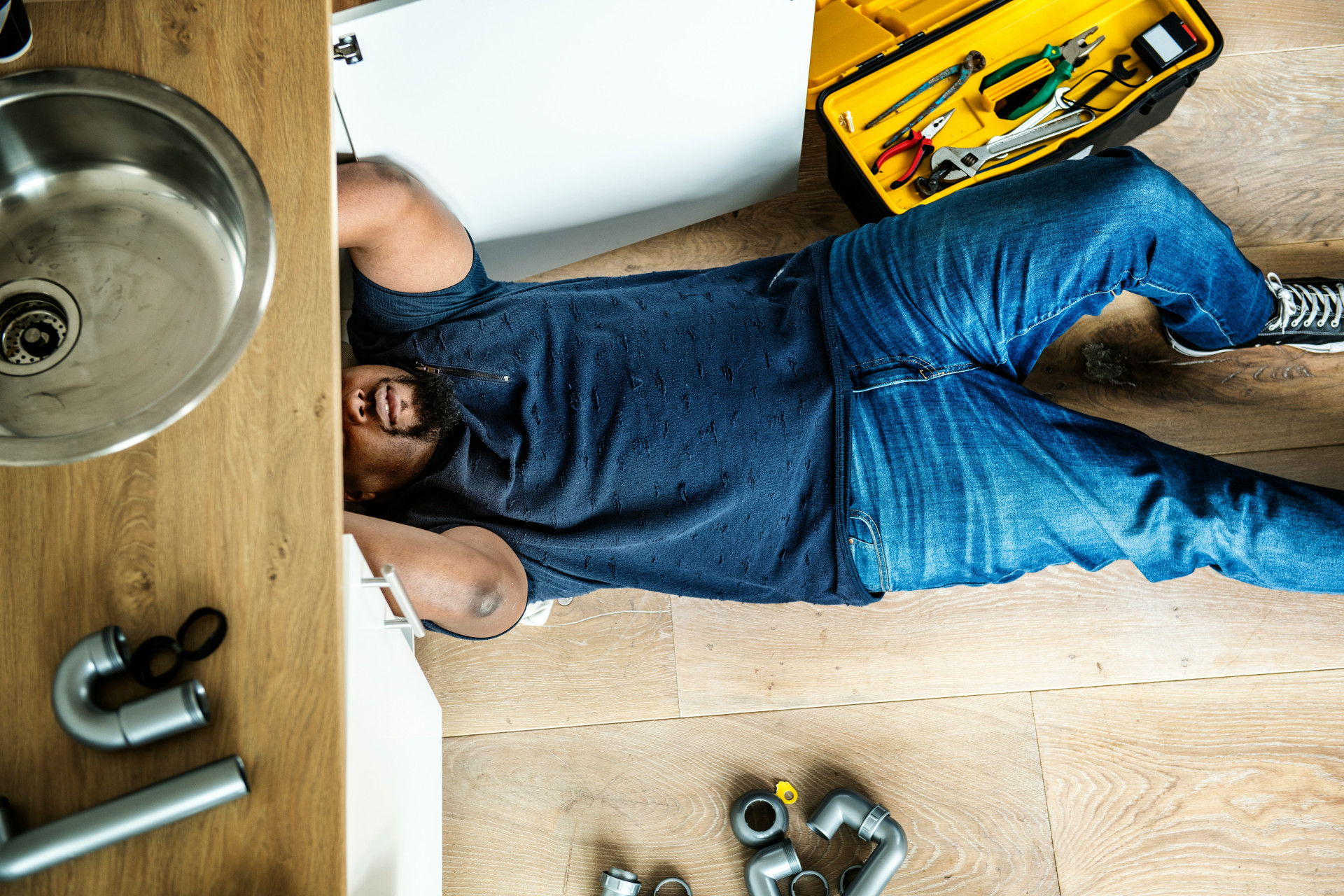
How to Ensure Gaskets, Valves, and Joints Stay Leak-Free for Years
Leaky joints and worn-out gaskets can quickly lead to wasted water, higher utility bills, and costly repairs. Fortunately, with a bit of maintenance and attention, you can extend the life of your plumbing system and keep everything running smoothly. Here’s a practical guide to help you ensure that your gaskets, valves, and joints stay leak-free for years to come.
Understand the Key Components
In any plumbing system, gaskets, valves, and joints play a crucial role in keeping water where it belongs—inside the pipes.
- Gaskets are small but essential sealing rings that prevent leaks between two surfaces, such as in faucets, valves, and pipe connections.
- Valves control the flow of water, allowing you to open, close, or adjust pressure within the system.
- Joints connect pipes and fittings, and they must withstand both pressure and temperature changes.
When any of these components fail, even a small leak can turn into a major problem. Prevention is always the best approach.
Choose the Right Materials from the Start
Long-term reliability begins with quality materials. When installing or replacing parts, choose components suited to your specific application:
- Rubber gaskets work well for cold-water systems but can harden and crack over time.
- PTFE (Teflon) or fiber gaskets handle higher temperatures and are ideal for hot-water lines.
- Brass or stainless-steel fittings last longer than cheaper zinc or plastic alternatives, especially in humid or high-pressure environments.
Spending a little more upfront on quality materials can save you significant time and money down the road.
Perform Regular Inspections and Maintenance
Even the best materials need periodic care. Make it a habit to inspect your plumbing a few times a year:
- Check for moisture or mineral buildup around joints and valves—these can be early signs of leaks.
- Operate valves occasionally to prevent them from seizing up.
- Replace gaskets if you notice drips, stiffness, or flattening.
A quick inspection can often prevent a small issue from becoming a major repair.
Avoid Over-Tightening
One of the most common mistakes in plumbing is over-tightening fittings. It might seem logical to tighten more for a better seal, but doing so can actually damage gaskets or strip threads.
Use the right tools and tighten only until you feel resistance—then give it a small additional turn. If you’re using thread seal tape or pipe dope, follow the manufacturer’s instructions carefully.
Protect Against Hard Water and Corrosion
Hard water and corrosion are two of the biggest enemies of plumbing systems. They can cause valves to stick and gaskets to lose flexibility.
- Consider installing a water softener if you live in an area with hard water.
- Wipe down exposed metal parts regularly to prevent moisture buildup.
- Use corrosion-resistant materials, especially for hot-water or outdoor installations.
These small steps can significantly extend the life of your plumbing components.
Replace Parts When Needed
Even with proper care, gaskets and valves have a limited lifespan. If you notice recurring drips or valves that are difficult to turn, replacement is often the best solution.
A new gasket costs very little but can prevent thousands of dollars in water damage. When you’re already working on the system, it’s often smart to replace multiple parts at once.
Know When to Call a Professional
While many maintenance tasks are simple enough for a homeowner, larger repairs or complex installations should be handled by a licensed plumber. They’ll ensure the work meets local building codes and is done safely and correctly.
Professional service not only gives you peace of mind but can also protect your home insurance coverage in case of water damage.
A Small Effort with Big Rewards
Keeping gaskets, valves, and joints leak-free is all about attention and routine care. With a few simple habits, you can extend the life of your plumbing system, prevent waste, and ensure everything runs efficiently for years to come.