Hot Water Circulation – Why It’s an Advantage in Large Homes

Hot Water Circulation – Why It’s an Advantage in Large Homes
In large homes, it can take quite a while for hot water to reach the faucet. That delay doesn’t just waste time—it also wastes water and energy. A practical solution to this problem is installing a hot water recirculation system. It keeps hot water moving through the pipes, so it’s ready the moment you turn on the tap. But how does it work, and why is it especially beneficial in spacious homes?
What Is a Hot Water Recirculation System?
A hot water recirculation system includes an additional pipe that returns unused hot water back to the water heater. A small pump keeps the water circulating, maintaining a consistent temperature throughout the plumbing system. This prevents the water in the pipes from cooling down when it’s not being used.
Modern systems can be controlled in several ways—using a timer, a thermostat, or even a motion sensor that activates the pump only when hot water is needed. This makes the system both convenient and energy-efficient.
Benefits for Large Homes
In smaller homes or apartments, the distance between the water heater and the faucets is short, so hot water arrives quickly. But in large homes, the pipes can stretch across long distances or multiple floors. That means you might have to let the water run for several seconds—or even minutes—before it gets hot. This is where a recirculation system makes a real difference.
- Instant access to hot water: Enjoy hot water almost immediately, no matter where you are in the house.
- Reduced water waste: Stop pouring gallons of cold water down the drain while waiting for it to warm up.
- Improved comfort: Morning showers and kitchen tasks become faster and more pleasant.
- Better hygiene: Continuous water movement helps reduce the risk of bacterial growth, such as Legionella.
For large homes with multiple bathrooms, kitchens, or laundry rooms located far from the water heater, a recirculation system can significantly improve both comfort and functionality.
Energy Use and Optimization
A recirculation system does use some energy to keep the water warm and to power the pump. However, modern technology helps minimize that consumption. Many pumps feature high-efficiency motors and smart controls that operate only when necessary.
Properly insulating your hot water pipes is another simple way to reduce heat loss and improve efficiency. Some homeowners also pair their recirculation system with solar water heating or a heat pump water heater for even greater energy savings.
Installation and Maintenance
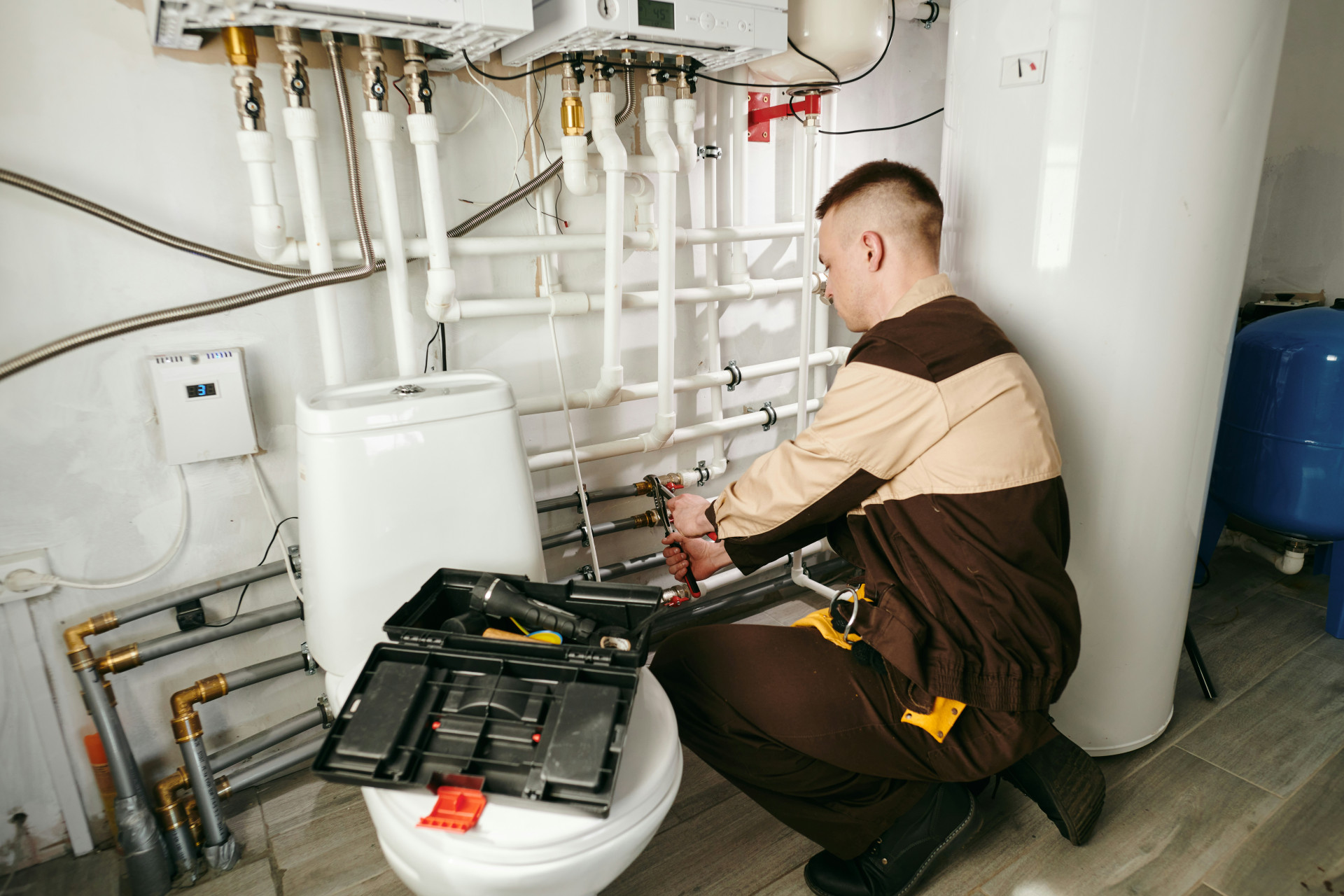
Installing a hot water recirculation system requires professional expertise, as it must be integrated into your home’s existing plumbing. A licensed plumber can determine the best route for the return line and recommend a pump that matches your home’s size and hot water demand.
Maintenance is minimal—mainly ensuring the pump runs smoothly and that the system remains free of mineral buildup or debris. A yearly inspection is usually sufficient to keep everything in good working order.
A Smart Investment in Comfort and Sustainability
While installing a recirculation system involves an upfront cost, it’s an investment that pays off in comfort, convenience, and resource savings. You’ll use less water, get hot water faster, and reduce the risk of bacterial growth in your plumbing. With the right setup and controls, you can also keep energy use low.
For large homes—especially those with multiple floors or long plumbing runs—a hot water recirculation system isn’t just a luxury. It’s a practical, sustainable upgrade that enhances both your home’s efficiency and your everyday comfort.