Design Your Hobby Room to Reflect Your Personal Style

Design Your Hobby Room to Reflect Your Personal Style
A hobby room is your personal retreat – a space where you can create, tinker, unwind, or simply enjoy your favorite pastimes. Whether you use it for painting, sewing, woodworking, music, or collecting, the room should reflect who you are. A well-designed hobby room not only makes your time there more enjoyable but also helps you stay organized and inspired. Here’s how to design a hobby room that’s both functional and uniquely yours.
Start by Defining the Room’s Purpose
Before you start rearranging furniture or hanging shelves, think about what you’ll primarily use the room for. Will it be a creative studio, a reading nook, a music space, or a mix of several activities?
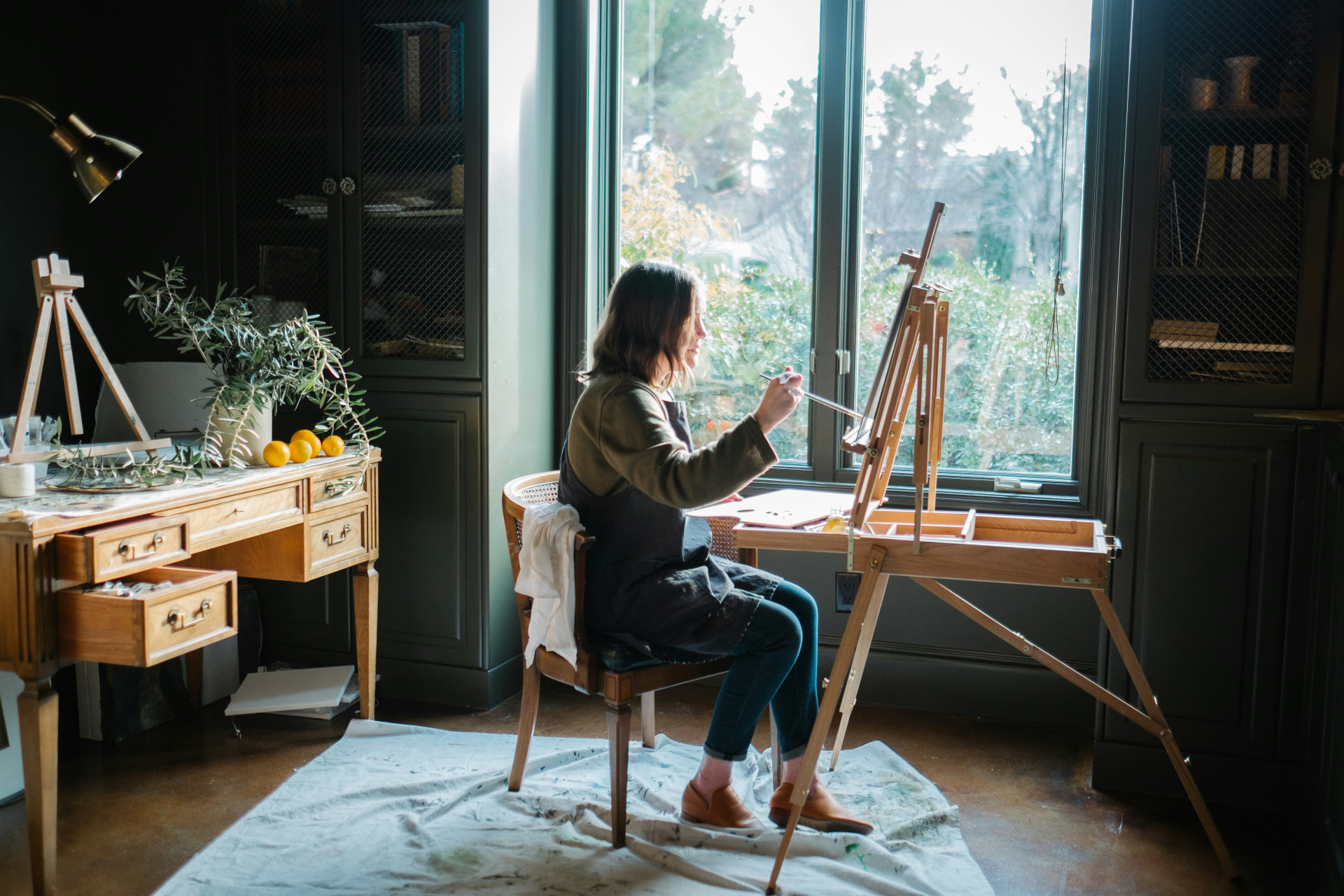
Make a list of the hobbies you want to accommodate and what each one requires. A painter needs good lighting and space for canvases, while a crafter might need plenty of storage for tools and materials. If you’re sharing the space with family members, consider dividing it into zones so everyone has their own corner.
Create a Functional Layout
A great hobby room is built around how you work. Think about ergonomics and accessibility – you should be able to reach your materials easily without constantly moving things around.
- Work surface: Choose a table that fits your activity. A sturdy workbench for crafts, a standing desk for projects that require movement, or an adjustable table if you switch between tasks.
- Storage: Use shelves, drawers, and bins to keep supplies organized. Clear containers or labeled boxes make it easy to find what you need.
- Lighting: Combine overhead lighting with focused task lights. Natural light is ideal, but a good lamp can make a big difference for evening projects.
- Seating: Invest in a comfortable, supportive chair – especially if you’ll spend hours in the room. Adjustable height and lumbar support are key.
Add Personality to the Space
Once the practical setup is in place, it’s time to make the room feel like your own. This is where your personal style can really shine.
- Color: Choose colors that inspire you. Some people prefer calm neutrals, while others thrive in bold, vibrant spaces. You might paint one accent wall or use colorful storage boxes for a playful touch.
- Decor: Hang artwork, posters, or your own creations. These personal touches give the room character and remind you why you love your hobby.
- Plants: A few green plants can bring life and freshness to the space – and even improve air quality.
- Music and atmosphere: Add a small speaker or sound system so you can listen to your favorite tunes while you work. It can make the space feel even more relaxing and enjoyable.
Think Flexibility
Your hobbies and interests may evolve over time, so it’s smart to design a room that can adapt. Use movable furniture, rolling carts, or modular shelving systems that can be rearranged as your needs change. That way, you can easily reconfigure the space without starting from scratch.
Keep It Organized – Without Losing Creativity
A hobby room should feel alive, but clutter can quickly become overwhelming. A few simple habits can help you maintain order:
- Clean up after each project so you can start fresh next time.
- Keep your most-used tools within easy reach.
- Use wall-mounted racks, pegboards, or magnetic strips for tools, brushes, or scissors – freeing up valuable workspace.
When everything has its place, it’s easier to focus on creating rather than searching for supplies.
A Space That Inspires You
Above all, your hobby room should be a place you love spending time in. It should give you energy, peace, and motivation to create. Whether you prefer a minimalist setup or a colorful, eclectic vibe, the key is that it feels right for you.
Take your time experimenting with the layout and decor, and let the space evolve with your interests. In the end, your hobby room won’t just be a place to make things – it’ll be a place where you feel truly at home.