Combine Air-Drying and Machine Drying to Extend the Life of Your Clothes

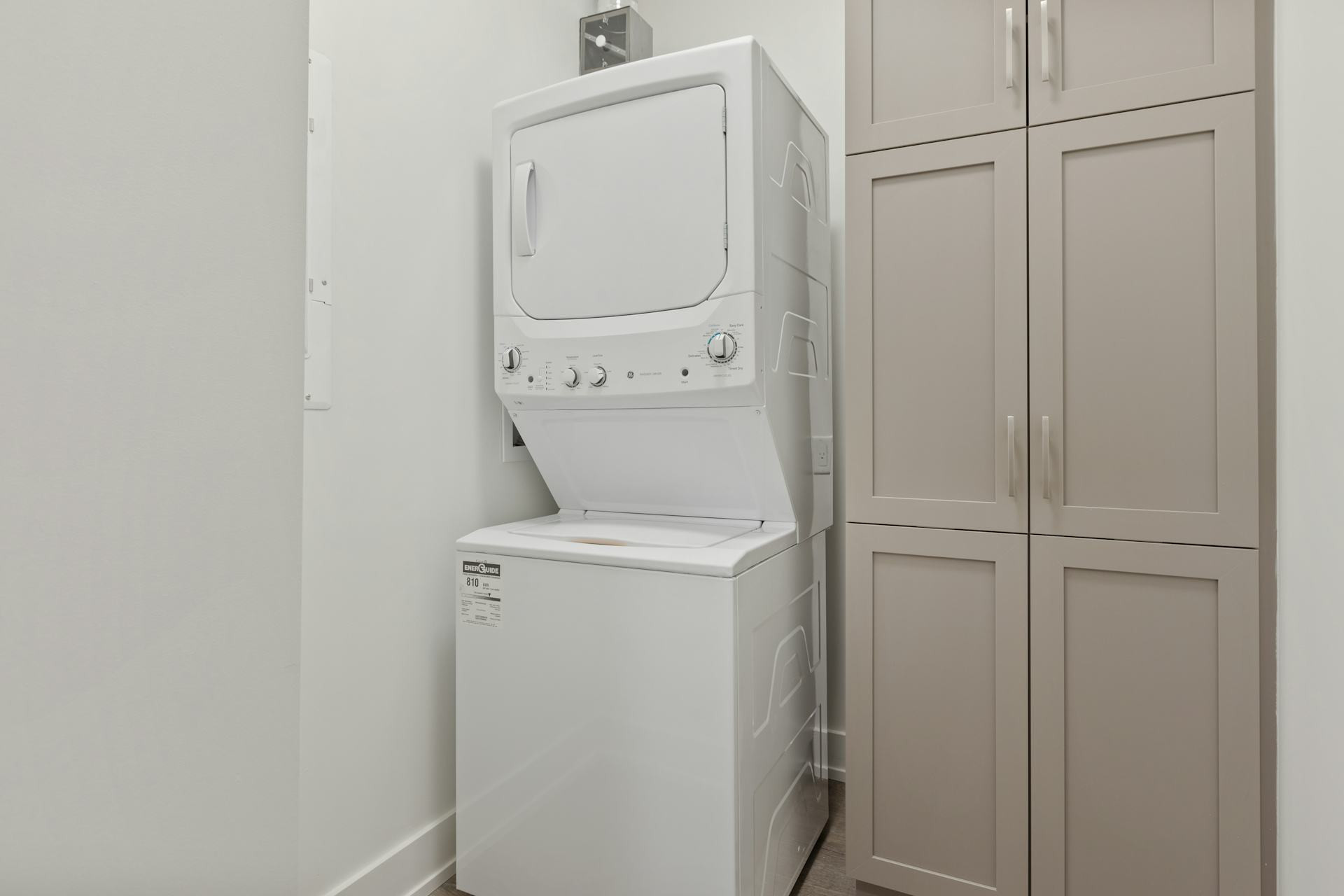
Combine Air-Drying and Machine Drying to Extend the Life of Your Clothes
Most people know the dilemma: should you toss your laundry in the dryer for convenience, or hang it up to air-dry to protect the fabric? The truth is, the best approach is often a combination of both. By using your dryer strategically and letting clothes air-dry when possible, you can save energy, preserve fabric quality, and make your clothes last longer. Here’s how to find the right balance.
Why Combining Methods Makes Sense
The dryer is a lifesaver when you need clean clothes fast or when the weather isn’t cooperating. But the heat and tumbling motion can wear down fibers over time, causing fading, shrinkage, and pilling. Air-drying, on the other hand, is gentler but can take hours—or even days—depending on humidity and temperature. It can also leave some fabrics feeling stiff.
By combining the two methods, you get the best of both worlds: the dryer removes most of the moisture quickly, and air-drying finishes the job gently. This approach reduces wear and tear on your clothes and cuts down on energy use.
How to Do It in Practice
A good rule of thumb is to use the dryer for a shorter time than usual—just long enough to get the clothes damp rather than fully dry. Then hang them up to finish drying naturally.
- Start in the dryer: Run clothes for 10–15 minutes on a low or medium heat setting. This removes excess moisture and softens the fabric.
- Finish with air-drying: Hang clothes on a drying rack or clothesline in a well-ventilated area, or outside if the weather allows.
- Shake out garments: This helps reduce wrinkles and often eliminates the need for ironing.
- Use dryer balls: They help distribute heat evenly and shorten drying time.
This method works especially well for cotton items, towels, and bedding, which can otherwise feel stiff when air-dried alone.
Choosing the Right Method for Different Fabrics
Not all fabrics respond well to the dryer—even for short cycles. Here are some general guidelines:
- Wool and silk: Always air-dry flat. Heat and tumbling can damage delicate fibers.
- Synthetics (like polyester or nylon): Can handle brief drying on low heat but should never be exposed to high temperatures.
- Cotton: Handles combined drying well, but avoid overdrying to prevent shrinkage.
- Denim: Turn jeans inside out and air-dry to preserve color. A short tumble can help soften them.
Adjusting your drying method based on fabric type helps maintain shape, color, and texture for much longer.
Energy and Environmental Benefits
The clothes dryer is one of the most energy-hungry appliances in the home. By cutting drying time in half, you can significantly reduce electricity use. That means lower utility bills and a smaller carbon footprint.
If you have space to air-dry outdoors, take advantage of it. Sunlight naturally helps kill bacteria, and fresh air gives clothes a clean scent—no fabric softener required. Even indoor drying racks near a window or fan can make a big difference.
Good Habits That Help Clothes Last Longer
Beyond combining drying methods, a few simple habits can extend the life of your wardrobe:
- Wash in cold or warm water instead of hot—it’s gentler on fibers.
- Use mild detergent and avoid overusing fabric softener.
- Shake out clothes before hanging to help them dry evenly.
- Clean your dryer’s lint filter regularly to improve efficiency and prevent overheating.
Small changes in your laundry routine can have a big impact on both your clothes and the environment.
A Smarter Way to Dry
Combining air-drying and machine drying isn’t about choosing between convenience and care—it’s about finding balance. With a little planning, you can enjoy soft, fresh-smelling clothes that last longer while saving energy and money. It’s a simple adjustment that benefits your wardrobe, your wallet, and the planet.